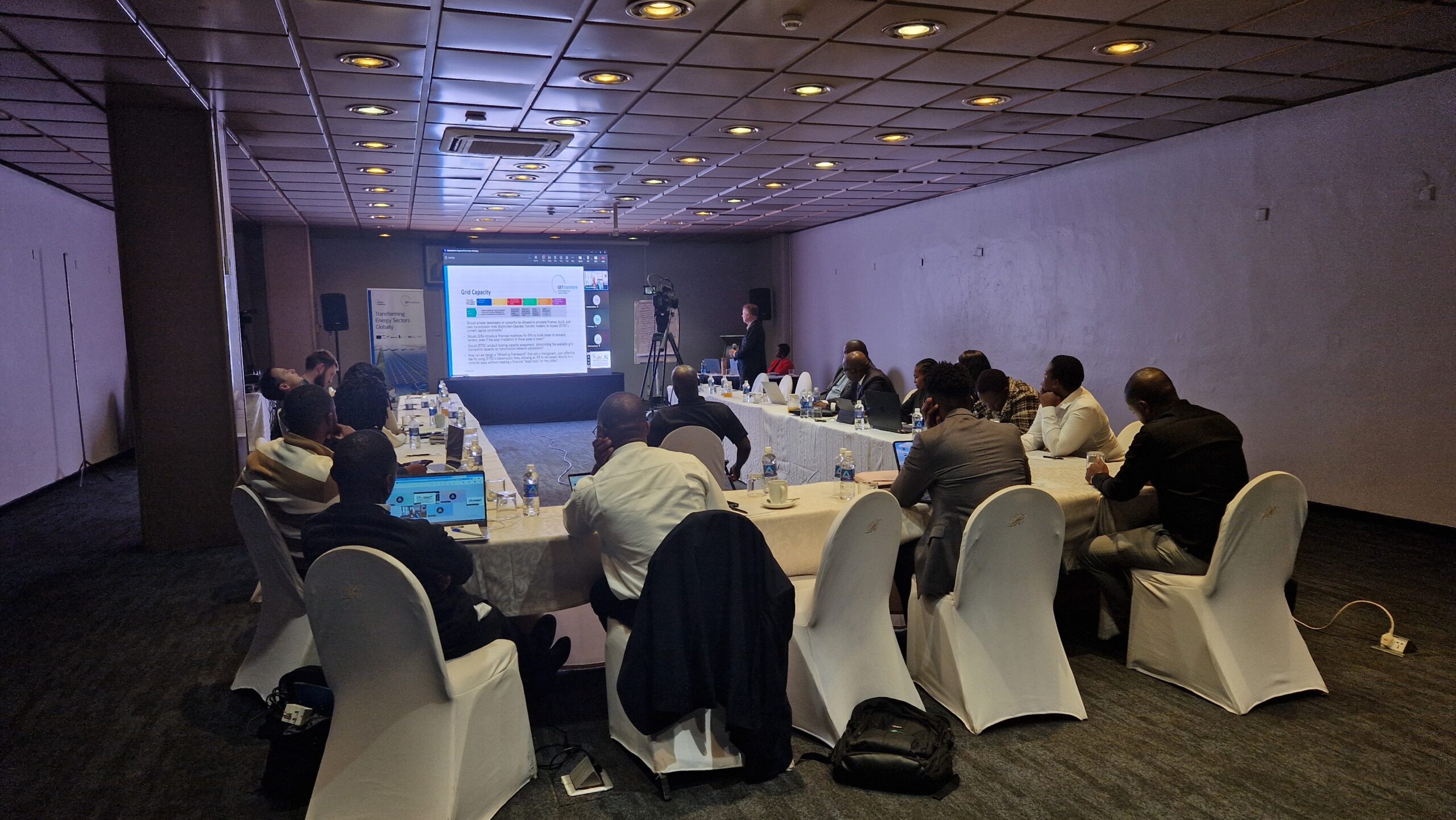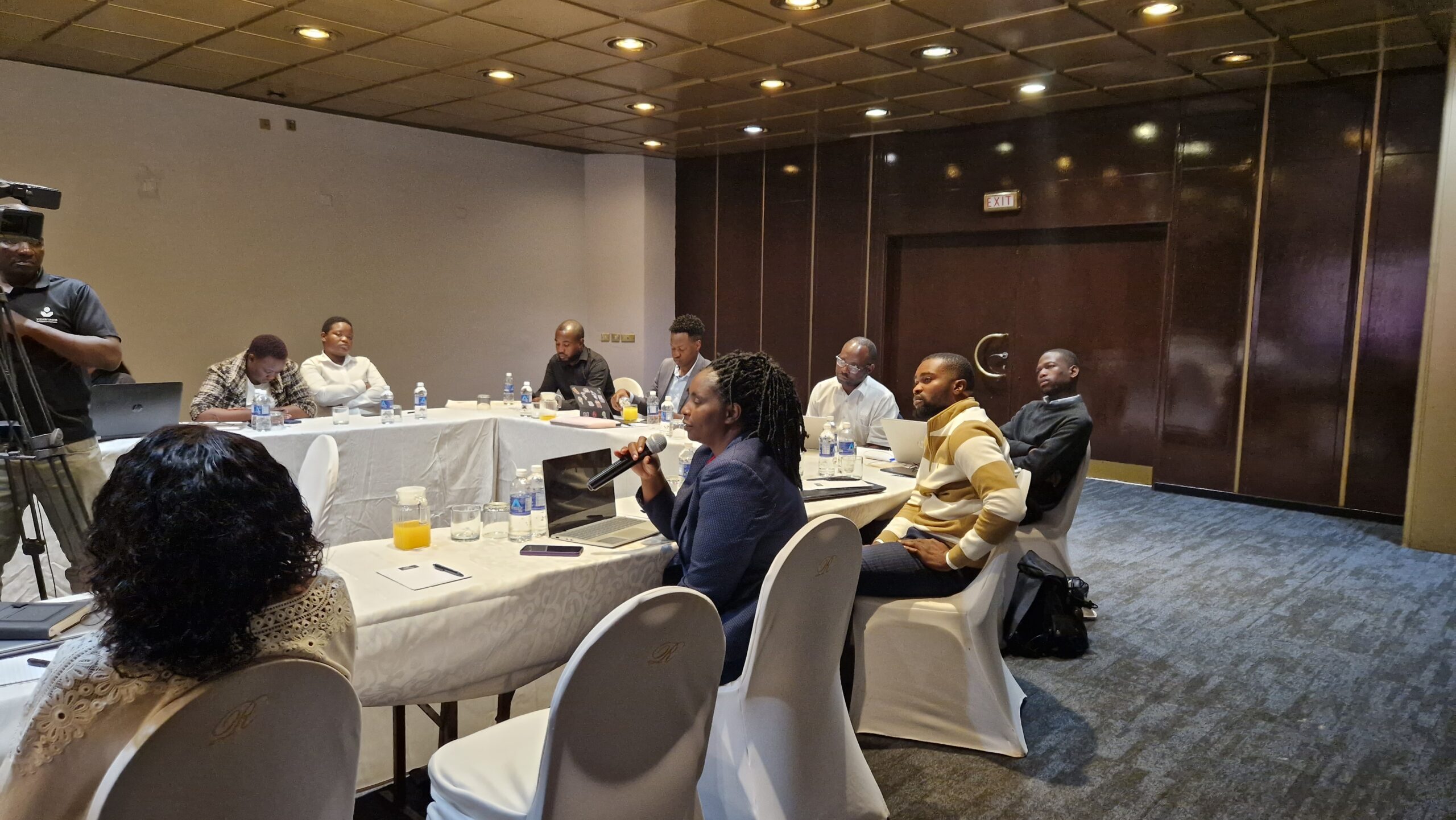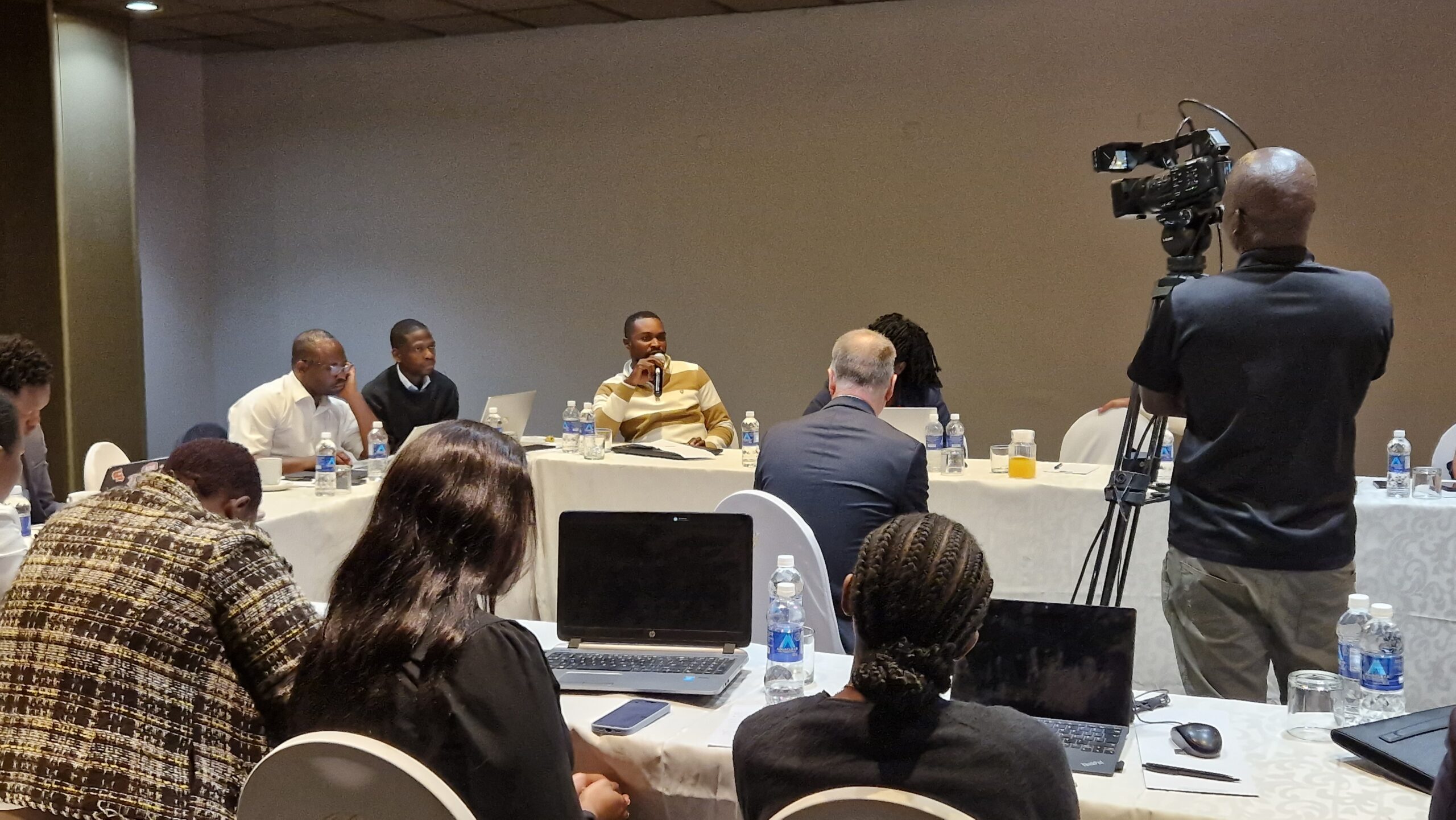

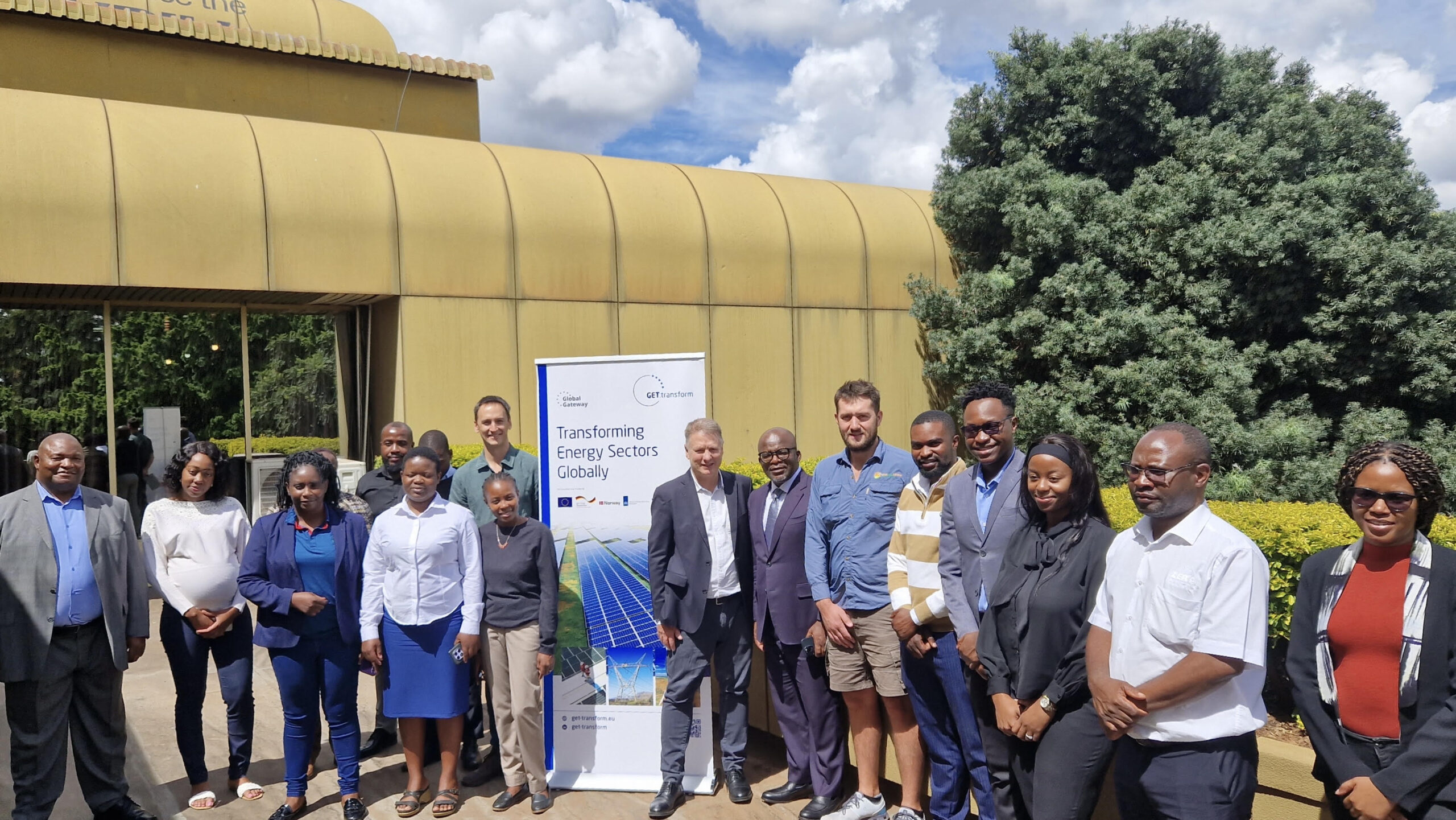
Mid-April, a Wind and Solar Integration Dissemination Workshop convened key stakeholders from across Zimbabwe’s energy sector in Harare. Twenty–three participants from public institutions, utilities, private sector actors, and industry associations joined to strengthen capacity on variable renewable energy (vRE) integration and align on sector priorities.
The session formed part of ongoing work to facilitate the speedy adoption of renewable energy in the country, including a knowledge exchange held in Berlin last year to support practical application in the Zimbabwean context.
Participants represented a broad range of institutions, including the Zimbabwe Electricity Transmission and Distribution Company (ZETDC), Zimbabwe Energy Regulatory Authority (ZERA), Ministry of Energy and Power Development, Renewable Energy Association of Zimbabwe (REAZ), Zimbabwe Independent Power Producer Association (ZIPPA), as well as private sector representatives, such as Nyangani Renewable Energy (NRE), Tatanga Energy, Old Mutual, and Solar Agro Systems (SAS).
The workshop covered a vRE tutorial, country-specific observations and plenary sessions. Technical inputs from Energynautics enhanced expertise on system integration and operational considerations.
Several important insights emerged from the exchange. With 800 MW of grid ready renewable energy capacity already in place, Zimbabwe has a solid foundation to build on as it works toward the ambitious goals set out in the National Energy Compact. The target of adding 5,432 MW by 2030 reflects strong political commitment to the transition, and the 9 billion USD investment requirement (approximately 4.42 billion expected from private sector signals a substantial and growing opportunity for investors and development partners to get behind.
A recurring theme throughout the workshop was regional cooperation as a critical enabler. Participants referred to the Southern African Power Pool as a major platform to promote transmission infrastructure, storage solutions, and market rules.
The workshop concluded with a shared understanding of key sector gaps and opportunities, as well as agreement on priority areas for technical support. As a next step, GET.transform intends to support sector efforts to strengthen grid stability, contributing to a more reliable and sustainable power supply for both industry and households in Zimbabwe.