


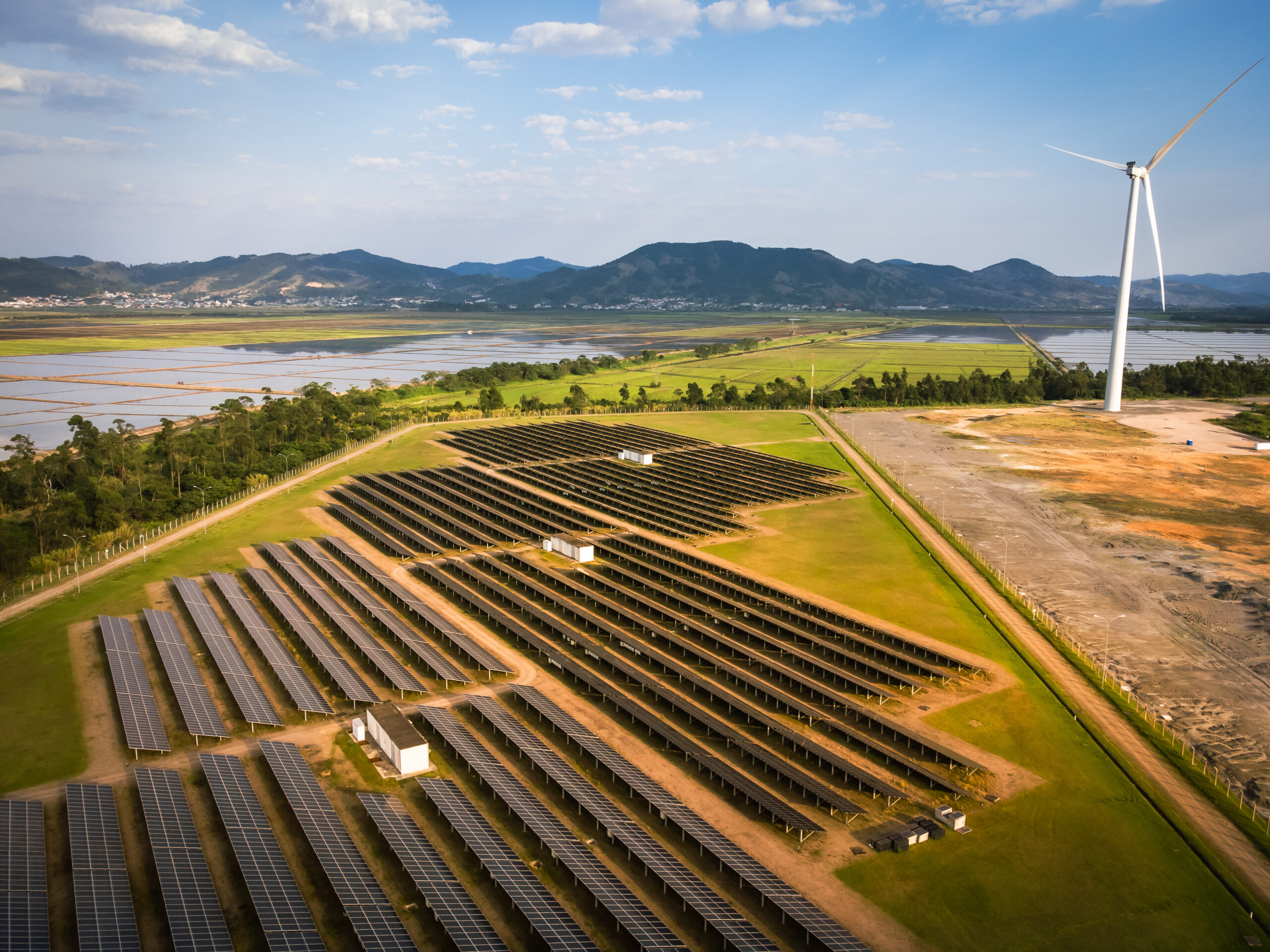
As extreme weather intensifies and energy demand rises worldwide, one thing is clear: the success of the global energy transition will not be determined by state or region alone. A particularly decisive role in shaping the planet’s energy future falls to emerging and developing economies who contribute fast-expanding infrastructure needs and abundant natural renewable energy resources. In many of these regions, renewable power has already become the most cost-effective choice. The potential for solar and wind energy is enormous. Yet, without targeted investment, robust financing models and long-term policy support, that potential risks being left untapped.
In an article with Stiftung Energie & Klimaschutz, Benjamin Schober, Head of Advisory Services at GET.transform, explores why international cooperation is not merely an act of global solidarity, but a strategic investment in our shared future. By supporting clean-energy initiatives abroad, Europe strengthens climate resilience, enhances geopolitical stability and creates valuable opportunities for innovation and green-tech industries at home.
The piece highlights how programmes like GET.pro, through dedicated instruments like GET.invest and GET.transform, help remove barriers to renewable deployment – bridging gaps in expertise, regulation and access to capital. These partnerships can spark transformation at scale, empowering nations to leapfrog outdated fossil-fuel systems entirely.
A global energy transition will only succeed if it is truly global – and that means inclusive, collaborative and designed to ensure every region can thrive in a carbon-neutral world.
Delve into the full article (in German): energie-klimaschutz.de