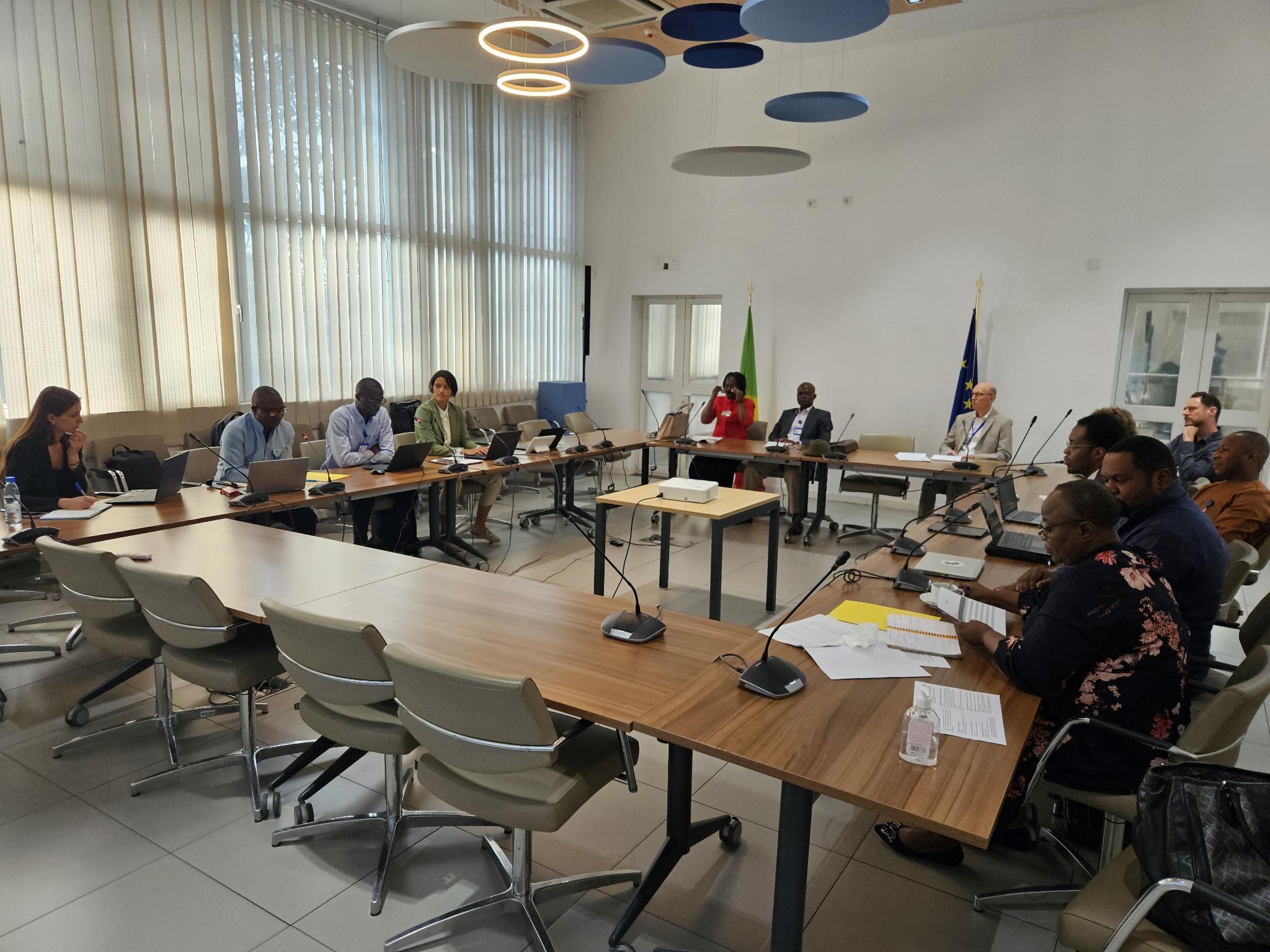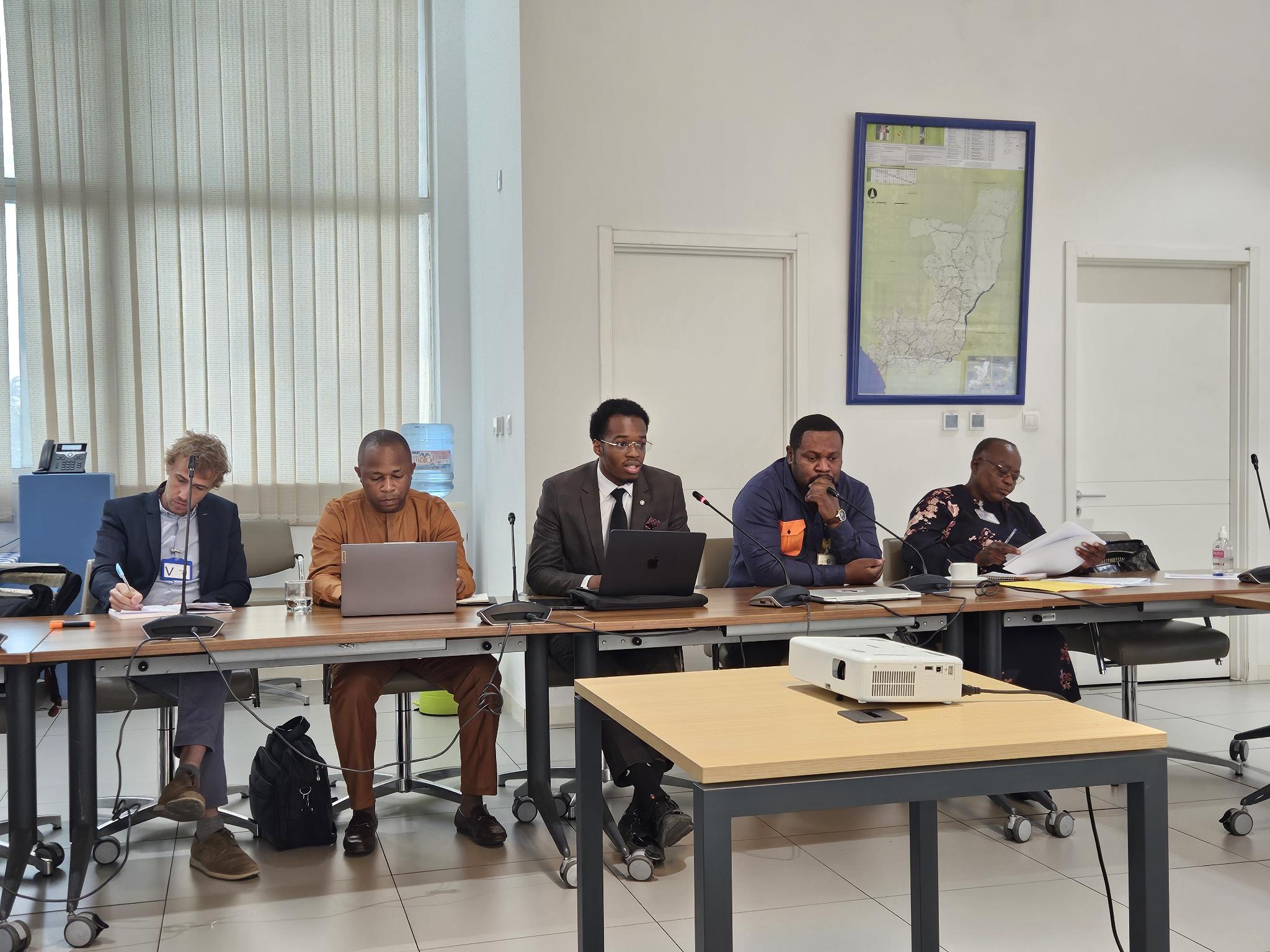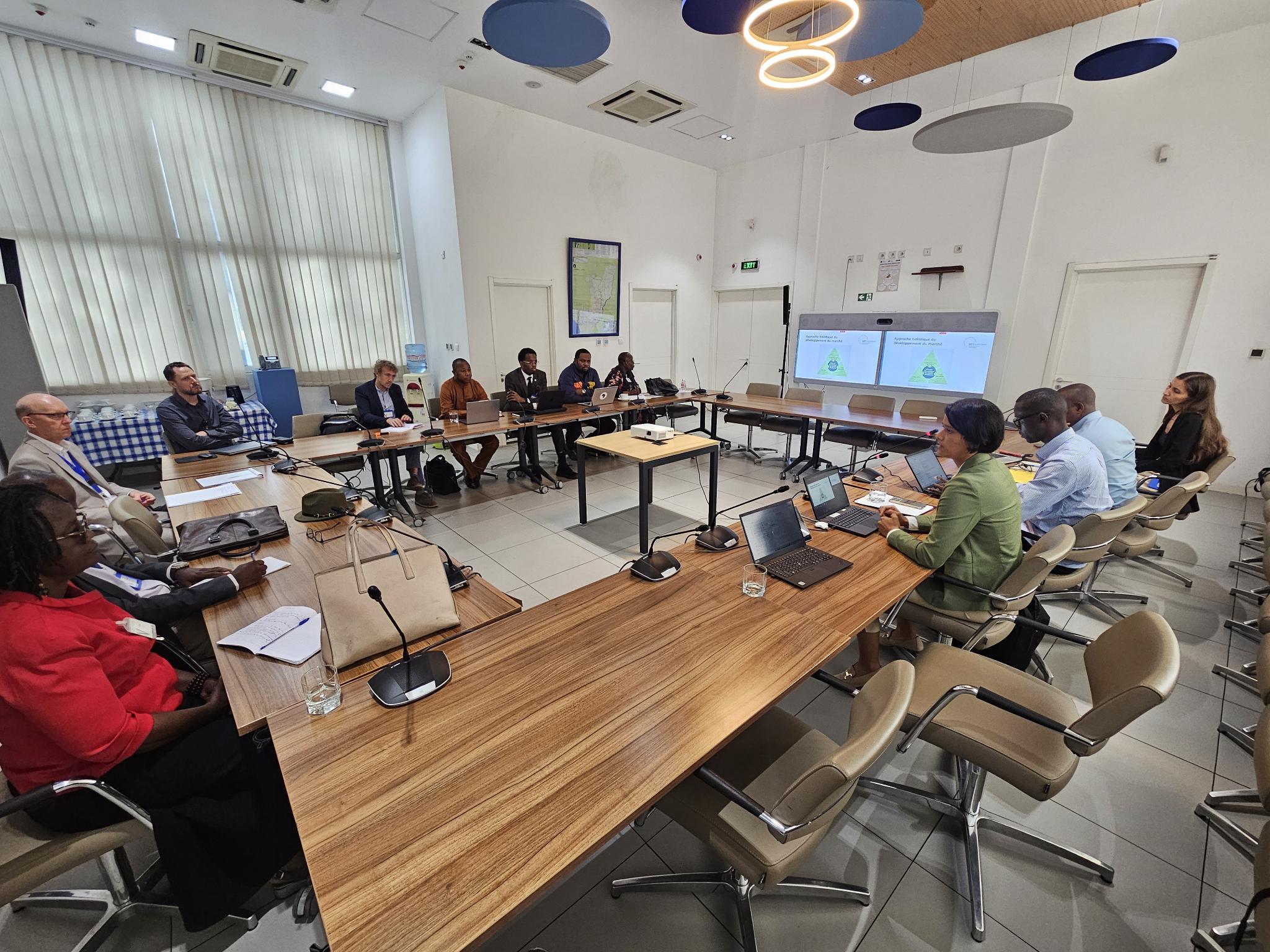
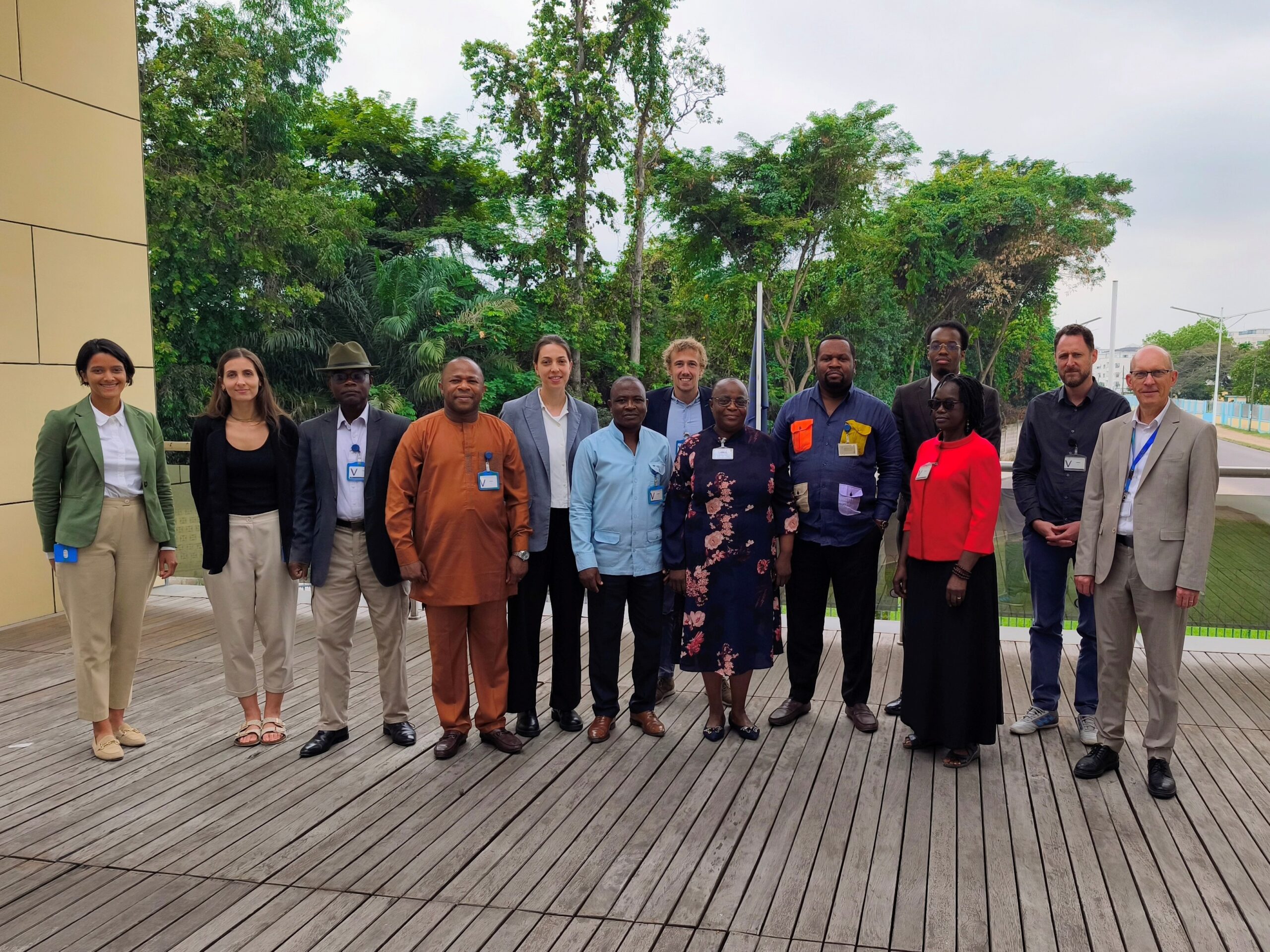
On 28 May 2026, a multi-stakeholder workshop on clean cooking brought together 15 representatives from across the Republic of Congo’s energy ecosystem, spanning government ministries, private sector actors, financial institutions, and development partners, to strengthen coordination and jointly identify strategic priorities for the sector’s development.
The workshop was facilitated by GET.transform in collaboration with Energising Development (EnDev) and supported by the European Union as part of its ongoing engagement in the Republic of the Congo’s energy sector under the EU Global Gateway Initiative.
The room reflected the breadth of the sector itself. Participants included members from the Ministry of Energy and Hydraulics, the Ministry of Environment, the Congo Basin and Sustainable Development, the Ministry of Forestry Economy, , alongside ACONOQ — the National Quality and Standards Authority. The private sector was equally present, with producers of improved cookstoves, microfinance institutions, carbon finance and carbon credit market actors, technical and financial partners, and NGOs active in the field all contributing to the conversation.
Discussions moved across the full spectrum of the sector’s challenges and opportunities: current interventions and initiatives, regulatory and institutional frameworks, market development for improved cookstoves, and access to finance, including microfinance and carbon finance mechanisms. Participants also examined the specific barriers to scaling clean cooking solutions in the Republic of Congo and explored how better stakeholder coordination and priority alignment could help overcome them.
The conversations surfaced a clear and consistent message: the path forward depends on greater institutional coherence. Participants reached consensus on the critical importance of harmonised standards and regulatory frameworks and identified concrete gaps in both market development and financing mechanisms that will need to be addressed.
Those takeaways now feed directly into the next phase of action. GET.transform will move forward with two concrete activities in the clean cooking sector: the development of a regulatory framework and certification systems for clean cooking technologies, and support for the formulation of a National Clean Cooking Strategy alongside the design of effective financing mechanisms, turning the workshop’s collective ambition into structured, on-the-ground progress.