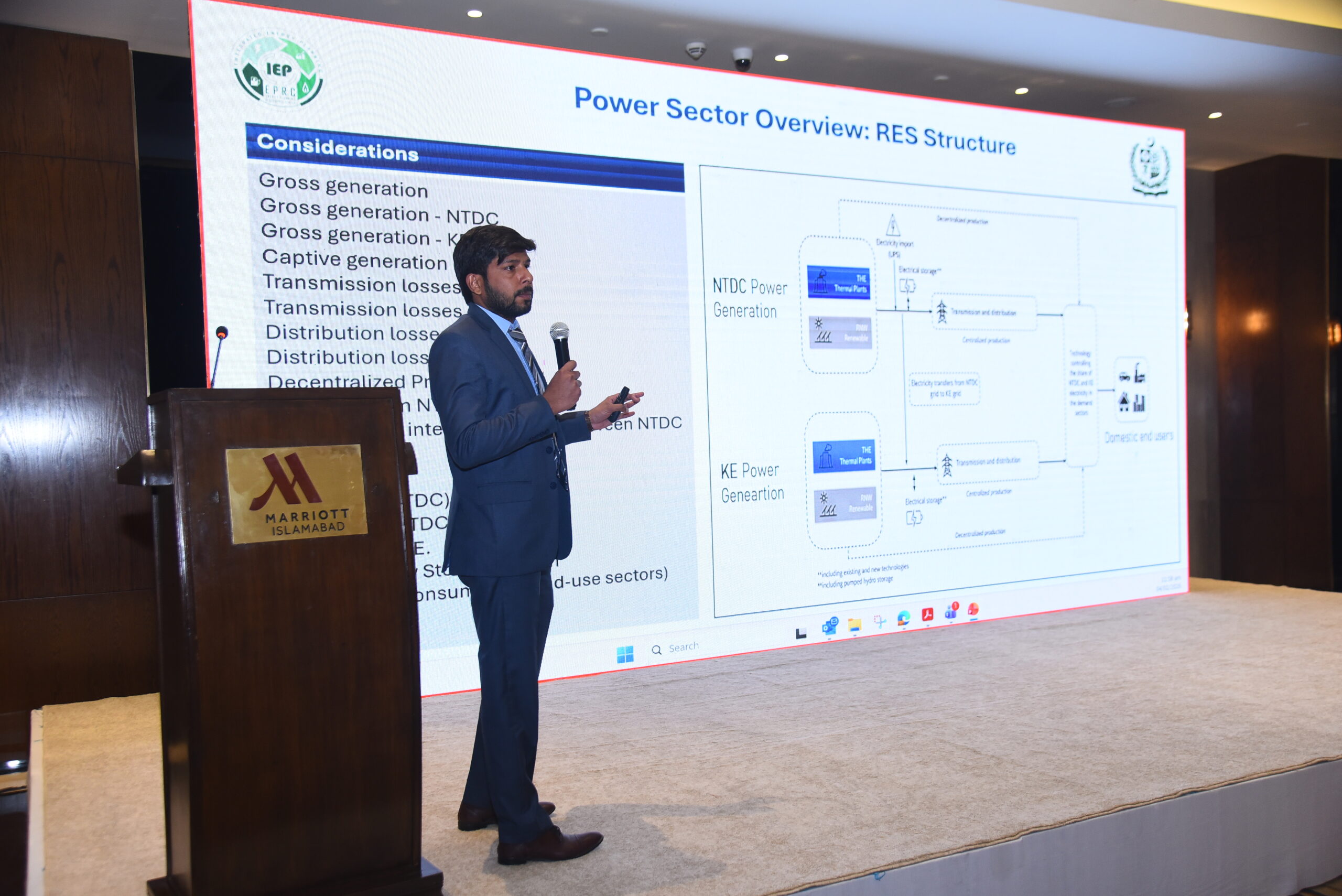
Planning an energy system without integration is akin to assembling a puzzle without a shared picture: different components are developed independently, without a clear understanding of how they fit together. This often reinforces inefficiencies, higher costs, and system imbalances. In Pakistan, this challenge is particularly relevant given a set of structural pressures, including rapid population growth, rising energy demand, ageing infrastructure, volatile fuel import costs, and increasing pressure to reduce carbon emissions. Through its Leveraged Partnerships, GET.transform is supporting GIZ Pakistan in addressing these challenges by promoting integrated, system-wide energy planning.
Specifically, GIZ Pakistan, together with E4SMA, is working alongside the Government of Pakistan under the GET.transform Leveraged Partnerships, on behalf of BMZ, to develop a comprehensive integrated energy model. The model is built on the internationally established TIMES (The Integrated MARKAL-EFOM System) framework, widely used by governments and research institutions for long-term energy system analysis.
The TIMES framework processes a wide range of input data, including fuel prices, available technologies, and climate and policy targets, to identify cost-optimal pathways for energy system development.
At the heart of the initiative sits integrated energy planning, which links demand, supply, technology choices, and policy objectives within a single analytical framework, enabling a system-wide perspective that captures interactions across sectors over a long-term horizon. This approach is essential given the interconnected nature of energy decisions: expanding electric mobility affects electricity demand, reducing reliance on imported fuels influences generation and financing structures, and industrial development reshapes grid demand patterns. By capturing these links, the model enables decision-makers to assess trade-offs and anticipate system-wide impacts before decisions are locked in.
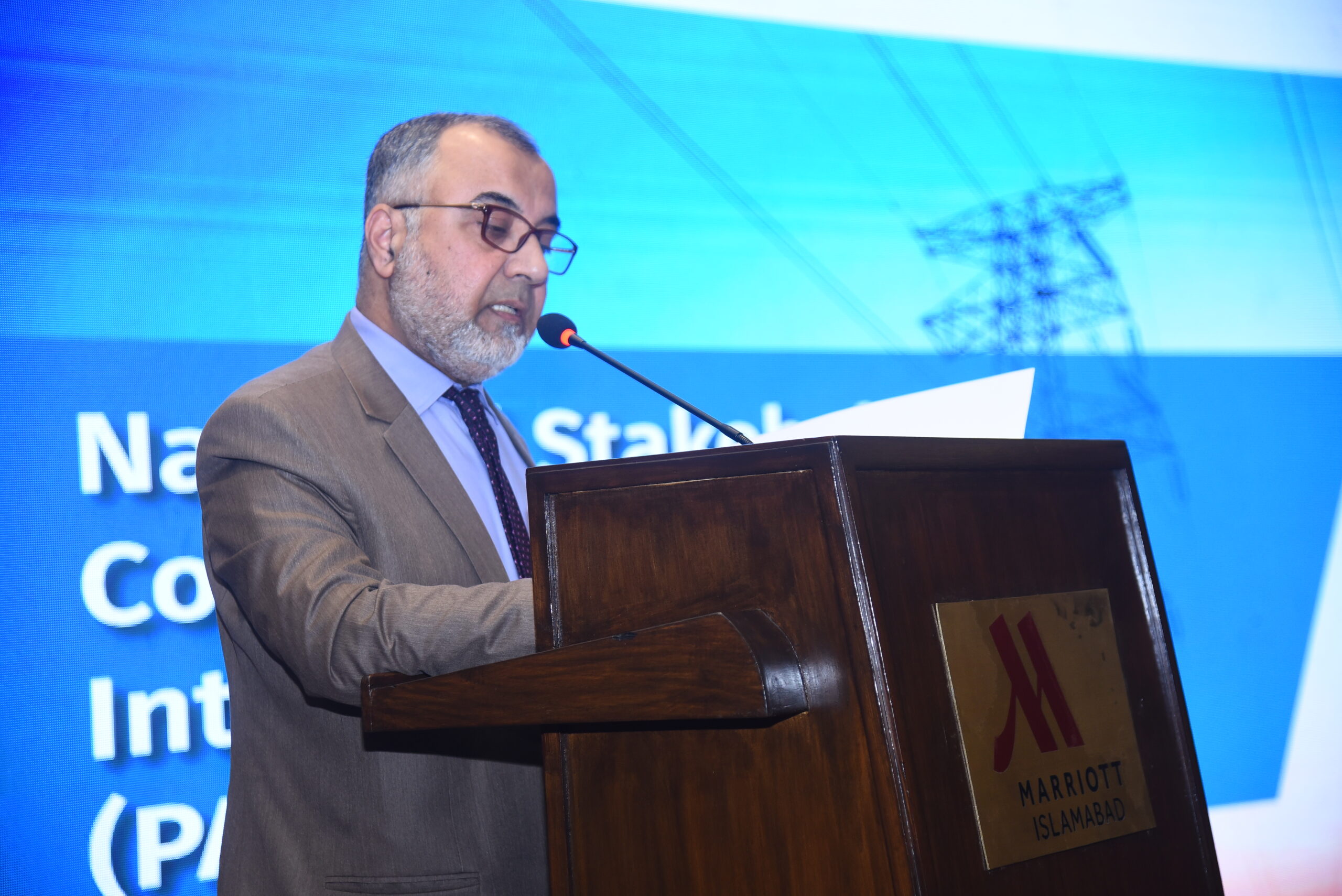
The Pakistan Integrated Energy Model (PAK-IEM 2.0), developed under this initiative, builds on the TIMES framework and covers all major demand and supply sectors of the country’s energy system. It enables comparison of alternative development pathways, assessing trade-offs across system costs, energy security, and greenhouse gas emissions. Two scenarios have already been developed: a least-cost baseline reflecting current policies, and a net-zero pathway targeting zero emissions from the energy sector by 2050.
The expected impact extends beyond the planning process itself. More robust, evidence-based decisions can improve the reliability and affordability of electricity supply for households and businesses. A clearer and more coherent transition pathway also enables Pakistan to pursue cleaner energy options with greater confidence, reducing reliance on costly fuel imports and supporting emissions reductions. Strengthened coordination across institutions further reduces the risk of misalignment between policies, investments, and infrastructure development.