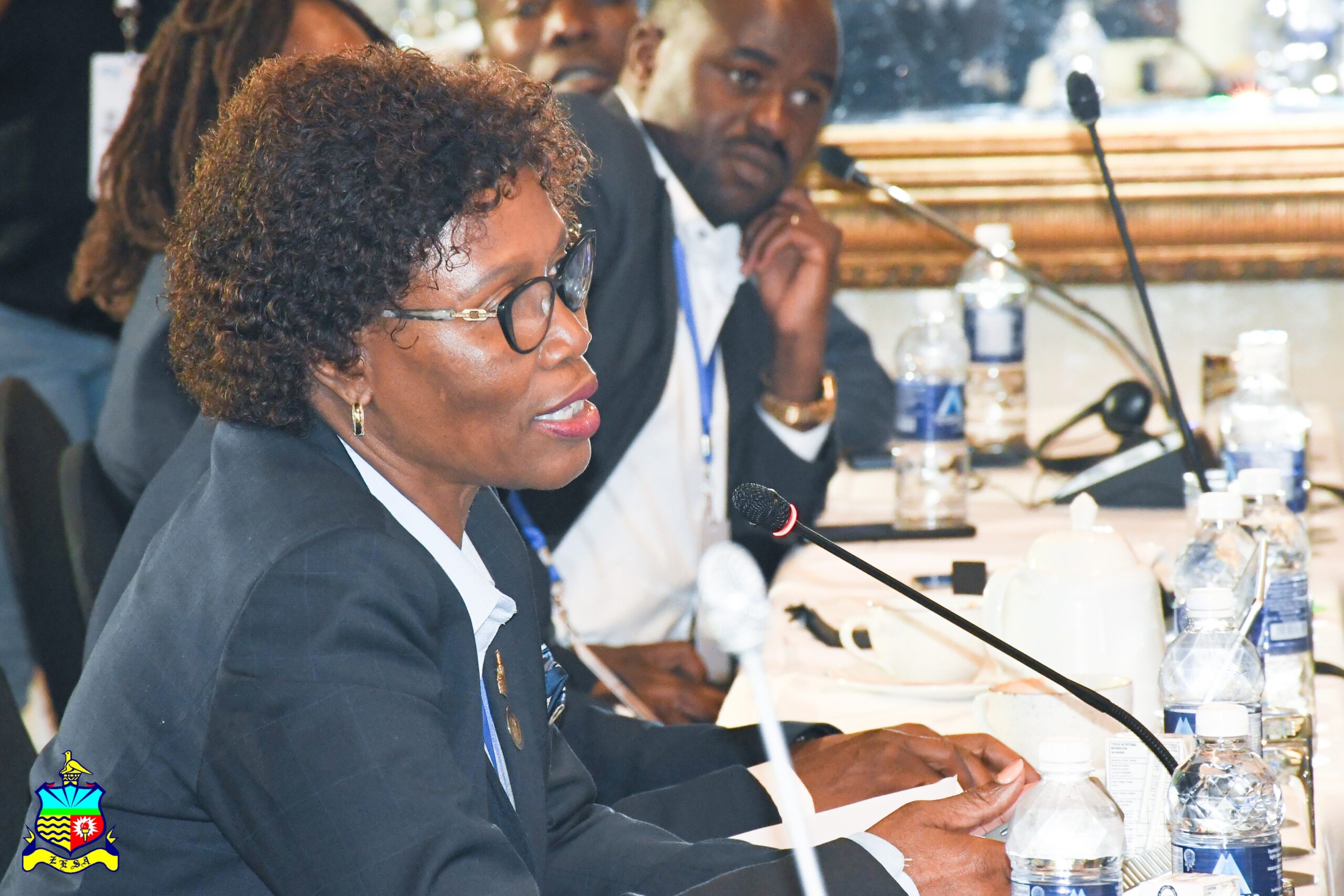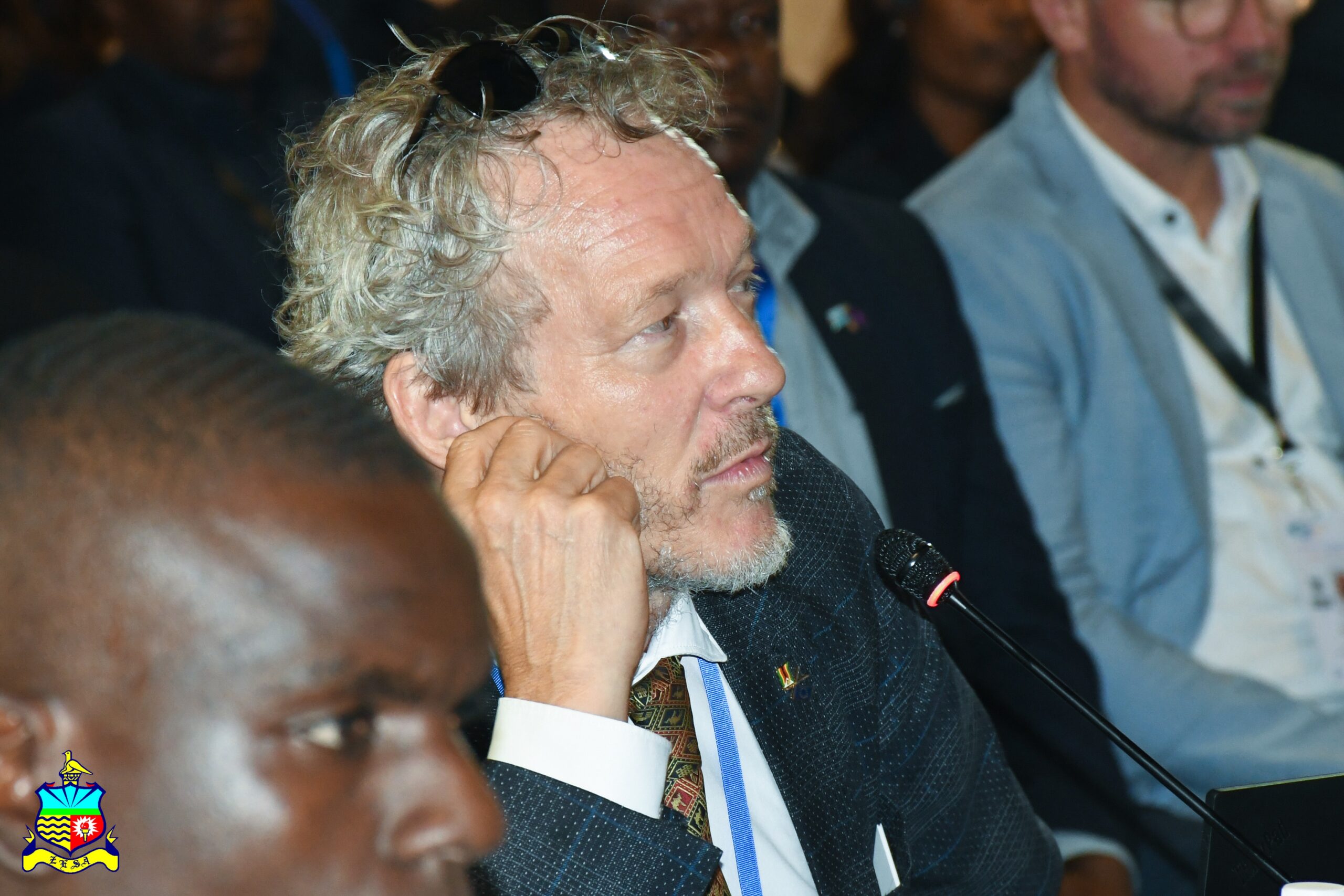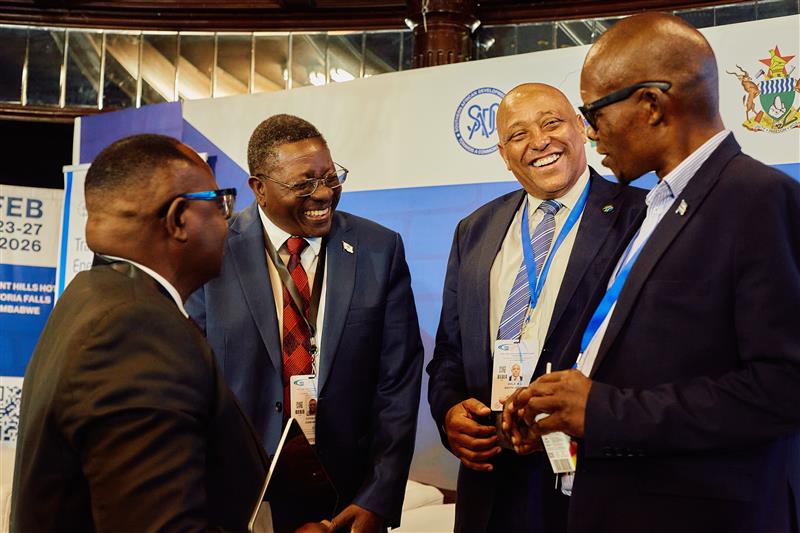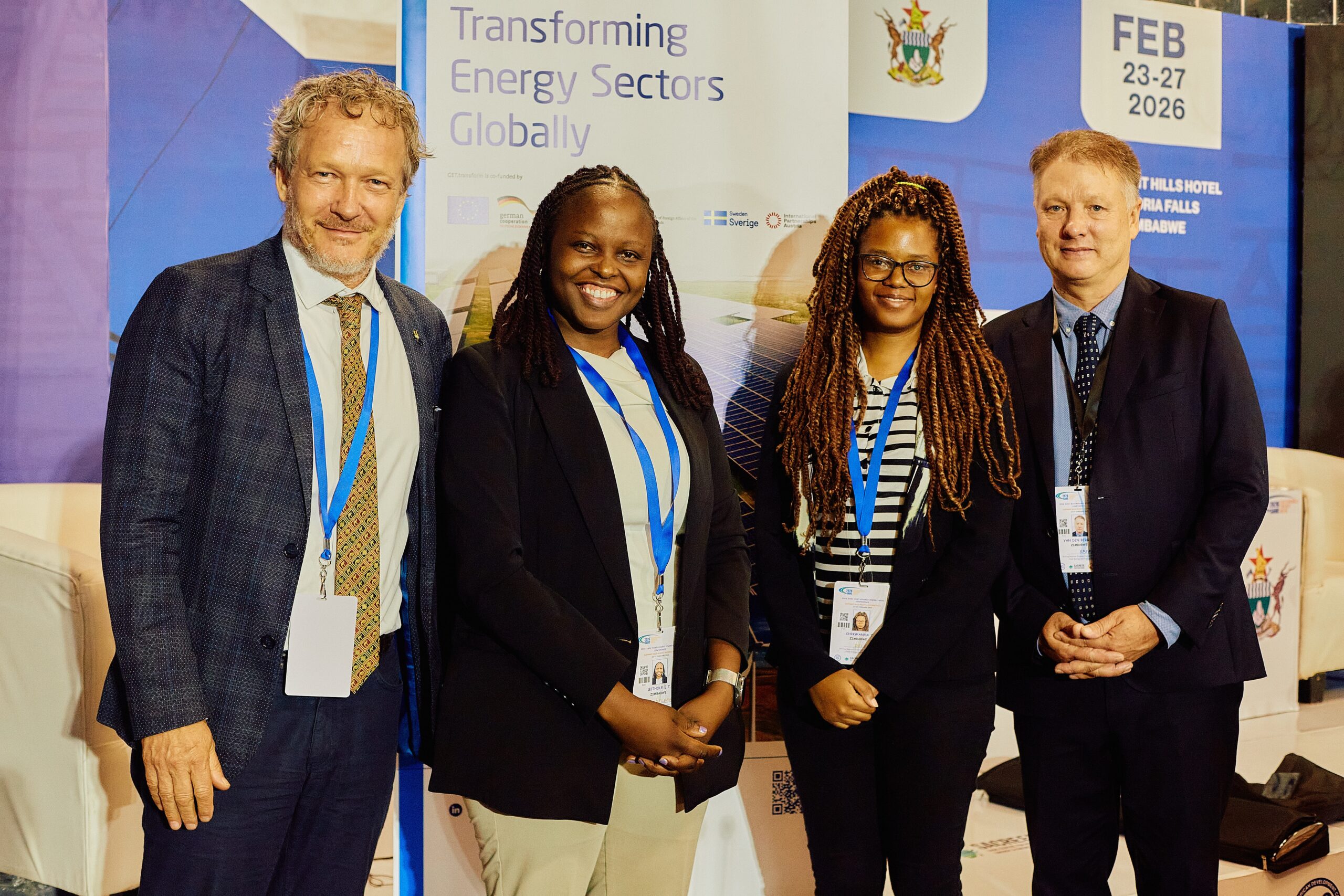

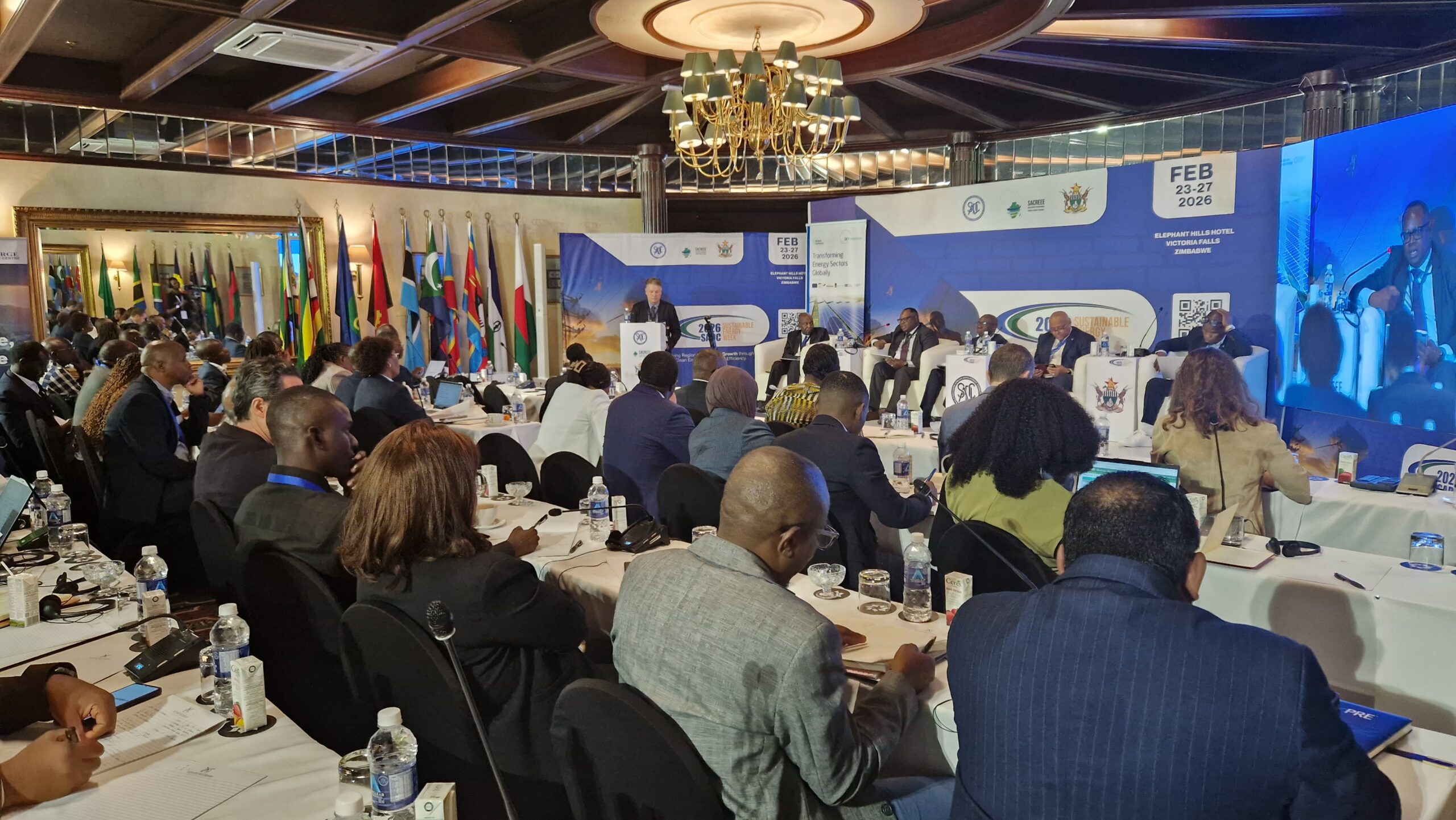
The theme “Driving Regional Economic Growth through Clean Energy and Energy Efficiency” saw energy leaders, policymakers, and technical experts convene in Victoria Falls, Zimbabwe, from 23–27 February 2026 for the SADC Sustainable Energy Week. The Southern African Power Pool (SAPP), and GET.transform co-hosted a high-level breakout session that explored regional cooperation in an era of increased renewables.
Moderated by Johan van den Berg, Country Window Coordinator Zimbabwe for GET.transform, the panel examined how regional integration and competitive power markets can provide a reliable long-term solution for energy security in Southern Africa. Opening the discussion, SAPP Coordination Centre Executive Director Stephen Dihwa underscored that regional energy interdependence remains a key driver for expanding electricity access, enhancing system resilience, and supporting the large-scale integration of renewable energy.
A central theme of the dialogue was the balance between national energy sovereignty and regional trade. Zimbabwe’s Permanent Secretary for Energy and Power Development, Dr Gloria Magombo, reflected on the strategic tension facing countries in the region. While prioritising domestic generation can provide political assurance, it may also result in higher system costs and underutilised assets. She added that excessive reliance on imports can optimise costs in the short term but expose countries to geopolitical or supply risks. Therefore, a balance is needed.
Panellists from South Africa, Botswana, Zimbabwe, and regional institutions emphasised that regional integration develops in parallel to the strengthening of domestic electricity systems. Effective participation in the SAPP requires parallel investments in internal generation security, regulatory coherence, and financial sustainability.
Ene Macharm, Head of Global Partnerships at GET.transform, highlighted that successful regional market integration must be underpinned by robust planning frameworks, transparent rules, and strong institutional coordination. She stressed the critical role of technical assistance in supporting countries to align domestic reforms with regional market participation, ensuring that renewable integration strengthens rather than destabilises national power systems.
She particularly pointed out that the regional power market has twelve participants, thus avoiding any vulnerabilities that could arise from bilateral inter-dependance. The EU Delegation to Zimbabwe’s Head of Agriculture, Environment, Private Sector and Trade Section, Martin Andersen, also shared insights and benefits from Denmark’s experience in regional trading.
The session concluded with a strong consensus that electricity sovereignty can be managed within regional integration and that long-term investment in the regional power sector depends on meaningful private sector participation. To unlock this capital, governments must provide regulatory certainty, transparent procurement processes, and bankable offtake structures while maintaining appropriate regulatory oversight.