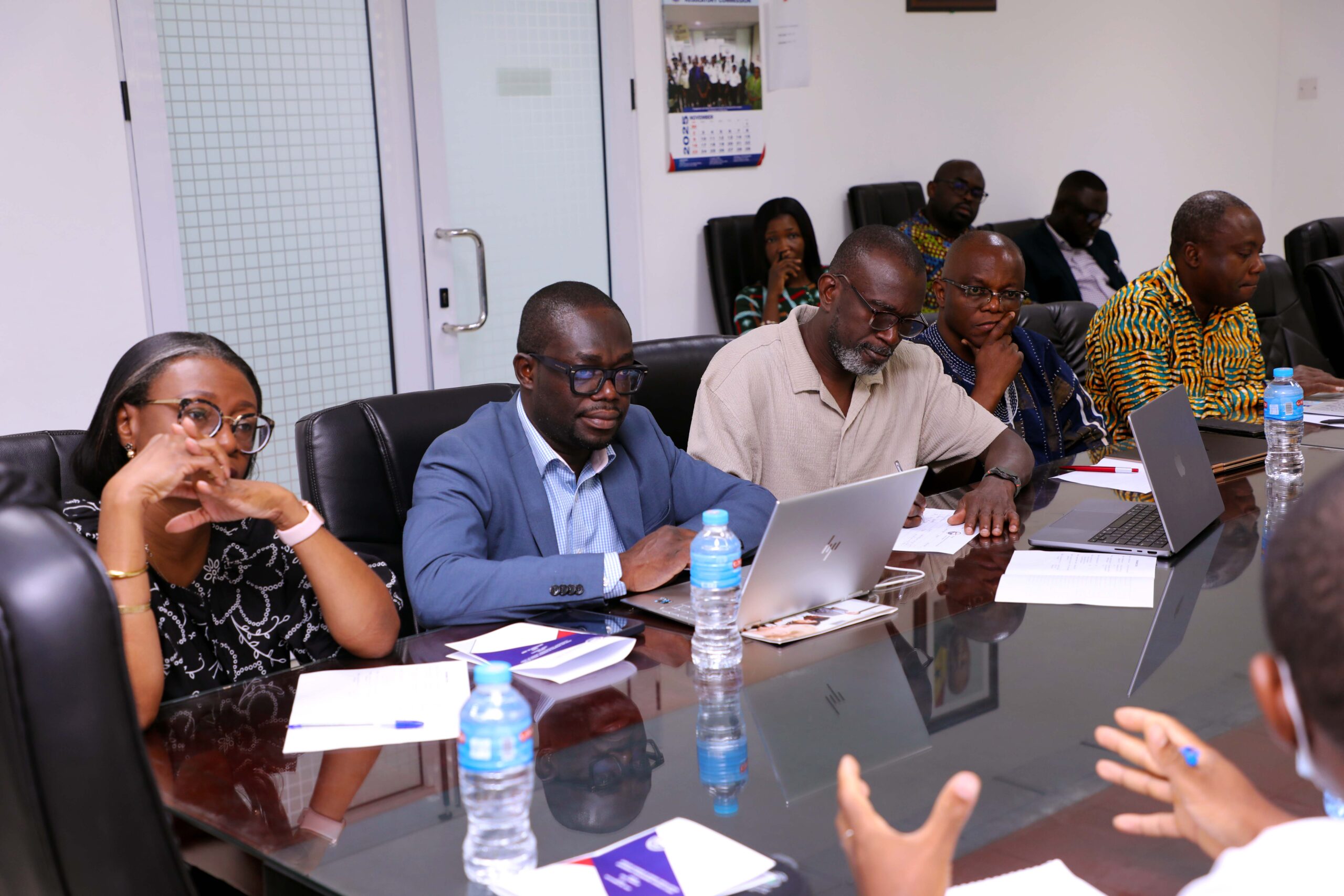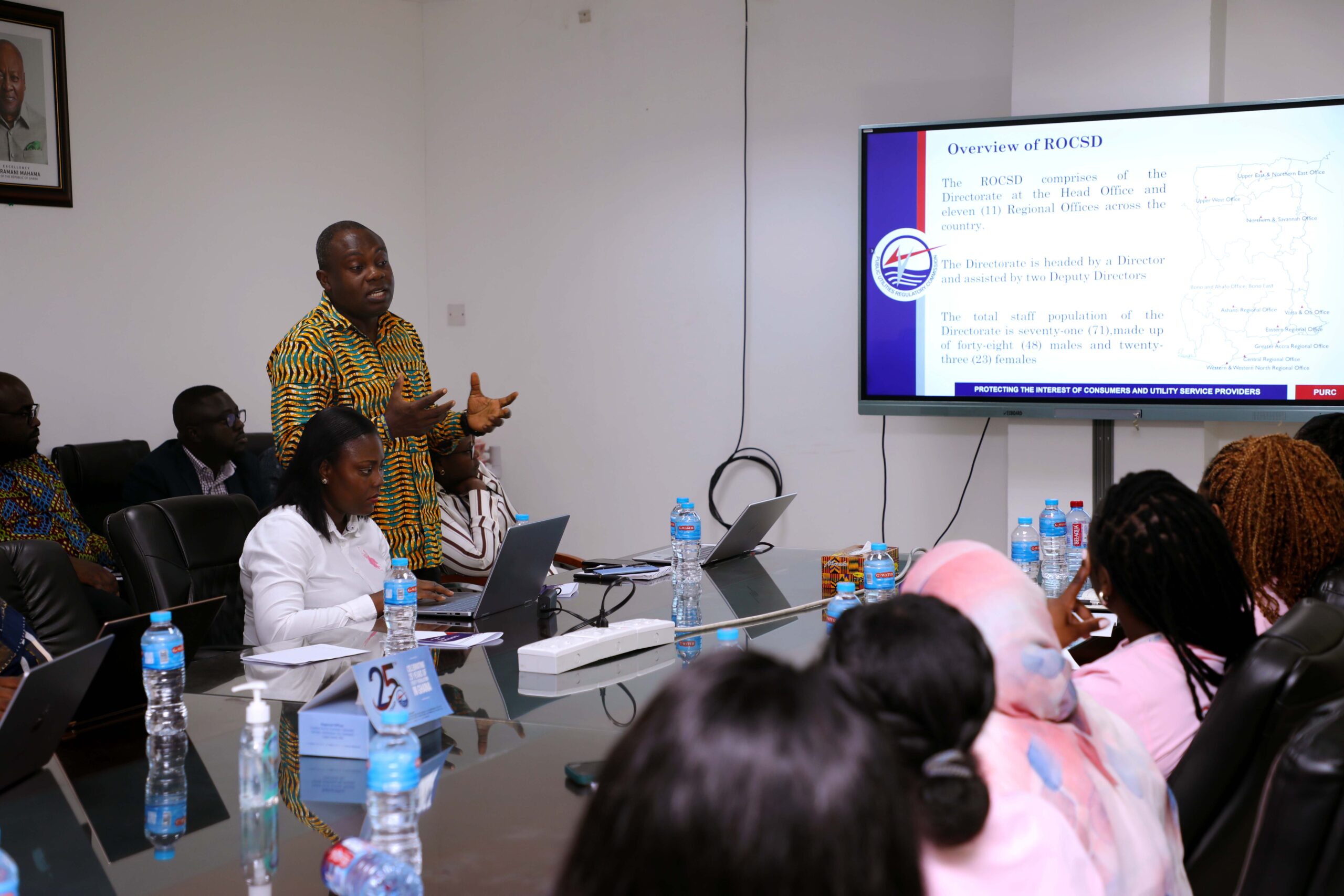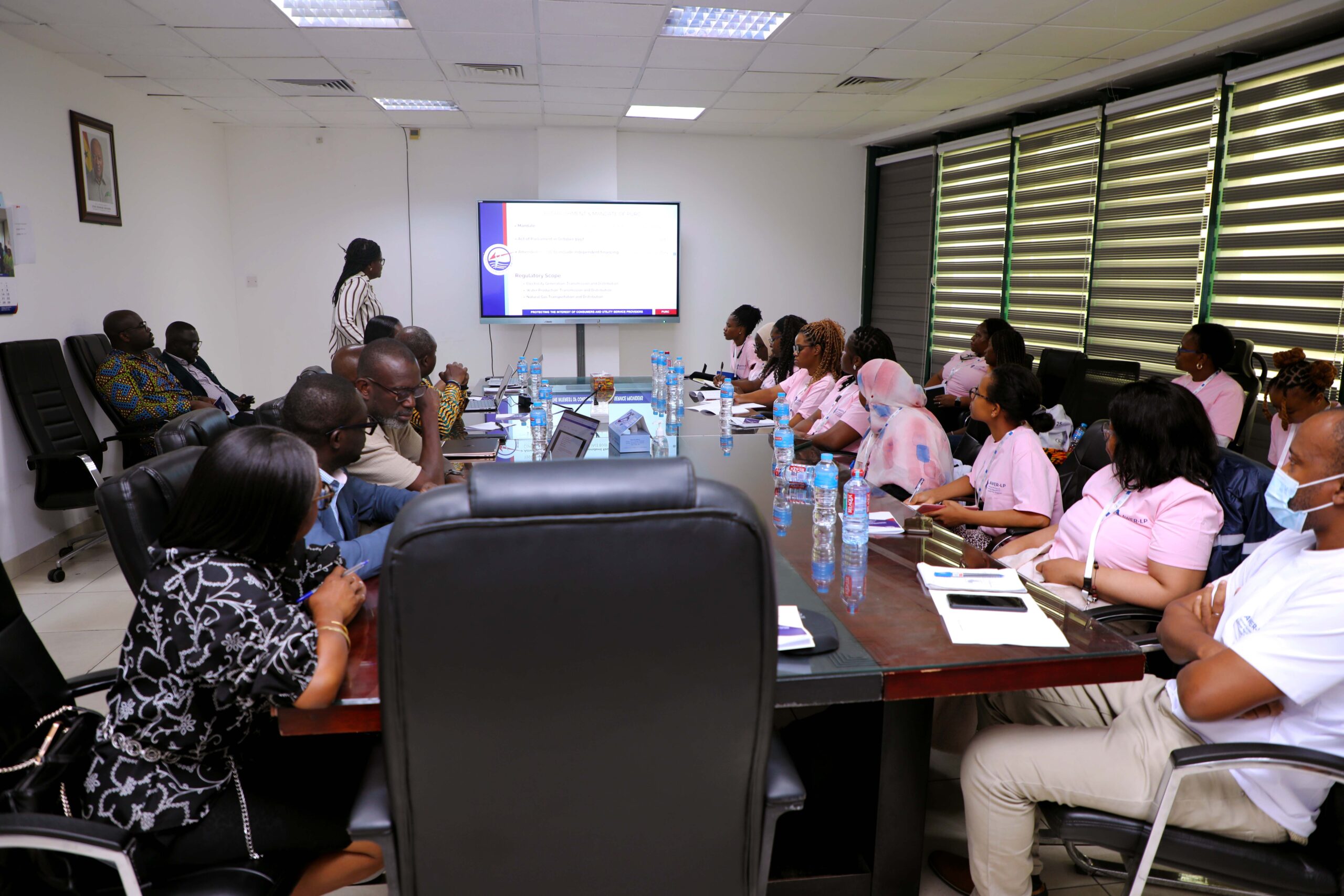


Lesotho’s energy transition is gaining further capacity and momentum as two women professionals – from the public and private sector – have participated in the African Women in Energy Regulation Leadership Program (AWER-LP), launched by African School of Regulation (ASR) and GET.transform. Their involvement underscores the country’s commitment to strengthening both regulatory and market capacities through the EU-funded Renewable Lesotho initiative.
The AWER-LP programme equips emerging women leaders with skills in regulatory governance, stakeholder engagement, and energy-sector strategy. The programme is thus answering to a need for a greater share of women professionals in advancing the sector, as Molelekeng Foulo, Director Legal Services & Corporate Secretary at Lesotho’s Energy Generation Company (LEGCO), emphasises: “Africa’s energy transition requires innovative and resilient solutions. By empowering women, who are often master strategists and resource managers within their communities, the program ensures a broader range of perspectives are “at the table” in policy and regulatory decisions, which ultimately strengthens the sector’s resilience and fosters innovation.”
She further lauded the programme’s focus on regulation as a decisive lever: “Effective regulatory frameworks are crucial for attracting the private investment necessary to achieve universal energy access and transition to a clean energy system.”
Ms. Matsepiso Majoro from the Lesotho-based private company Mahlaseli Energy added: “Attending the AWER-LP African Women in Energy Regulation Leadership Program has been transformative. This program is crucial for Africa’s energy future because it builds the capacity of women leaders to shape inclusive, sustainable energy policies that accelerate electrification across the continent”.
For Lesotho, the participation of delegates from a state-owned entity and a private enterprise aligns closely with Renewable Lesotho’s dual approach of combining policy reform with private sector readiness. Beyond the current capacitation, Lesotho’s partnership with the EU under Renewable Lesotho enables tangible progress by leveraging the complementary strengths of GET.transform and GET.invest.
On the public-sector side, GET.transform has partnered with LEGCO in preparing an expansion of the country’s first public solar PV plant. The support included training LEGCO staff to act as Owner’s Engineer – covering technical specification oversight, implementation monitoring and risk assessment – as well as helping fine-tune a financial model to enable setting a sustainable tariff, and conducting a legal review of the original Power Purchase Agreement (PPA) to lay the ground for Phase II which is set to see the plant grow from 30MW to 80MW in capacity.
Complementing this, GET.invest has strengthened private-sector capacity for off-grid renewable energy through support to companies such as Mahlaseli Energy. As part of the GET.invest Finance Access Advisory provided under Renewable Lesotho, Mahlaseli Energy’s business model and financial-organisational documents have been reviewed and refined, with ongoing advisory work to sharpen operational analytics, financial projections, and to prepare investor-ready materials. This will help the company scale rural off-grid solar operations and engage more effectively with potential investors or lenders.
Going forward, Lesotho’s energy transition will continue to draw strength from joint capacity-building efforts and deeper collaboration between public and private actors.