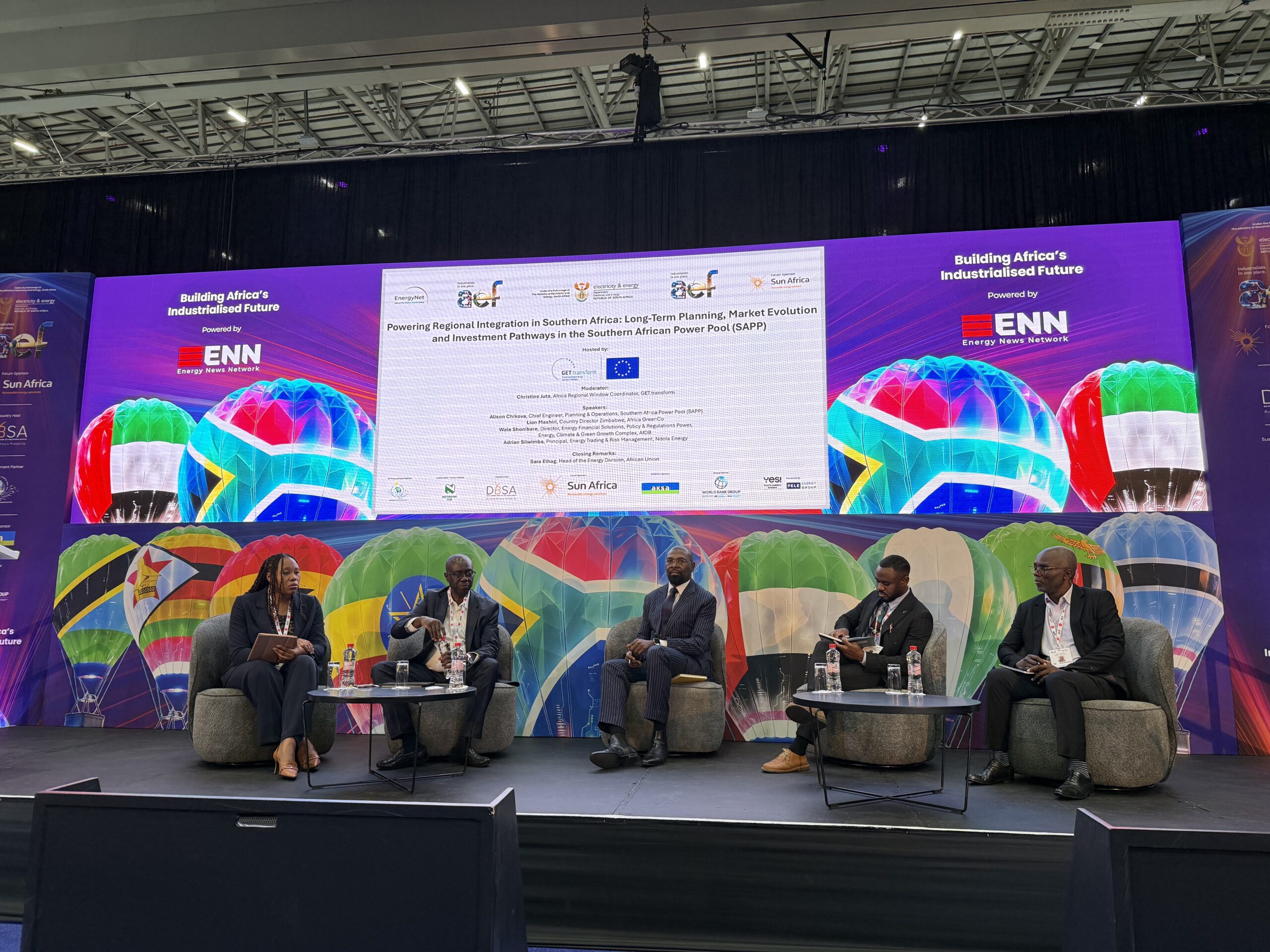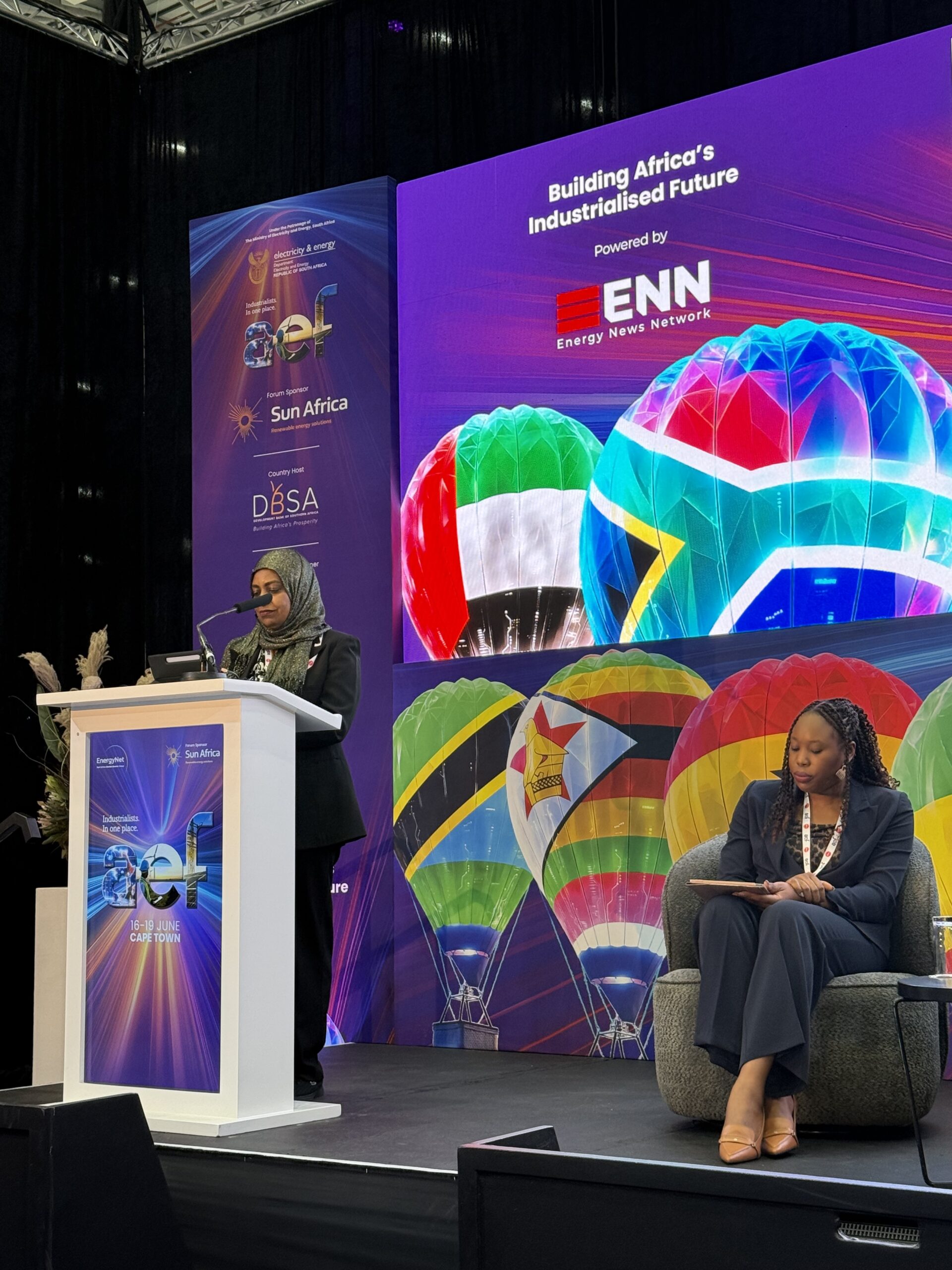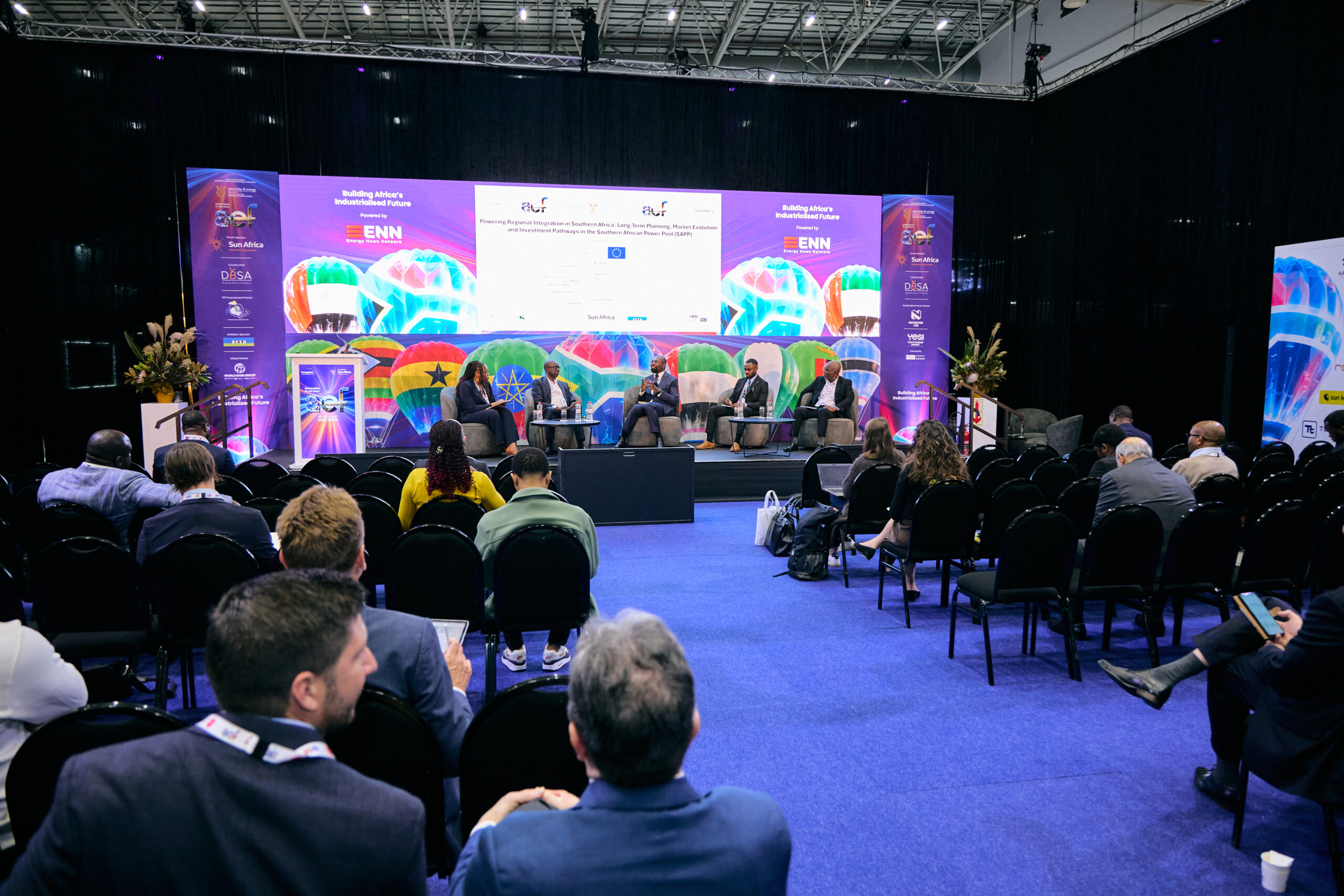

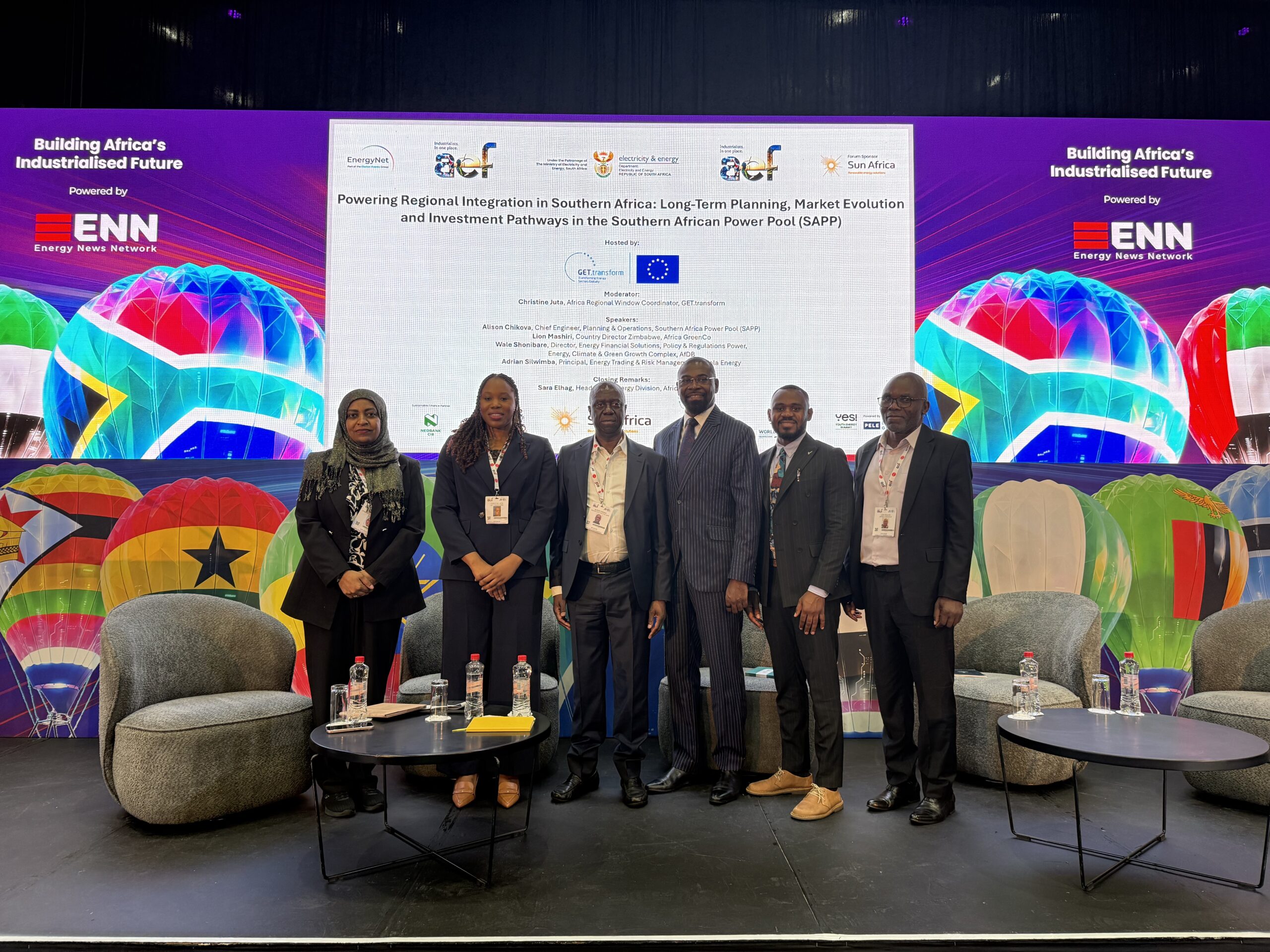
Last week, GET.transform, through the BMZ-funded ENGAGE project, hosted a panel discussion at the African Energy Forum that brought together representatives from the Southern African Power Pool (SAPP), the African Development Bank, Africa GreenCo, Ndola Energy, and the African Union Commission. The discussion explored the future of the Southern African Power Pool and its role in advancing the African Single Electricity Market (AfSEM), with the African Union Commission providing closing reflections. The session focused on how coordinated planning, market reform, and stronger regional cooperation can accelerate regional power market integration and support the implementation of AfSEM.
A central theme was the updated SAPP Generation and Transmission Master Plan (2025–2045), which is expected to provide a strategic roadmap for priority regional generation and transmission investments. Speakers discussed how the plan aligns with the Continental Power Systems Master Plan (CMP) and supports long-term regional integration by identifying infrastructure priorities through to 2045.
The panel examined the challenge of translating regional planning into bankable generation and transmission projects. Discussions highlighted the importance of innovative financing approaches, stronger institutional coordination and regulatory reforms to attract investment and accelerate project implementation.
The future evolution of regional electricity markets featured prominently during the session. Participants explored opportunities to expand beyond traditional energy trading through new market structures and products, including Renewable Energy Certificates (RECs), carbon markets, ancillary services, financial market products and transmission capacity reselling. Such reforms are seen as critical to increasing market liquidity, encouraging broader participation by IPPs and traders, and supporting greater integration of variable renewable energy.
Speakers agreed that stronger collaboration between regional institutions, governments, DFIs and the private sector will be essential to move priority infrastructure projects from planning to implementation.
The panel insights will feed directly into the ongoing implementation of both initiatives and inform the next phase of stakeholder engagement. A public consultation workshop will be convened to present the findings of the SAPP Generation and Transmission Master Plan Update and gather stakeholder feedback on its recommendations. This will be followed by a market-sounding workshop to engage market participants and other stakeholders on the proposed market structures and products being assessed under the SAPP New Market Products Feasibility Study. Together, the outcomes of these engagements will help refine the proposed approaches and support the successful implementation of both initiatives.