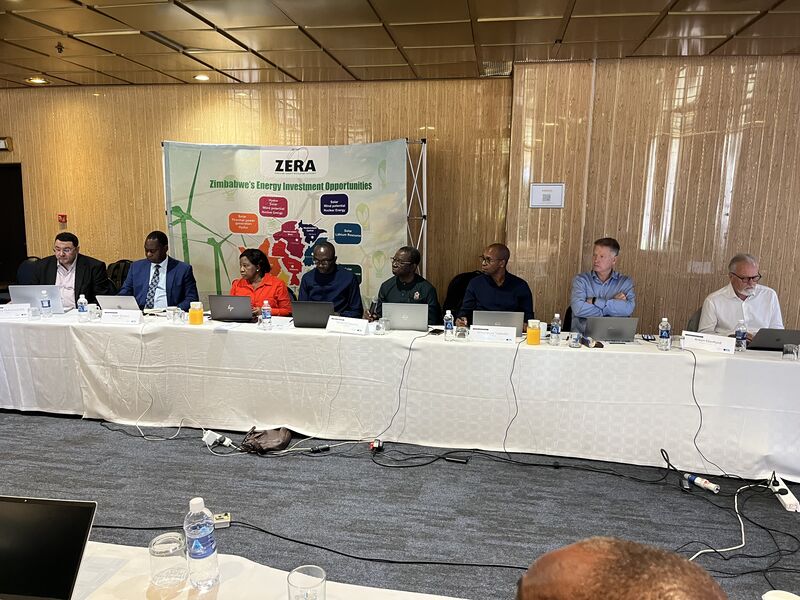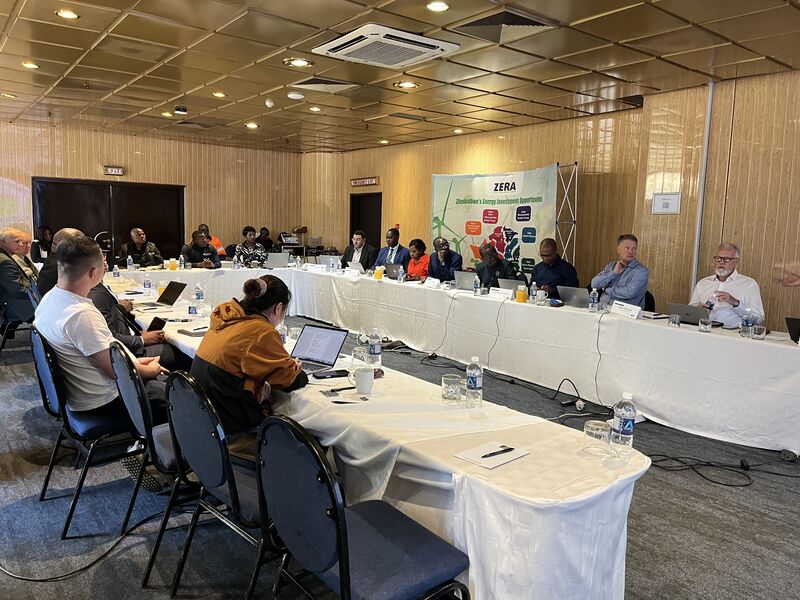

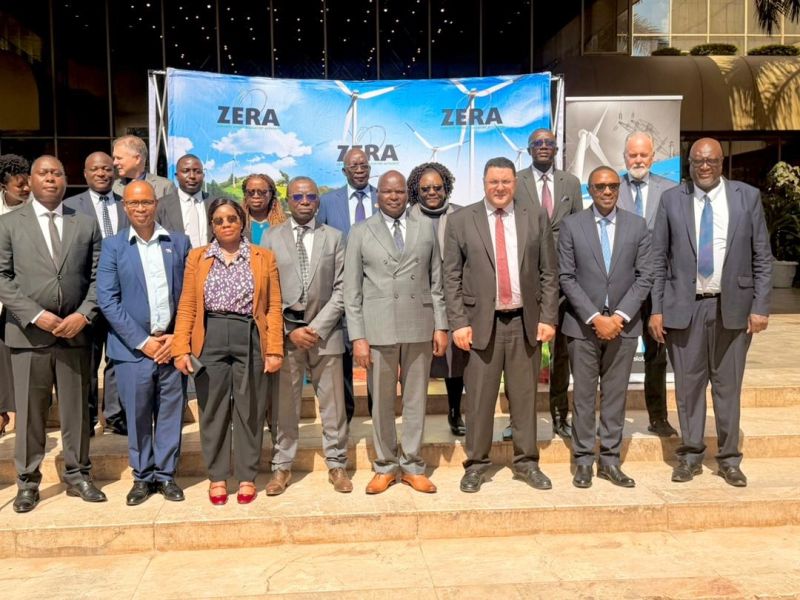
From 11-16 May, the African Electricity Regulators’ Peer Review and Learning Network (PRLN) convened in Harare for an in-depth review session of Zimbabwe’s electricity sector. Hosted by the Zimbabwe Energy Regulatory Authority (ZERA), and conducted by the Power Futures Lab (PFL) in partnership with GET.transform, the workshop brought together regulator CEOs from Cameroon, Egypt, Eswatini, Mozambique and Zambia, alongside Zimbabwean policy, regulatory, utility and industry stakeholders. Prof. Anton Eberhard and Dr. Peter Twesigye of the PFL facilitated the sessions.
Zimbabwe’s power sector, participants agreed, is entering a decisive phase. The traditional model of a single national supplier is giving way to a more fragmented and competitive system, driven in large part by accelerating private investment in solar generation. The central question is no longer whether change is coming, but how institutions, networks and commercial frameworks can adapt to keep pace.
Solar growth is reshaping the supply mix while simultaneously introducing technical constraints. Higher penetration levels will demand more flexible back-up capacity, tighter management of voltage and frequency, and greater system inertia to preserve grid stability. In parallel, households, businesses and large industrial users are increasingly installing behind-the-meter solar and batteries, giving rise to a growing class of prosumers. That shift will require smarter metering, updated billing arrangements and clearer grid-integration rules. In addition, the incumbent utility and holding company, ZESA, is increasingly under pressure to abandon re-bundling, and stakeholders agree that an independent transmission system operator is crucial to protecting the financial viability of sector players and mitigating conflicts of interest. However, the utility and policymakers are open to receiving crucial private investment in commercialization and investment in asset overhaul and expansions.
Pressure to diversify the energy mix is particularly acute in mining and industry, which account for roughly 40% of Zimbabwe’s electricity demand. Many large consumers are developing captive generation plants; others are pursuing wheeling arrangements with independent power producers. Managed well, these trends could support a more efficient and diversified sector. Otherwise, they could risk eroding utility revenues and undermining system viability.
Against this backdrop, visiting regulators stressed that the roles of both regulator and utility are becoming more important, not less. Effective regulation must balance innovation with security, competition with coordination, and new investment with long-term system stability.
The Harare workshop is another country review under the PRLN’s current phase that highlights the salient yet substantial investment opportunities for the private sector. It continues the network’s core objective: building regulatory capacity and deepening peer learning across Africa’s electricity sector at a moment when the pace of change demands exactly that.