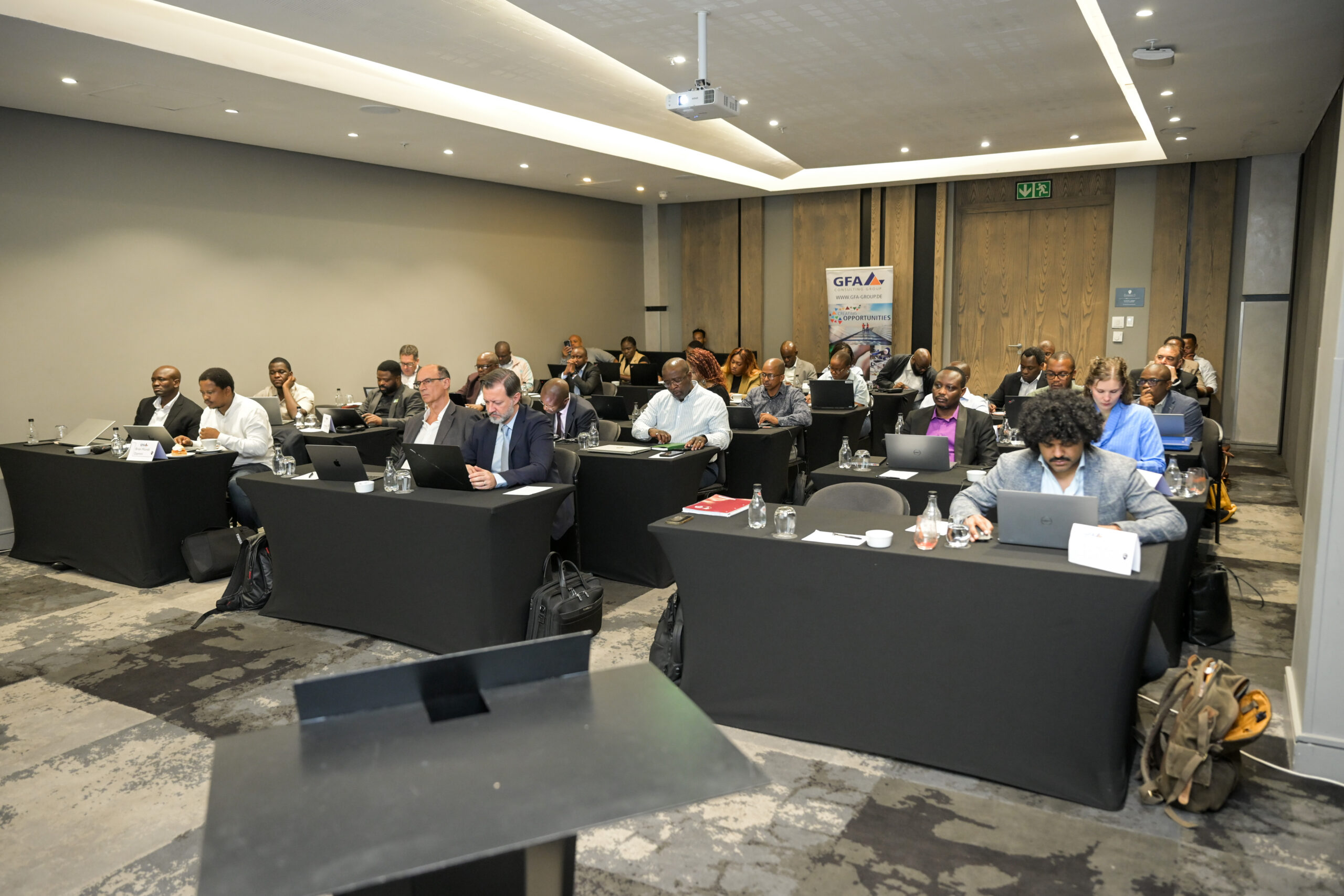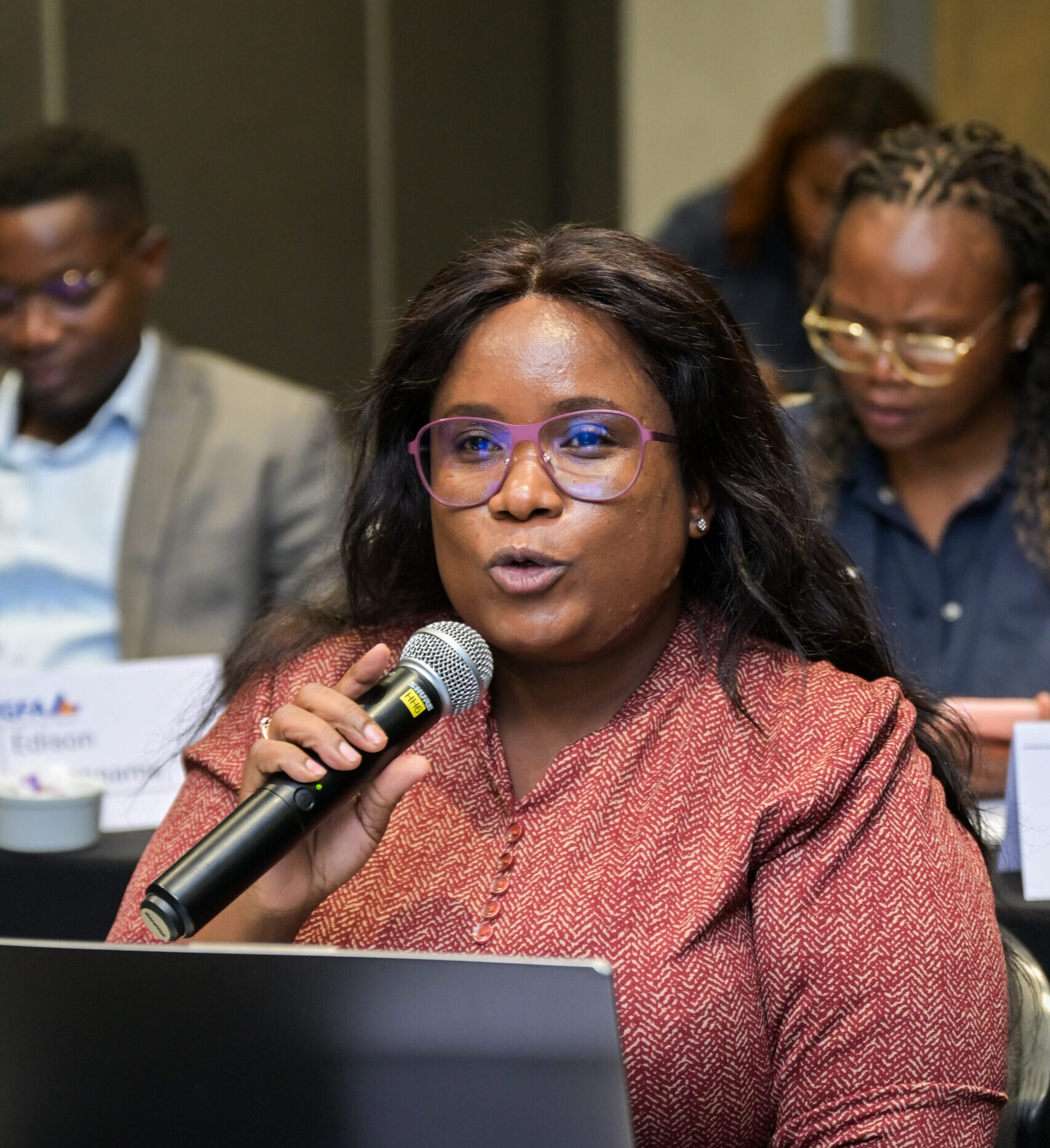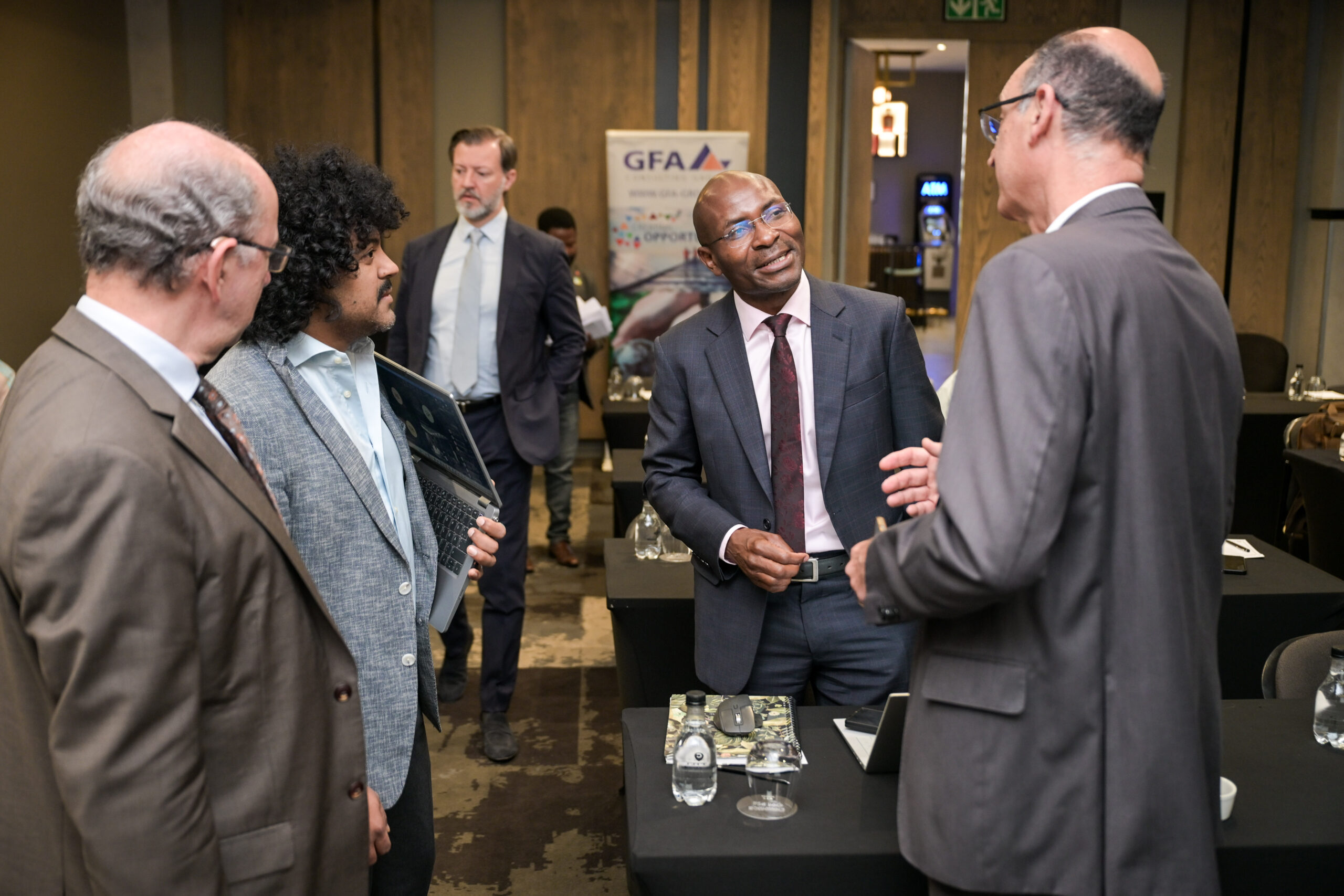

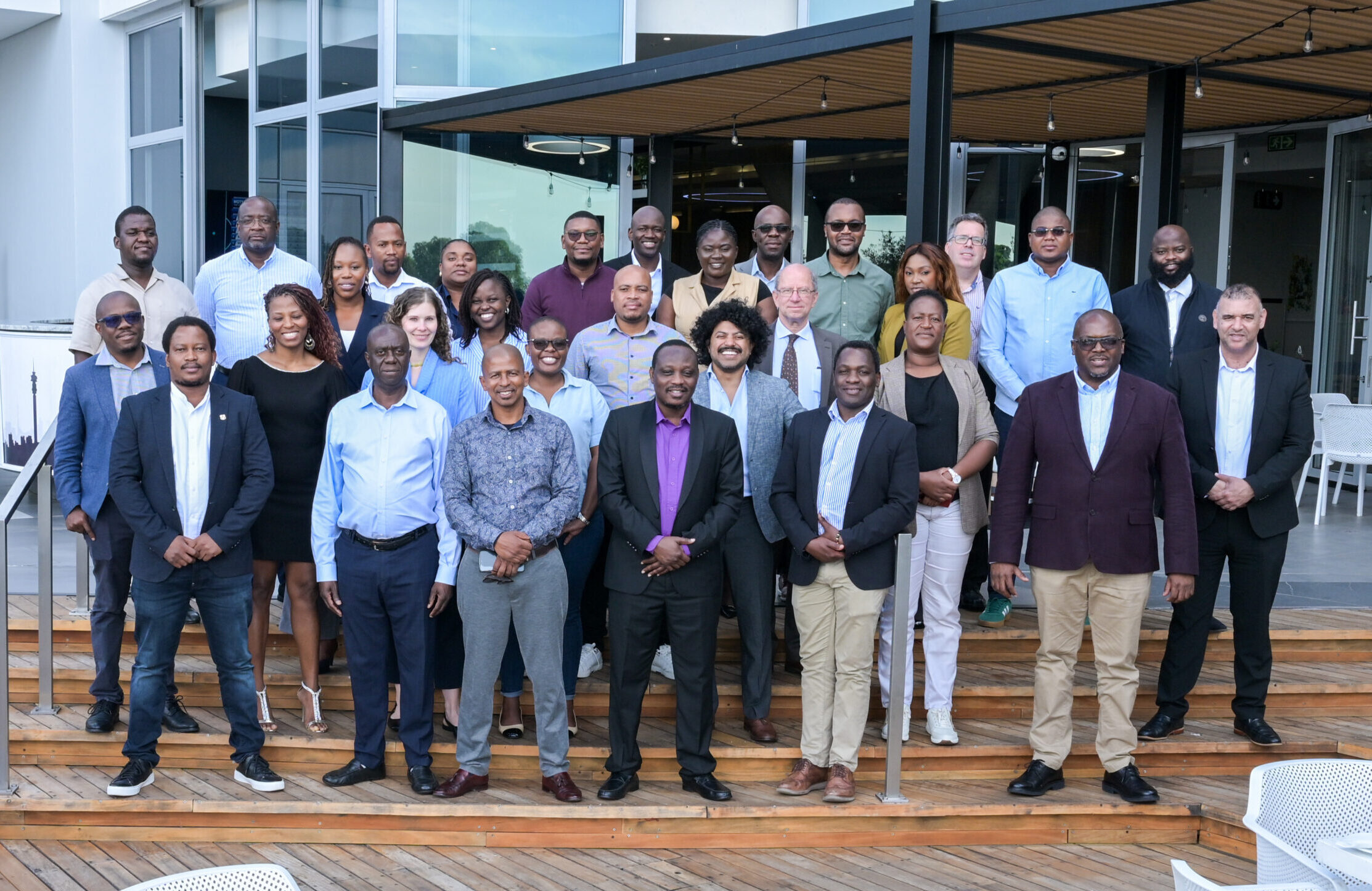
Following a series of successful country missions in Zambia, Zimbabwe and South Africa, experts from the Southern African Power Pool (SAPP) and GET.transform convened in Johannesburg from 28-30 January 2026 for a pivotal validation workshop and training session. While the preceding missions focused on aligning national plans with regional objectives, the Johannesburg workshop served as the critical technical discussion to update SAPP Generation and Transmission Master Plan 2025–2045.
The sessions were carefully structured to address the distinct priorities of the regional technical groups. The Environmental Subcommittee met for a full three-day programme, starting on Wednesday with a focus on validating climate resilience analysis of Work Package 4 on Climate Resilience Analysis. This was followed by two days of intensive training where specialists explored risk identification, infrastructure planning, and data evaluation tools, essential for ensuring future grid expansions are prepared for climate-related risks.
In parallel, the Planning Subcommittee conducted a focused two-day validation session on Thursday and Friday. As the second such gathering since November 2025, the session centred on validating updated data and key assumptions for three strategic development scenarios: the benchmark, full regional integration, and a high-renewable energy future. During these sessions, members actively reran the model to incorporate fresh data and presented the refined results to ensure the plan’s operational robustness.
SAPP’s cooperation with GET.transform on the Master Plan is enabled through the BMZ-funded “Accelerating the Energy Transition in Africa” (ENGAGE) project which aims to improve the institutional and regulatory framework conditions for investments in renewable energies and the access to renewable energy at the pan-African and regional levels in Africa.
By engaging the region’s three main control area operators: Zambia’s Electricity Supply Corporation (ZESCO), Zimbabwe’s Electricity Supply Authority (ZESA) (Zimbabwe), and the National Transmission Company South Africa (NTCSA). The group defined the necessary sensitivity analyses required to secure the plan’s operational robustness.
The workshop benefited from the high-level participation of key continental and regional stakeholders, including the African Union Commission (AUC), AUDA-NEPAD, the SADC Secretariat, the SADC Centre for Renewable Energy and Energy Efficiency (SACREEE), and the Regional Electricity Regulators Association of Southern Africa (RERA).
The discussions culminated in a joint agreement on the next steps for finalising the Master Plan.