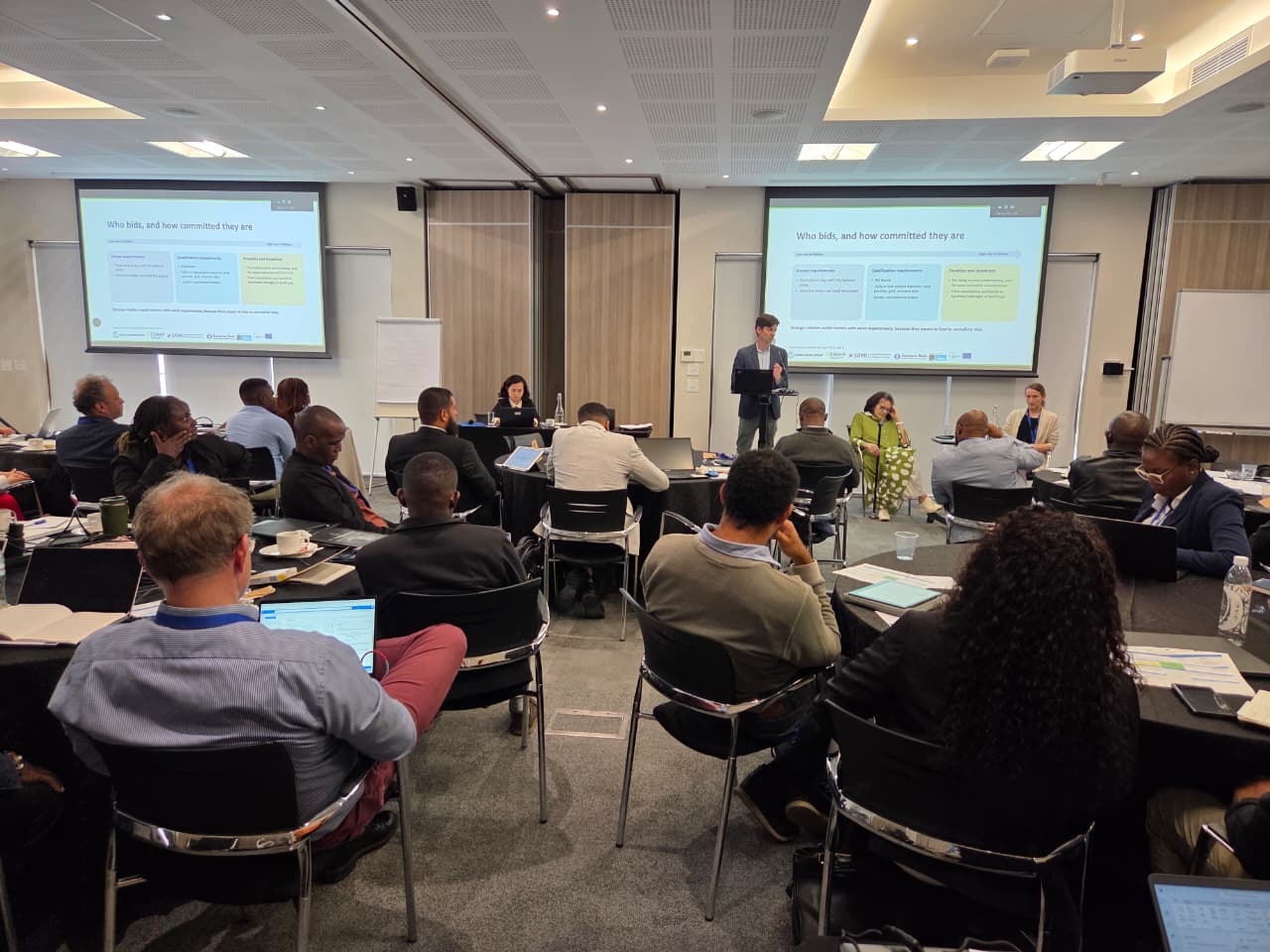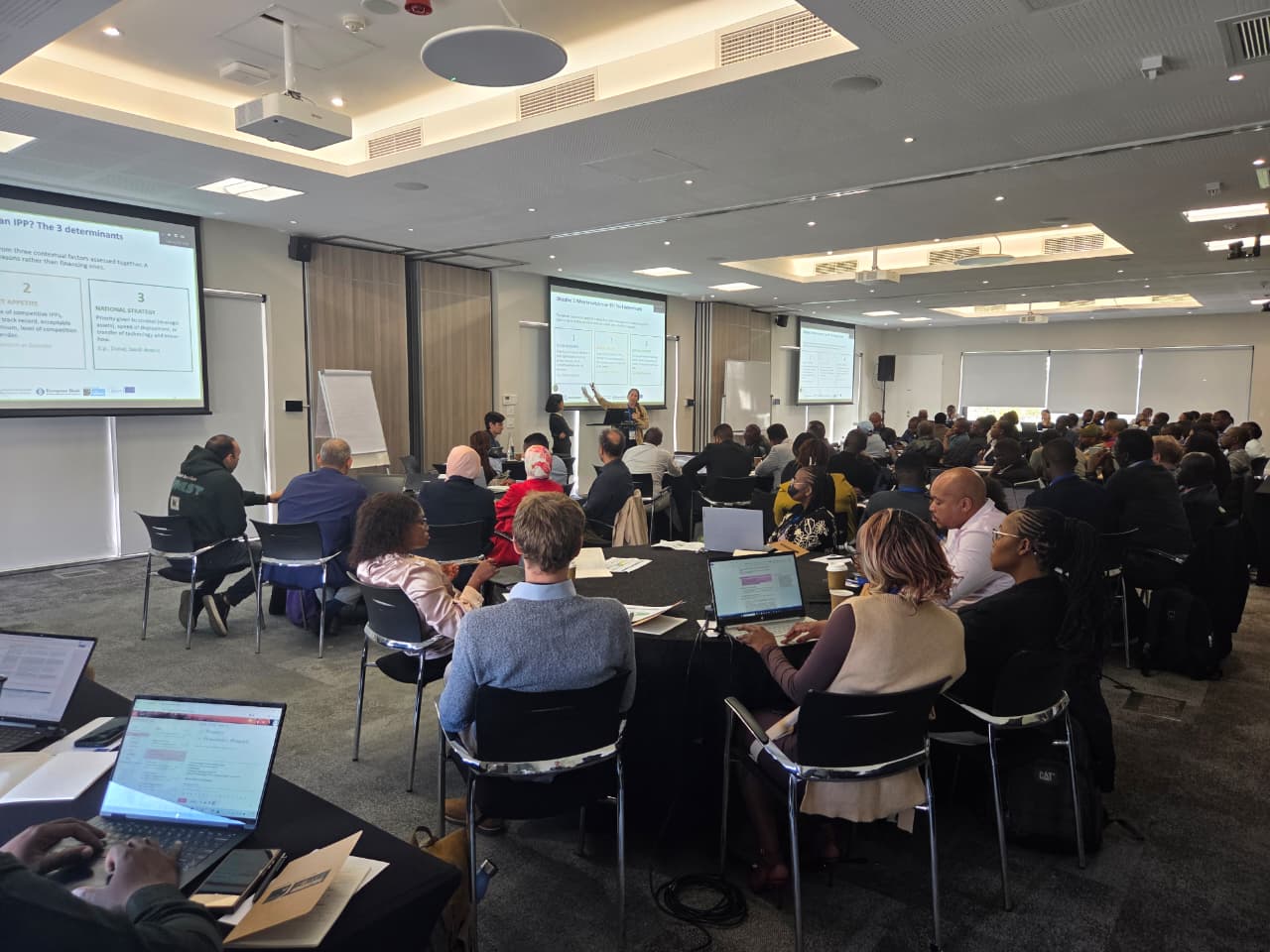

Last week, energy sector officials from fourteen African and Caribbean countries came together in Cape Town, South Africa, for the first in-person training in their shared journey of learning and technical assistance to design competitive tenders for renewable energy.
Across a full week, 80 participants from Botswana, Egypt, Ghana, Jamaica, Kenya, Lesotho, Libya, Namibia, Nigeria, Seychelles, Sierra Leone, Tanzania, Uganda and Zimbabwe delved into the core building blocks of successful renewable energy tenders.
The current cohort of countries represents the third iteration of the Policy Catalyst Window for Effective Renewable Energy Tendering jointly offered by the World Bank Group‘s ESMAP Sustainable Renewables Risk Mitigation Initiative (SRMI), the European Bank for Reconstruction and Development (EBRD), the Power Futures Lab (PFL) and GET.transform.
Training sessions covered conducive policy, regulatory, technical and institutional conditions but also explored the impact grid codes and Battery Energy Storage Systems have on tender design decisions. Further deep dives illustrated how energy planning, variable renewable energy integration studies and effective risk allocation help to increase security and provide clearer signals for investments.
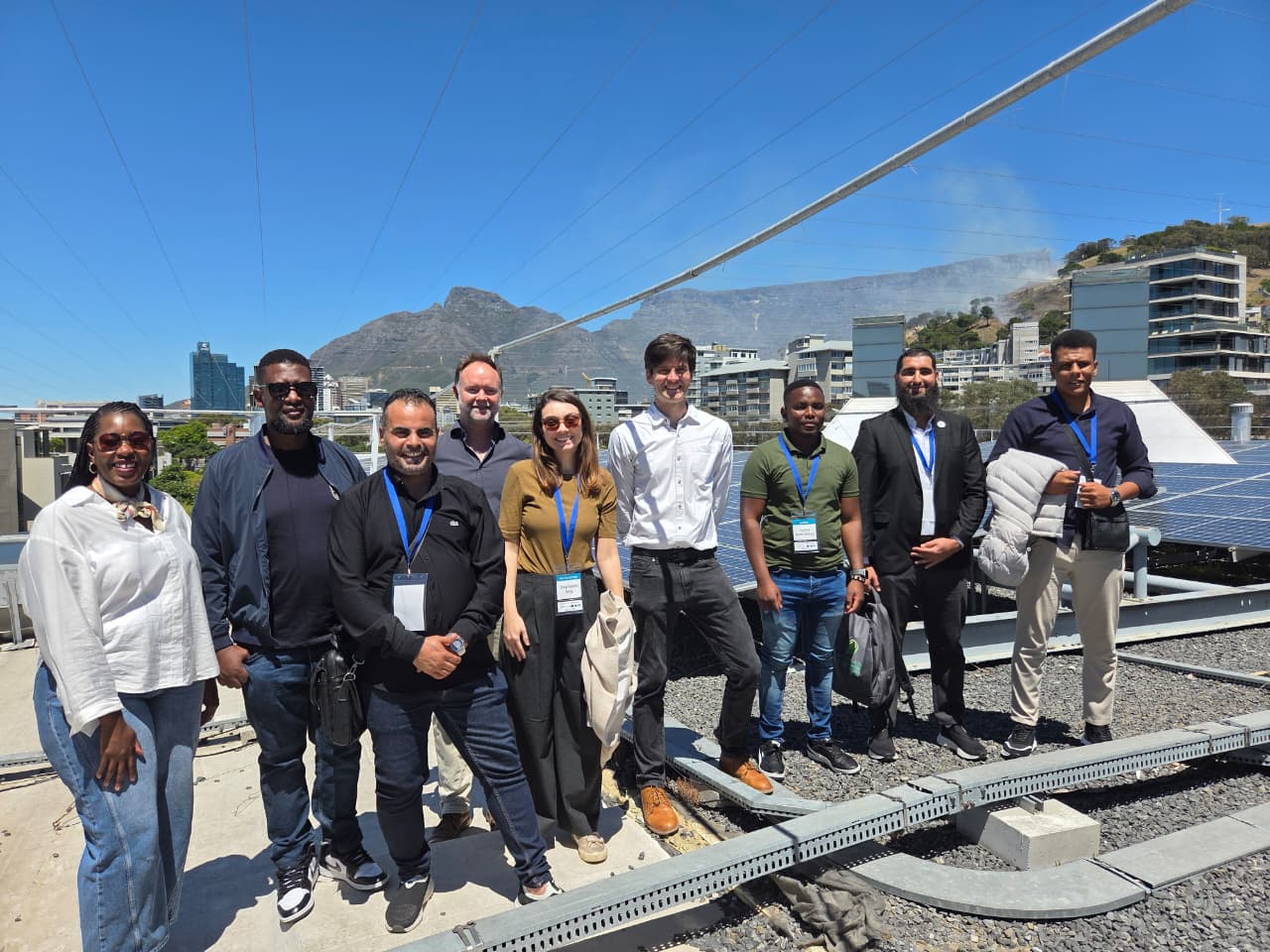
Inputs on tender strategy and implementation addressed best practices, pitfalls, and lessons learned from several rounds of competitive tenders in South Africa and other markets. A site visit to the solar PV installation at the rooftop of the V&A Waterfront with a generation capacity of 230 kWp further illustrated the potential of distributed renewable energy.
Via online sessions, the nine-month programme will continue to equip sector officials with the practical tools and knowledge required to run well-structured, competitive renewable energy tenders before culminating in a second in-person training week in Cape Town in June 2027.
As the journey also offers opportunities for participants to apply the concepts to their own country contexts, the Academy helps participating countries to move from learning to taking action. The blended approach of capacity building and action plans aims to ensure real-life momentum that contributes to more transparent and bankable renewable energy tenders.