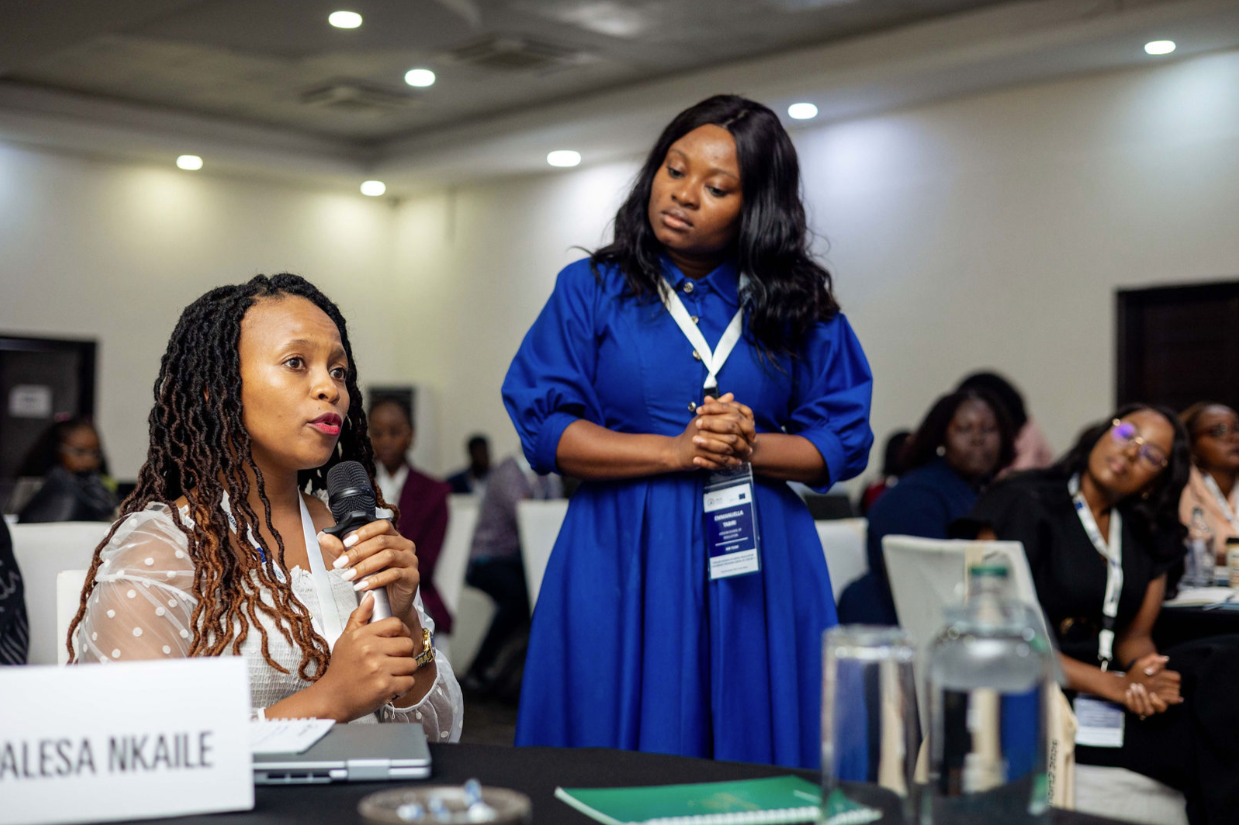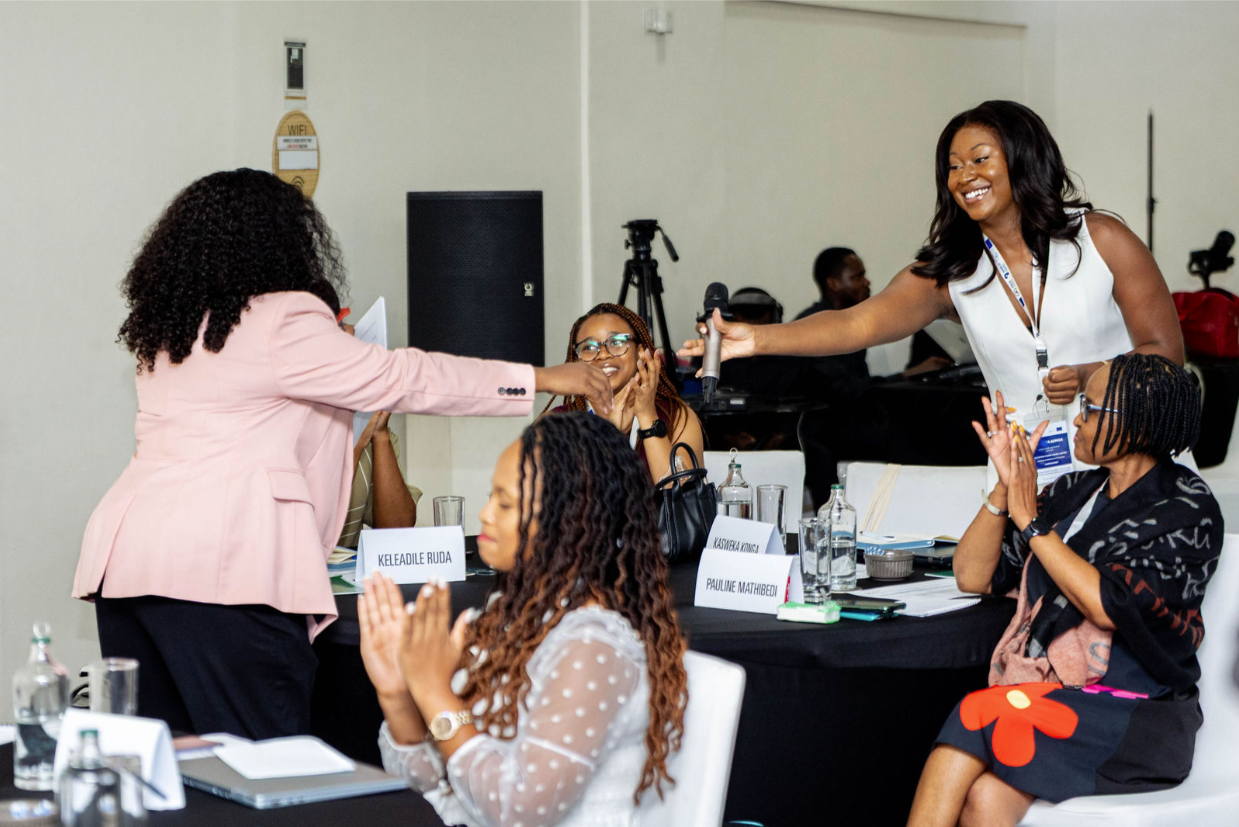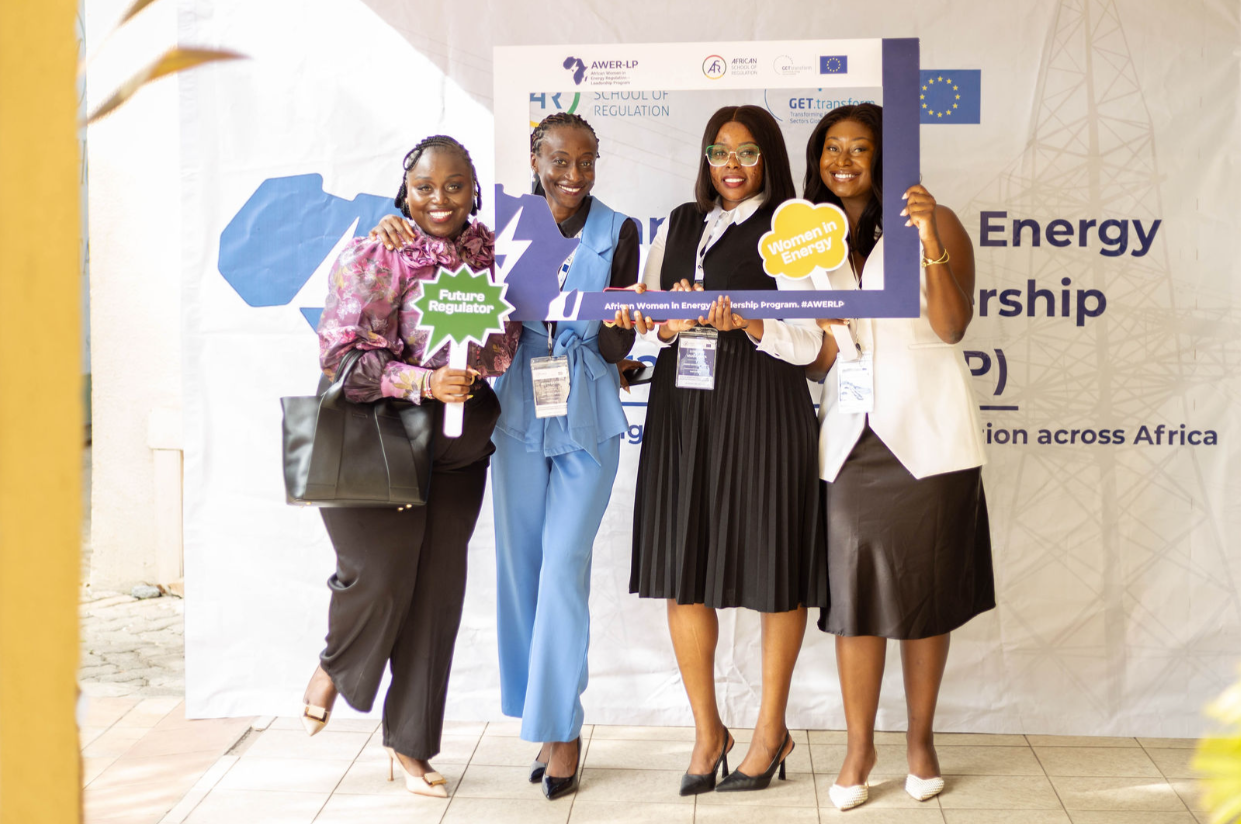

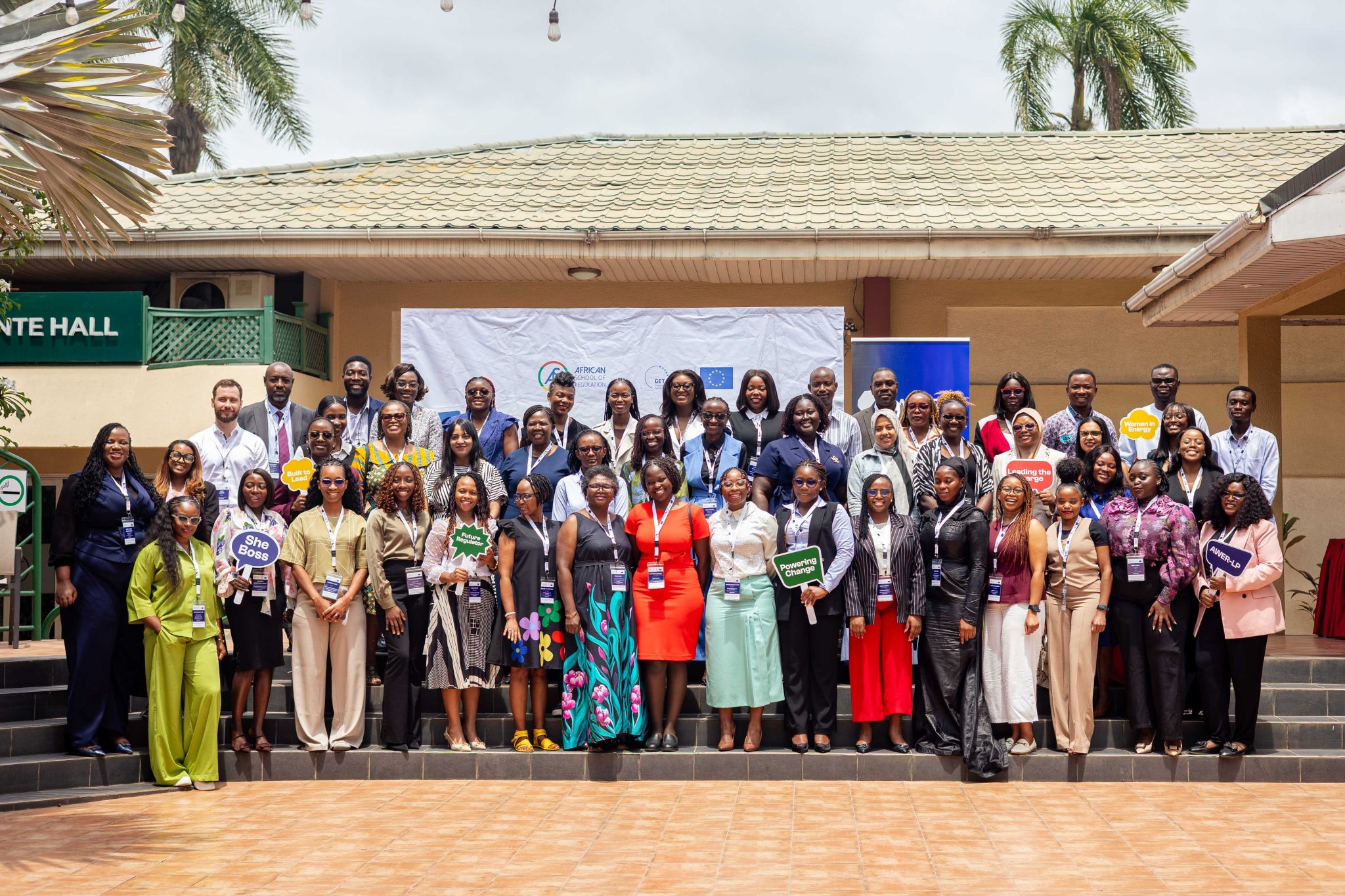
A new chapter in the evolving role of women professionals in Lesotho’s energy transition unfolded last month as a university representative joined the second cohort of the African Women in Energy Regulation – Leadership Programme (AWER-LP) in Accra. The programme, delivered by the African School of Regulation (ASR) in partnership with GET.transform, brought together 35 women from 15 countries to strengthen leadership and regulatory capacity across the continent.
Building on momentum from a previous cohort of 30 women, this year’s participation marks a significant milestone. Palesa Nkaile, Project Manager at the National University of Lesotho (NUL)’s – Energy Research Centre (ERC) in Lesotho, was among the current energy leaders participating in the training through Renewable Lesotho, a joint effort between the Government of Lesotho, the European Union and several implementation partners including GET.transform and GET.invest. The EU-funded initiative aims to advance clean energy generation and energy efficiency but equally understands the need for diverse leadership in delivering a successful energy transformation.
This commitment to gender-equitable growth is not just a policy priority, but a tangible investment the people that will power and benefit from Lesotho’s green revolution.
“For a long time, women have been used to represent energy poverty in Africa. This programme is helping to change that narrative by equipping women with the tools, knowledge, and confidence to actively shape the sector”, explains Palesa Nkaile.
“Through AWER-LP, we are being empowered to show up as experts, contribute meaningfully, and influence the future of energy on the continent. In many ways, this programme is not just supporting Africa’s energy future—it is becoming a part of it.”
While the first cohort had seen Lesotho represented through public and private sector delegates, the Renewable Lesotho-enabled participation now spans government, industry, and academia. This engagement highlights the country’s dedication to enhancing both regulatory frameworks and market capacities through the initiative.
The presence of an academic voice from Lesotho added a critical dimension to the programme’s impact. Universities play a central role in shaping future energy professionals and advancing research-driven solutions – making their inclusion vital for sustainable sector transformation.
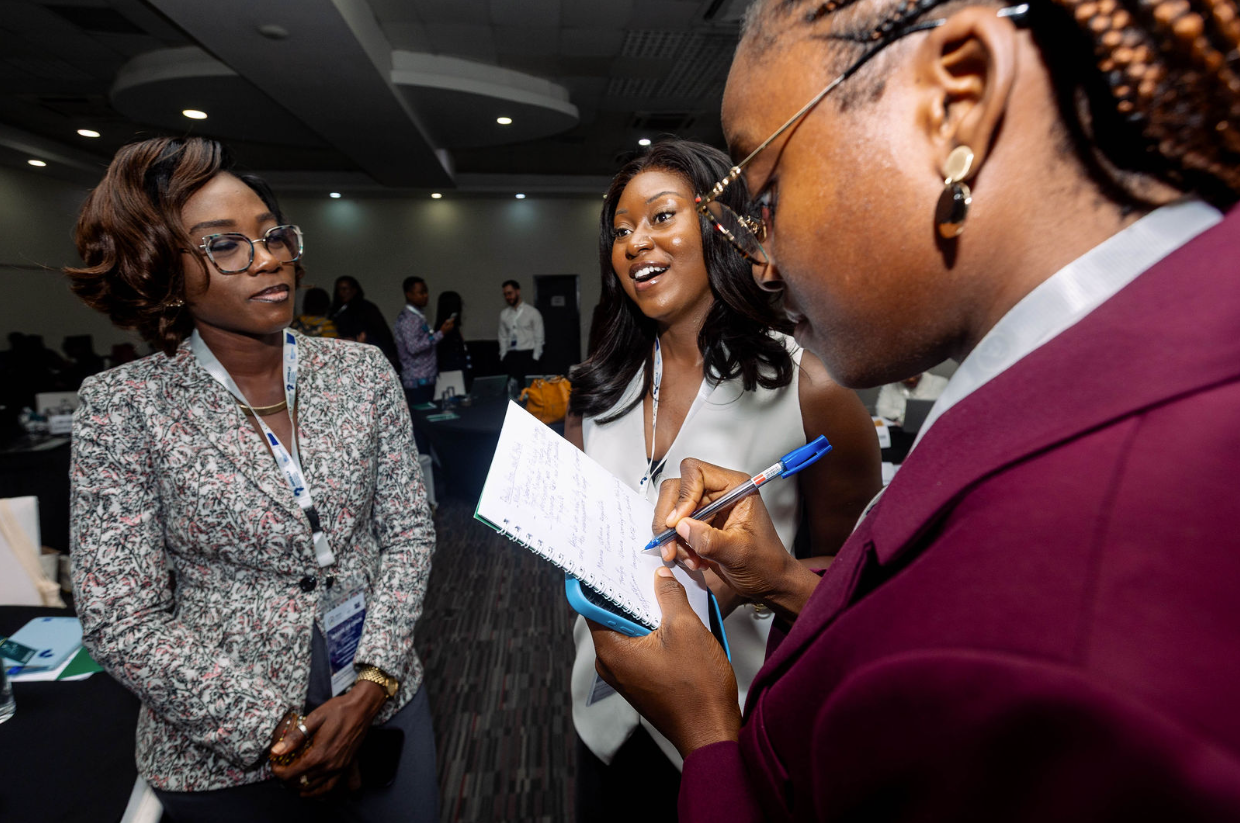
The AWER-LP combines online learning with in-person training, covering key topics such as power systems, electrification strategies, and renewable energy integration. Participants also benefit from mentorship and peer exchange, fostering both technical expertise and leadership confidence.
As Africa navigates complex energy challenges, initiatives like AWER-LP are not only equipping women with the tools to lead but also ensuring that countries like Lesotho are represented across all pillars of the energy ecosystem.