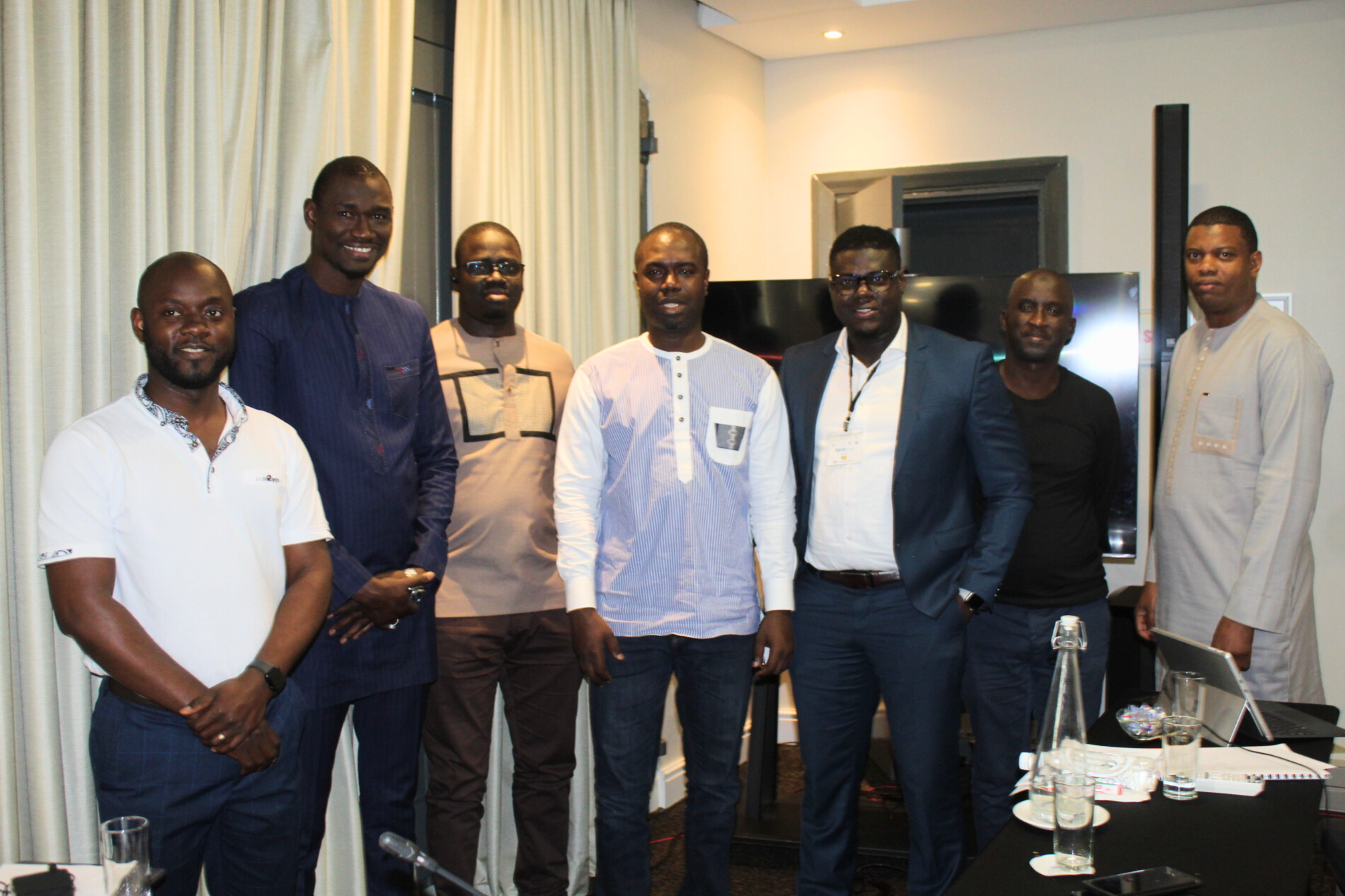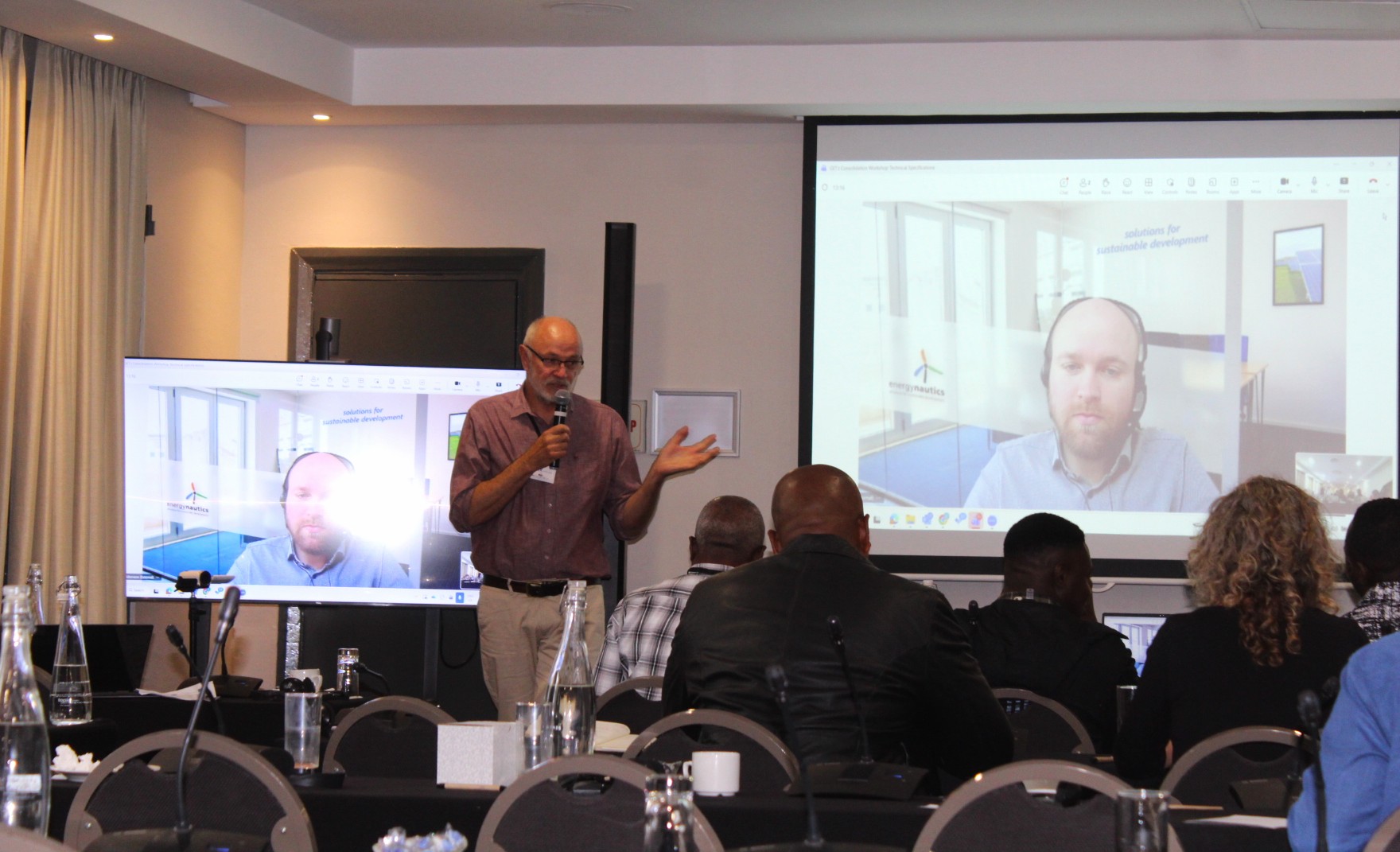

From 10–14 November 2025, the Consolidation Workshop under the Policy Catalyst Distributed Generation (DG) Window convened in Cape Town, bringing together around 20 representatives of regulatory authorities and utilities from Senegal, Liberia, Zimbabwe, and Kenya. The working session built on earlier training, diagnostics, and technical engagements that began with the preparation of draft DG regulations and continued through targeted sessions, including an October workshop on tariff-setting.
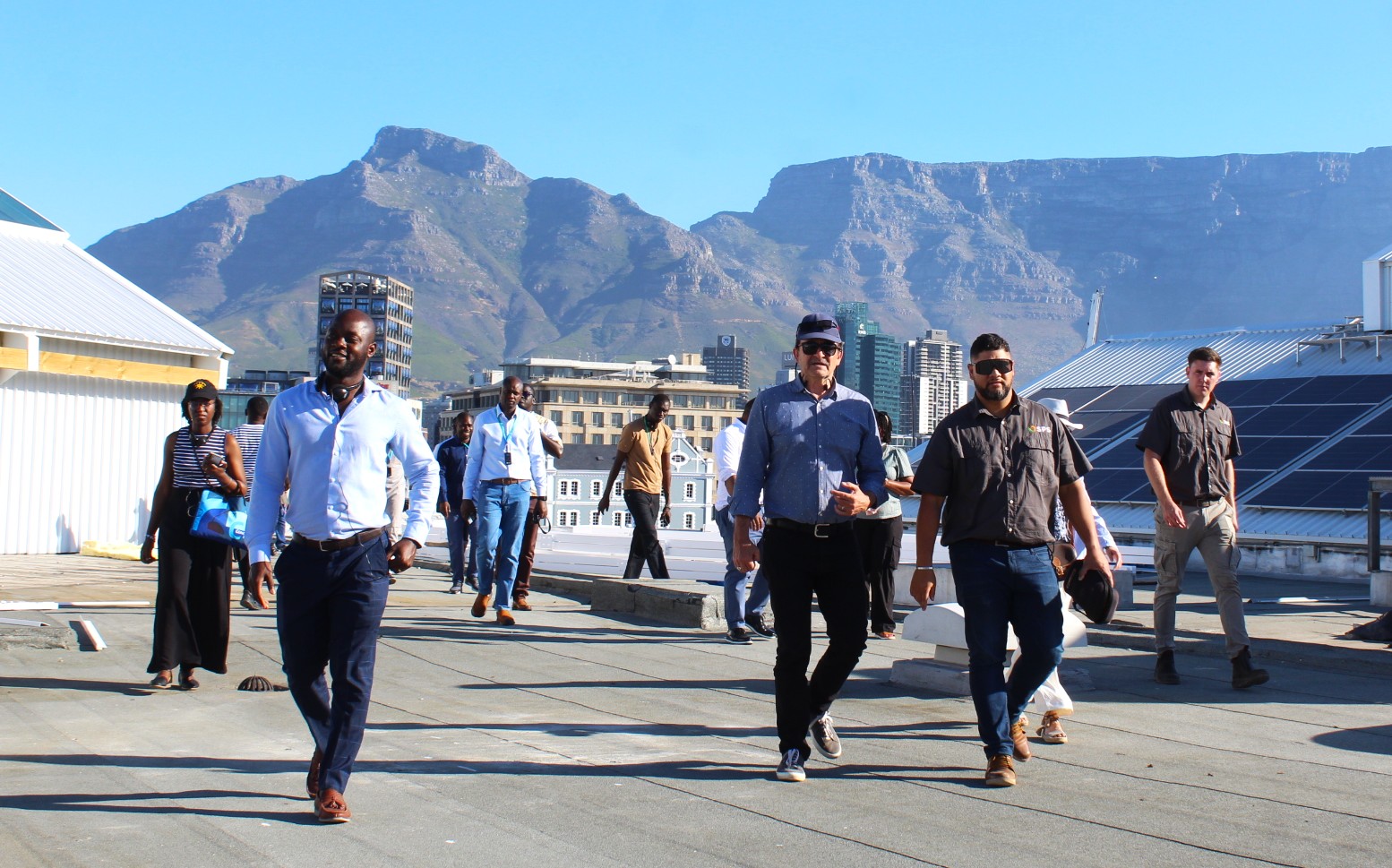
Over the course of the week, participants worked intensively on finalising their draft net-metering and net-billing regulations, formalising permitting and approval processes for utilities, and developing ancillary documentation to guide regulatory and utility decision-making for connecting DG systems to national grids. The hands-on, country-led exercises aimed to produce feasible regulatory instruments that respond to each market’s realities while aligning with international best practice for transparency, efficiency, and investor confidence. The workshop included sessions on power quality and safety standards and a site visit to a commercial rooftop solar installation to further understand the technicalities of DG systems.
The countries demonstrated substantial progress. Kenya, advancing toward its pilot target of approving 100 MW of DG capacity, confirmed that its regulator the Energy & Petroleum Regulatory Authority (EPRA) and utility Kenya Power (KPLC) have now processed 62 pilot net-metering applications, representing 17 MW of new installations. Senegal’s delegation finalised the “Guide de raccordement des autoproducteurs”, a comprehensive permitting and connection manual for DG, and recently updated its DG policy to allow leasing and third-party financing models. Liberia’s institutions such as the Liberia Electricity Corporation (LEC), The Liberia Electricity Regulatory Commission (LERC), and the Ministry of Mines & Energy (MME) refined their final draft net-metering regulations and permitting requirements, with a public consultation scheduled for within the next two months. Zimbabwe’s Energy Regulatory Authority (ZERA) and the Zimbabwe Electricity Transmission and Distribution Company (ZETDC) refined their DG permitting processes and explored emerging business models, including utility-led DG programmes and virtual wheeling, as the country responds to an increasingly decentralised energy landscape.
A notable achievement across all four countries is the consensus to introduce simplified permitting procedures for smaller installations, reducing regulatory burdens while ensuring system safety and grid stability. Thresholds will range from 100 kVA in Liberia to 350 kVA in Zimbabwe, with systems above these limits requiring more detailed grid impact studies.
Participants described the workshop as an important step toward harmonising DG governance frameworks and expediting safe, sustainable deployment of distributed energy across the continent.