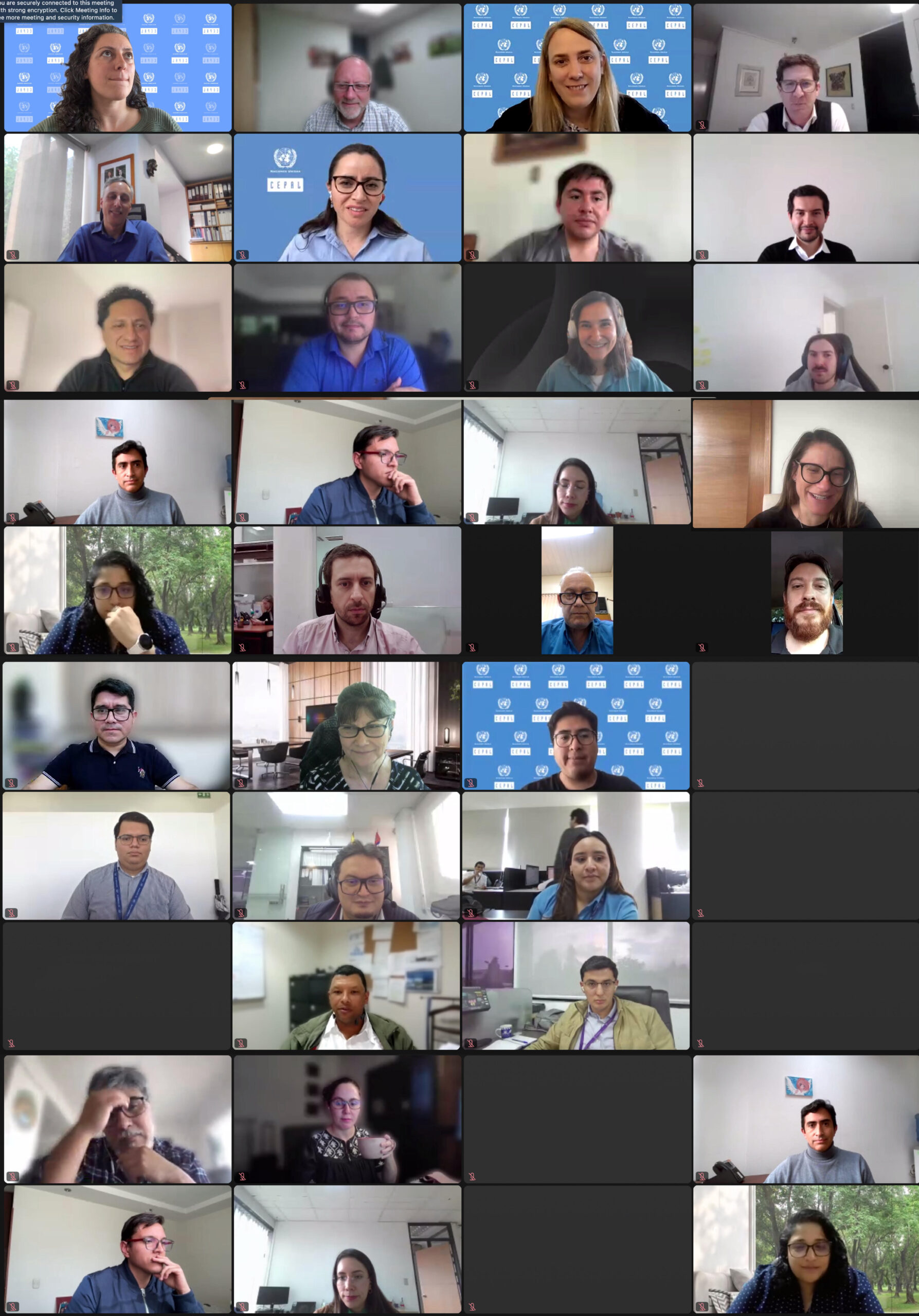

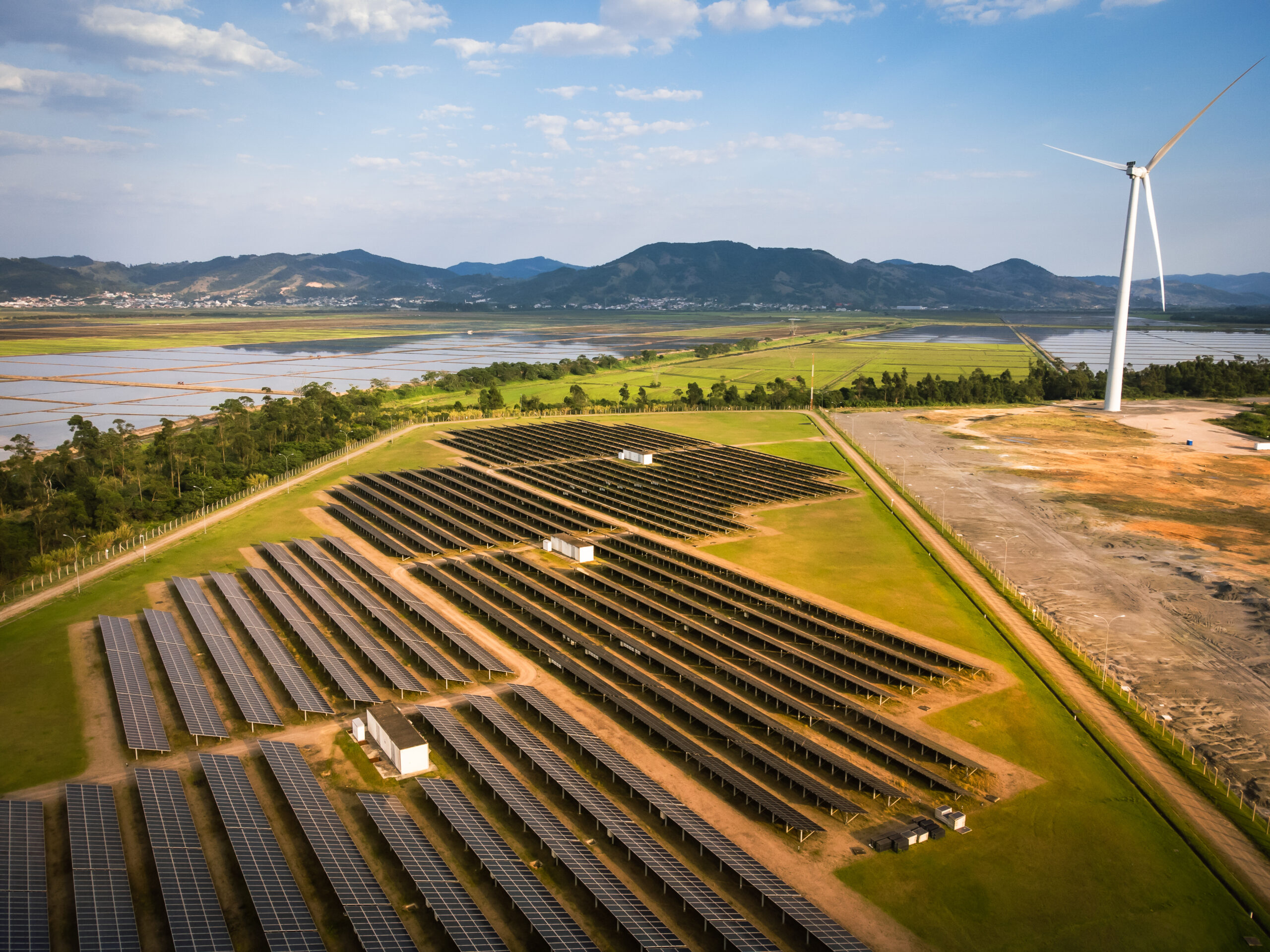
As part of its efforts to promote a just, resilient and inclusive energy system in Latin America and the Caribbean, the Economic Commission for Latin America and the Caribbean (CEPAL) organised a virtual course for public sector officials on “Resilient Energy Planning”. In response to growing uncertainties related to climate change, cybersecurity, and other social issues hindering the operational security of electricity systems in the region, the 8-week course offered energy planners the opportunity to explore new ways to incorporate resilience into long-term energy planning.
The training was delivered in the framework of the Regional Forum of Energy Planners (FOREPLEN) in partnership with the United Nations Development Account program. The course brought together representatives from 16 countries including Argentina, Chile, Costa Rica, Bolivia, Brazil, Colombia, Ecuador, El Salvador, Guatemala, Honduras, Mexico, Panama, Peru, Dominican Republic and Uruguay. This diverse regional representation ensured cross-border exchanges of expertise and collective learning.
The course programme builds on previous regional initiatives, such as the Methodological Study on Resilient Electric Planning in Latin America and the Caribbean and an earlier compilation of best practices in selected countries. Putting the insights into practice, participants also developed group projects, integrating theoretical concepts and technical tools into concrete planning exercises tailored to their institutional and national contexts.
By providing energy planners with technical and economic tools and fostering regional exchange of experiences, FOREPLEN contributes to strengthening institutional capacities for the design of robust, adaptive and forward-looking electricity systems. The next in person FOREPLEN Meeting will be held from March 17 through 19 in Montevideo, Uruguay.