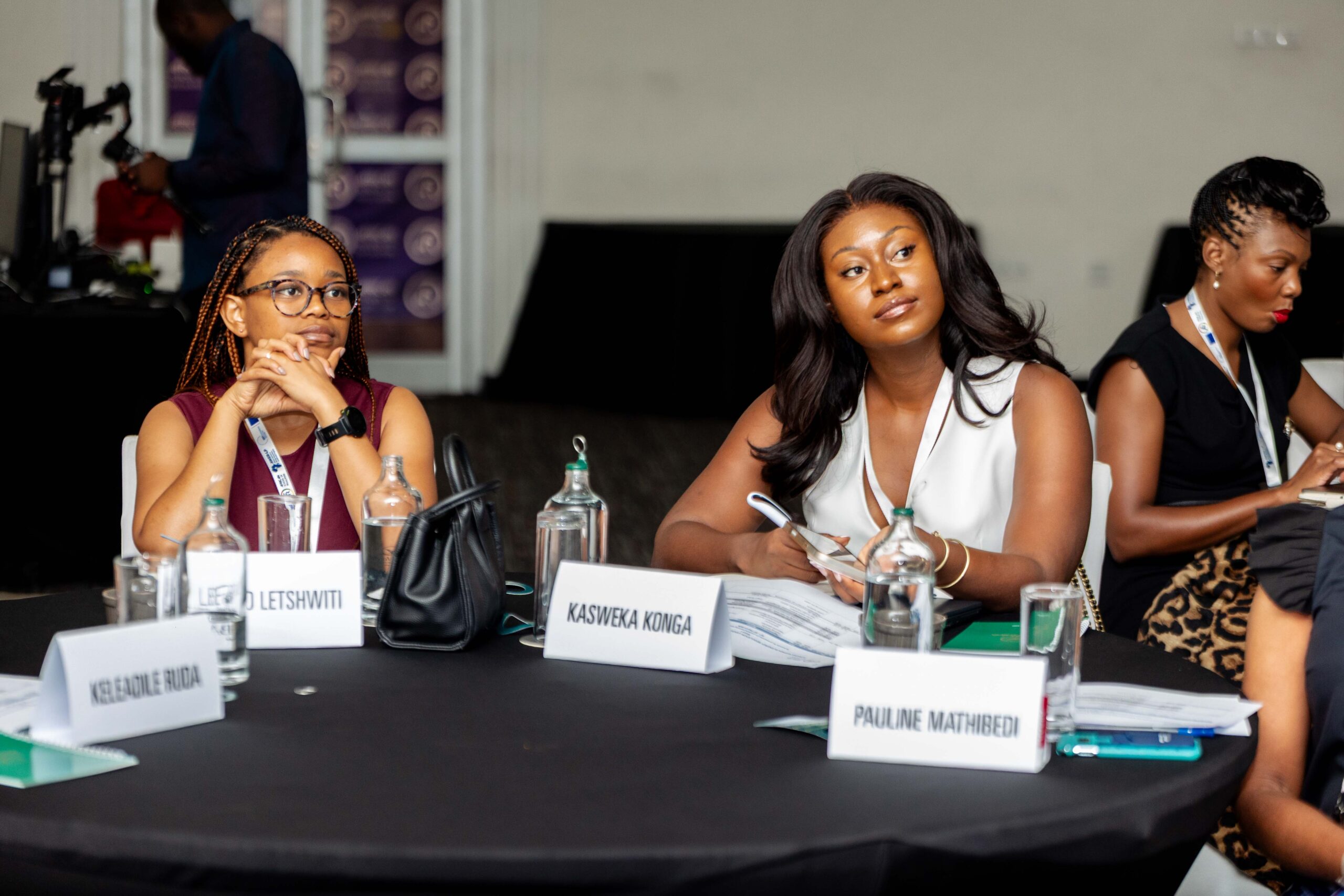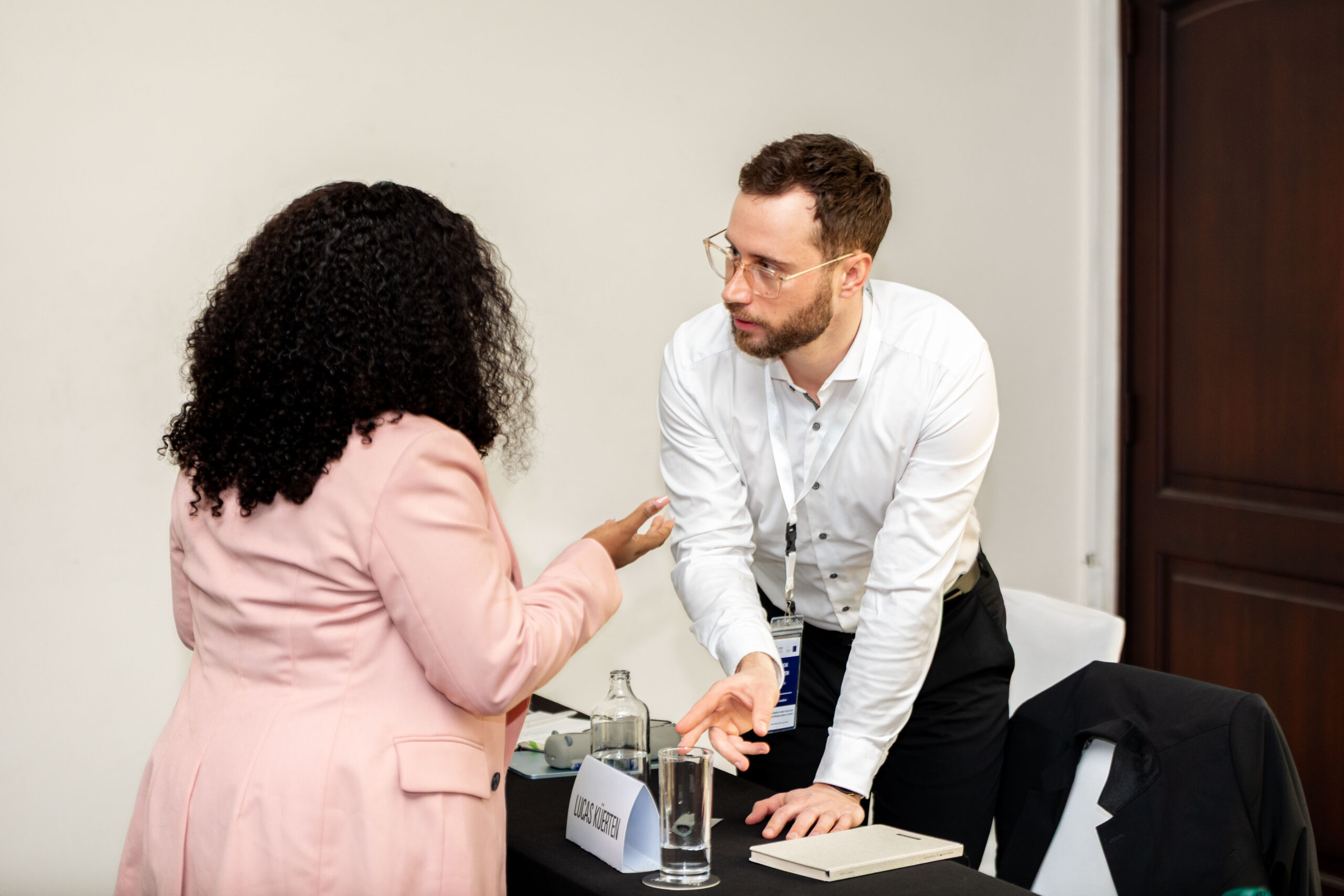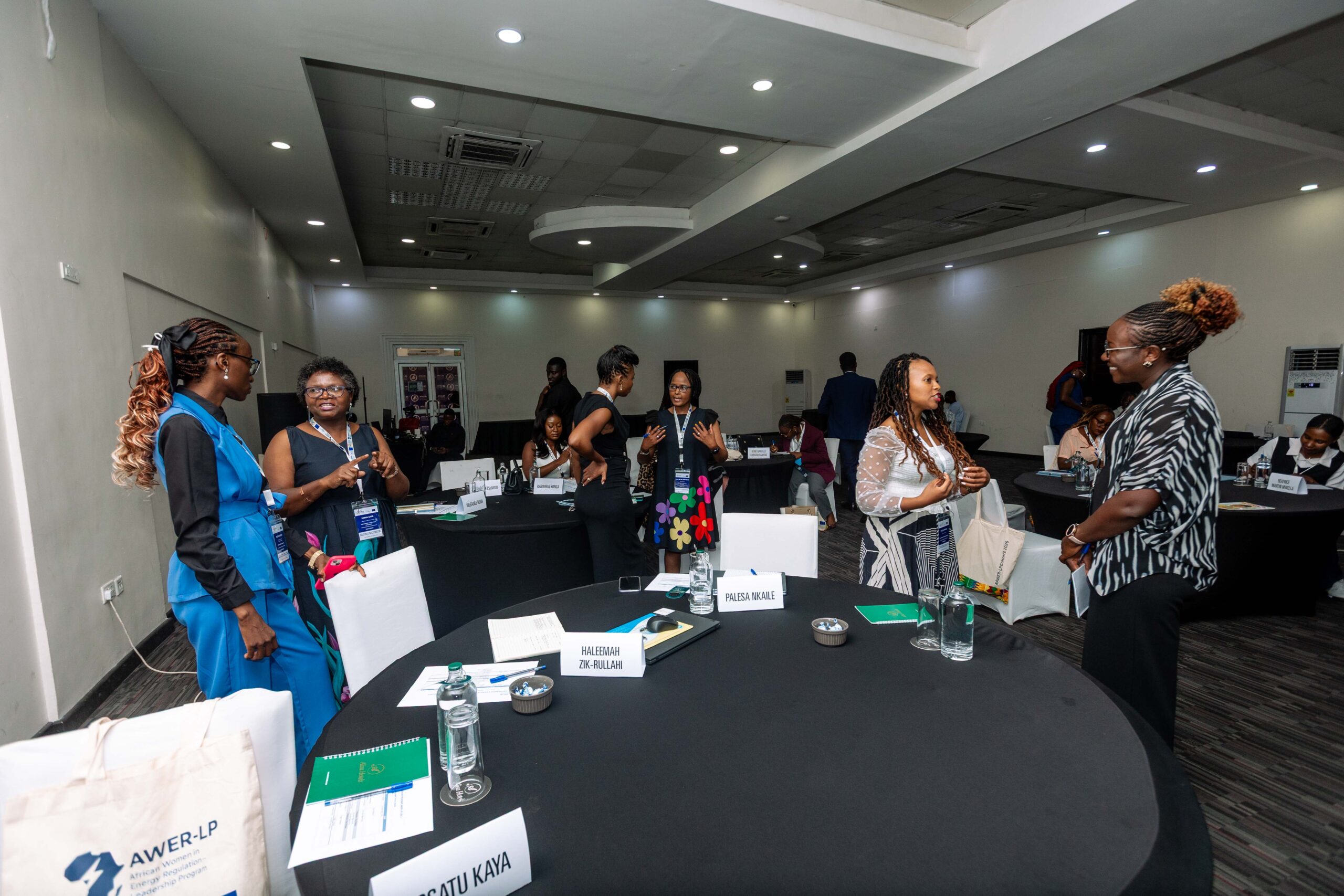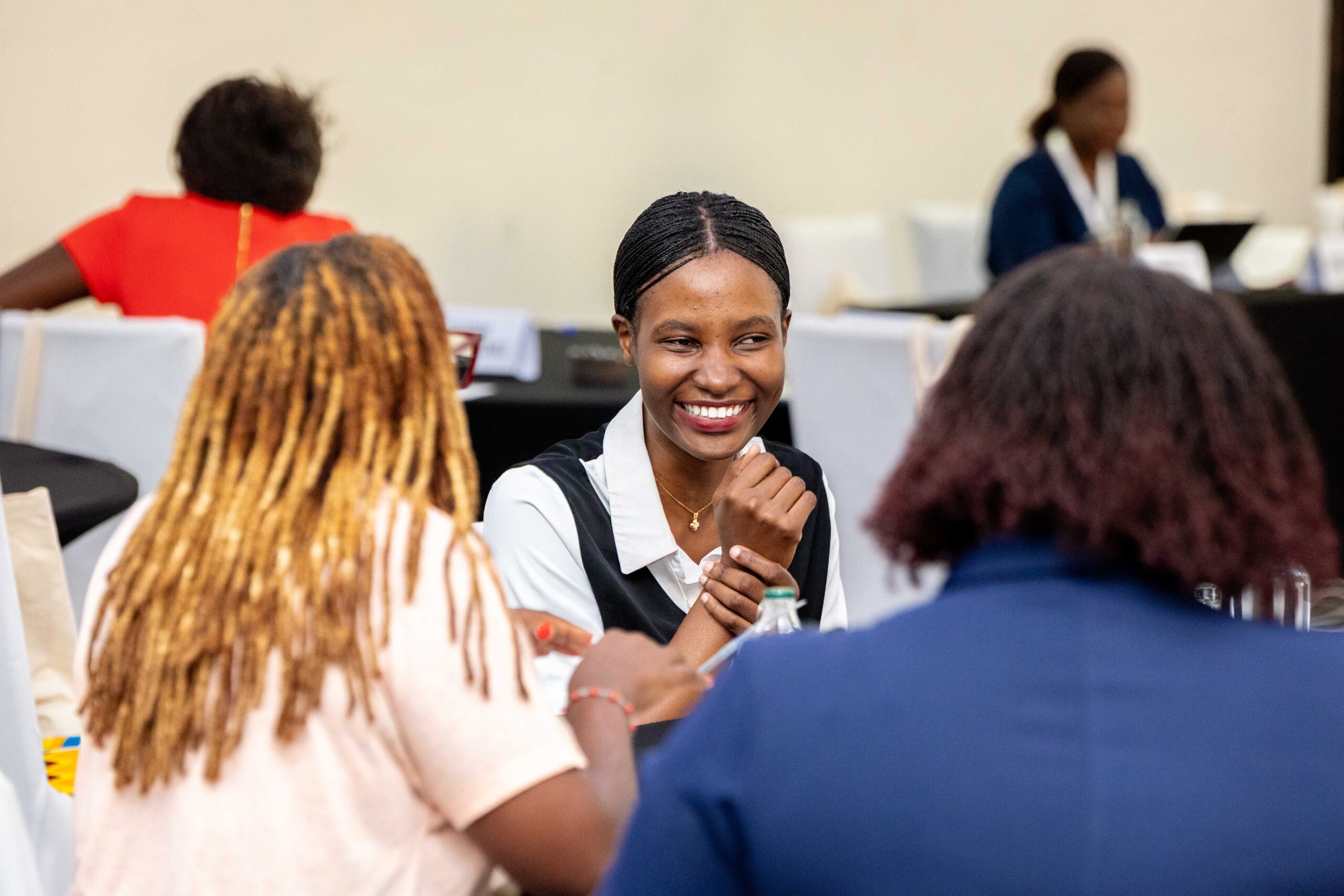

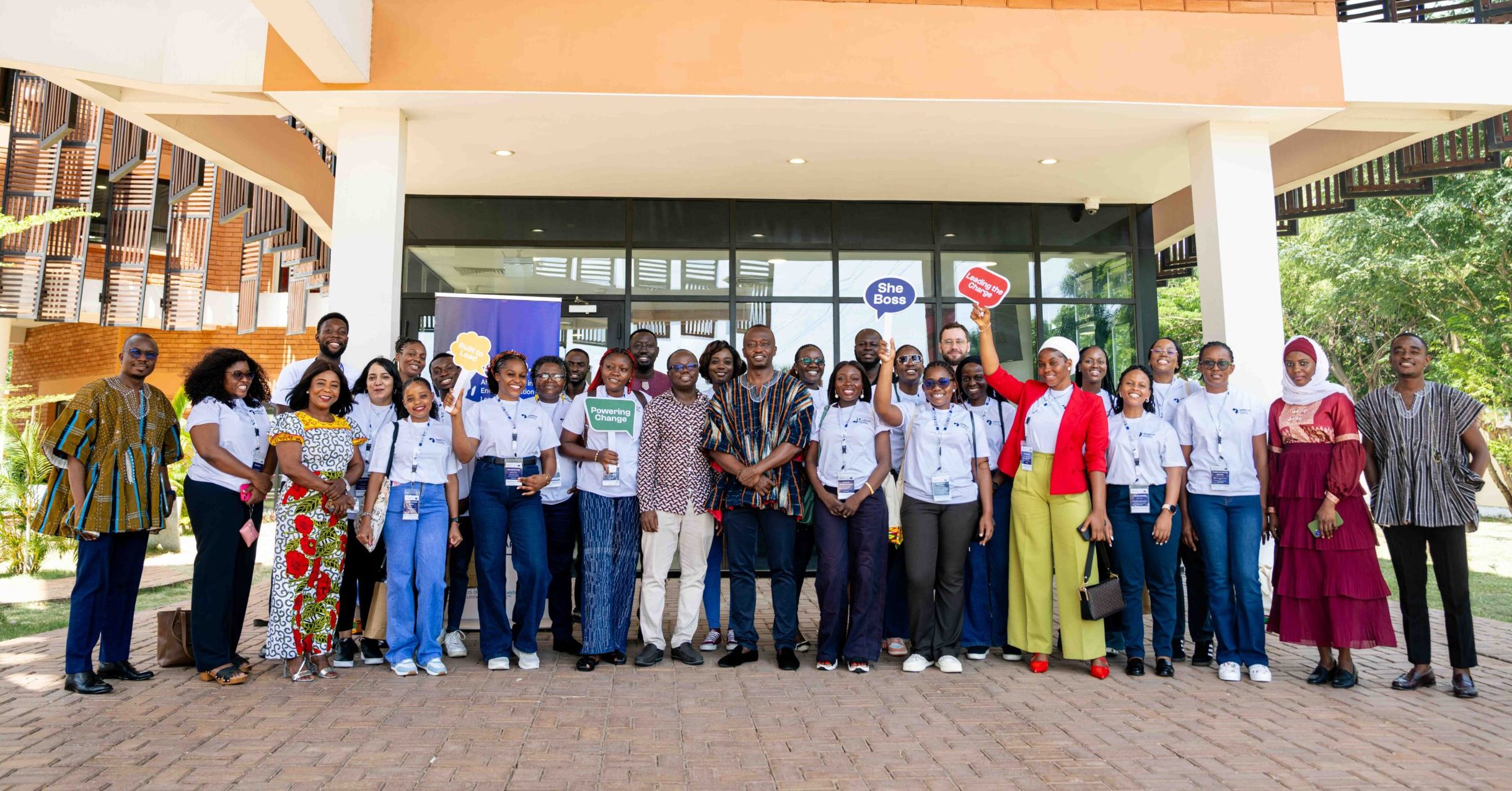
The African School of Regulation (ASR), in partnership with GET.transform, convened 35 women from across 15 African countries in Accra for the second cohort of the African Women in Energy Regulation – Leadership Programme (AWER-LP).
Bringing together regulators, engineers, lawyers, policymakers, and energy professionals for two weeks of trainings, the programme continues to build a growing network of women contributing to the future of energy regulation across the continent. An earlier cohort of 30 African women energy leaders had already completed the programme in November of last year.
The initial online week had introduced participants to core concepts and engaged in expert-led sessions designed to build a shared foundation. The virtual component opened with remarks from H.E. Ms Lerato Dorothy Mataboge, African Union Commissioner for Infrastructure and Energy, who underscored the importance of leadership in shaping Africa’s energy future:
“Africa’s energy agenda is not only a technical transformation, but also a leadership transformation. In a sector as critical as energy, the quality of governance determines whether ambition becomes delivery.”
Throughout the online sessions, participants explored key themes and began building connections across countries and professional backgrounds. The virtual component also featured contributions from international experts, including a session led by the Florence School of Regulation (FSR) on inclusive regulatory leadership and systems change. The session brought together FSR representatives and global panellists from leading regulatory institutions, who shared perspectives on mentorship, leadership, and strengthening gender-inclusive governance in energy regulation.
Building on this foundation, participants convened in Accra, where the in-person experience brought the learning to life. The week opened with remarks from Dr. Abdulkadir Shettima, Executive Director of the African School of Regulation, alongside the Course Director Engr. Carol Ofafa and Lucas Kürten, Advisor on On- and Off-Grid Regulation and Market Development at GET.transform, reinforcing a shared commitment to strengthening regulatory capacity and leadership across Africa’s energy sector.
Over the course of the week, participants engaged in expert-led sessions and case study discussions covering key areas such as power systems, electrification frameworks, investment decision-making, and the integration of renewable energy. These sessions provided practical insights grounded in the realities of Africa’s evolving energy landscape.
A defining feature of the programme was its mentorship component, which created space for open, candid conversations and peer learning. Participants engaged with a distinguished group of mentors, including Ing. Eunice Biritwum, former Commissioner at the Energy Commission of Ghana; Ifey Ikenou and Eunice Potani, members of the ASR Board; Lucas Kürten, representing GET.transform; Carol Ofafa, Course Director of AWER-LP; and Zita Ohikere, Digital Lead at the African School of Regulation.
Through these sessions, mentors shared practical insights, offering guidance on leadership, career growth, and navigating the complexities of the energy sector.
What distinguishes AWER-LP is its integrated approach combining technical training, real-world application, and mentorship to equip participants not only with knowledge, but with the confidence and networks needed to lead in complex regulatory environments.
Reflecting on the experience, participant Keleadile Ruda, founder of Women in Energy Botswana, shared:
“Coming from a technical background, the reinforcement of concepts around power systems and specifically diving into the African context was paramount in developing solutions to real-life problems. I realized through learning on energy trading and wholesale electricity markets that, as professionals, we require a holistic understanding of power systems to make informed, data-driven decisions on energy regulation.
I was also very impacted by the group mentorship sessions. The mentors were incredible in sharing their lived experiences and held nothing back. This opened our eyes to seeing that the challenges we face as young women energy leaders can be overcome. The mentorship aspect of AWER-LP has been life-changing.”
Another participant Beatrice Mwella from Tanzania, an Energy Intelligence Intern at Sustainable Energy for All (SEforALL), reflected on the broader impact of the programme:
“The most valuable impact of the programme has been the shift in perspective it has given me both in how I understand energy regulation and how I see my role within it. Learning alongside experienced women from across Africa has been both grounding and deeply inspiring.”
Beyond the technical sessions, the in-person week fostered a strong sense of community, marking another step in strengthening a continent-wide network of women shaping the future of energy regulation. As Africa’s energy systems continue to evolve, initiatives like AWER-LP play a critical role in ensuring that women are not only part of the conversation but leading it.