


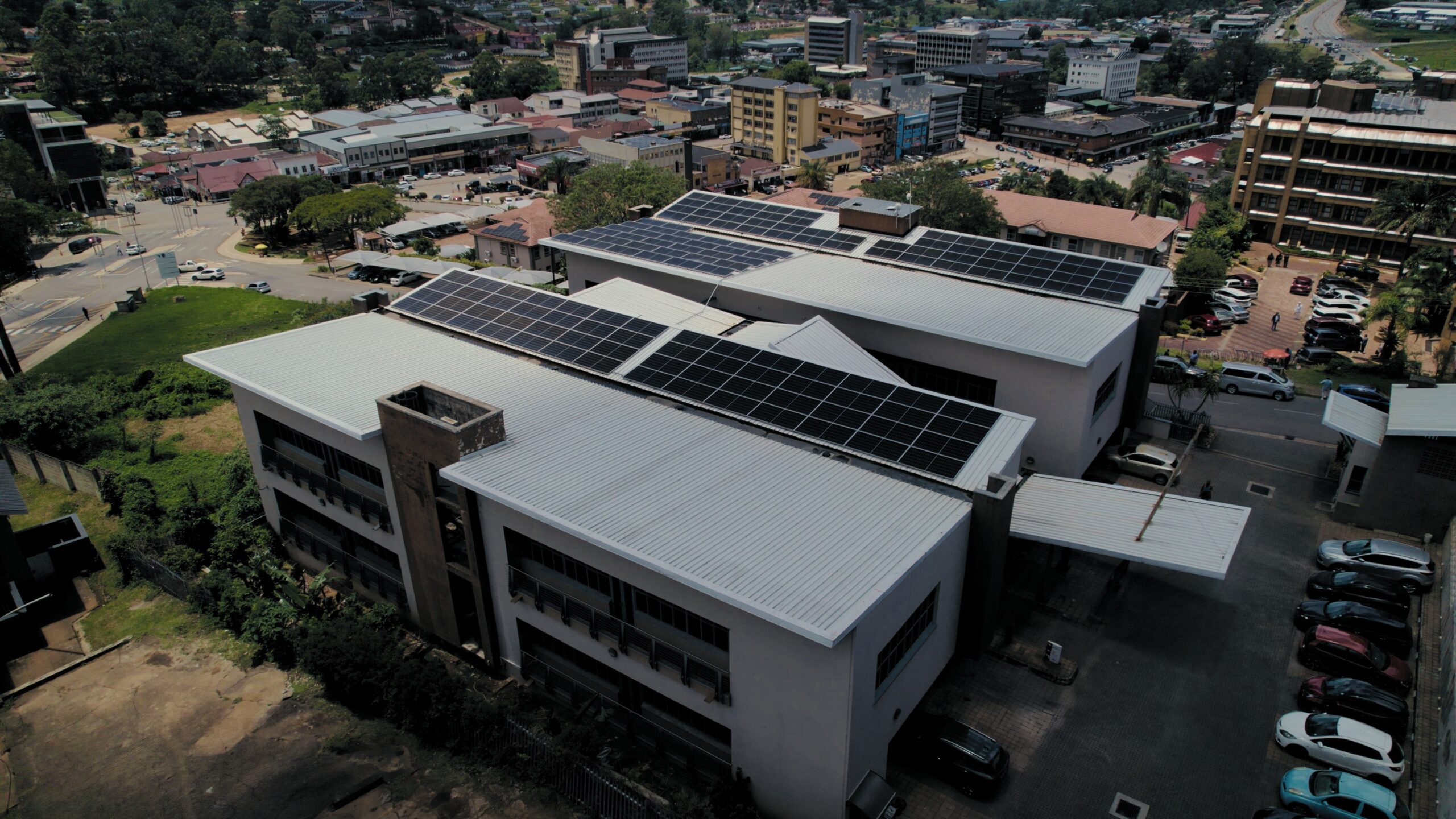
As distributed generation (DG), particularly rooftop solar PV systems, continues to expand across Africa, understanding its impact on national electricity systems becomes increasingly important. To support evidence-based policy and regulatory discussions, GET.transform, together with EnergyNautics and Sustainable Energy Africa (SEA), has developed an easy-to-use, Excel-based dispatch model as part of the Policy Catalyst DG Window.
The tool enables stakeholders to assess how behind-the-meter distributed generation influences the overall electricity balance of national power systems. Using historic generation data and weather profiles, the model simulates hourly electricity system operations over a full year for ten countries: Lesotho, Eswatini, Namibia, Mozambique, Madagascar, Kenya, Uganda, Liberia, Senegal, and Zimbabwe. Through this simulation, the model examines the overall system behavior and ensures that electricity demand is met by available generation, storage, and cross-border electricity imports.
The model captures important operational dynamics, including the variability of renewable energy sources (vRE), the growing contribution of distributed generation, and the role of cross-border electricity trade within interconnected power systems. It also allows users to adjust demand patterns and renewable generation profiles, providing flexibility for varying scenarios and different country contexts.
Designed as a practical and accessible analytical tool, the model focuses on system-level operational dynamics and flexibility. At the same time, it intentionally excludes detailed economic analysis, environmental impacts, grid constraints, outage modelling, and individual generator dispatch decisions. For more detailed dispatch or power system analysis, more advanced tools may be used.
By providing a simplified yet robust way to analyze the system impacts of distributed generation, the tool supports regulators, utilities, and policymakers in exploring how growing levels of self-generation interact with national electricity systems and regional power markets. Complemented by regulatory technical assistance and targeted trainings on key building blocks, such as distributed generation (DG) tariffs, bidirectional metering, and grid impact assessment, it also helps strengthen institutional capacity. In this way, countries can feel more confident and better equipped to manage the increasing penetration of DG systems within their networks. As DG continues to scale across the continent, such combined analytical and capacity-building efforts can play an important role in informing policy development, regulatory planning, and power system operation in a rapidly evolving energy landscape. The DG Window is also in the process of onboarding five new countries, which will further expand the reach and impact of this support.