
Eastern Africa is taking a significant step toward launching cross-border electricity trade, as regional stakeholders intensify efforts to establish a strong and coherent regulatory framework.
At the centre of this progress is a three-day workshop convened by the Independent Regulatory Board (IRB) of the Eastern Africa Power Pool (EAPP). The workshop brings together regulators and technical experts to refine the rules that will govern a future regional electricity market, which is essential for improving energy security, reliability, and sustainability across participating countries.
The workshop is supported by the African Development Bank (AfDB) and GET.transform programme through ENGAGE. The “Accelerating the Energy Transition in Africa – ENGAGE” project is funded by the German Federal Ministry of Economic Cooperation and Development (BMZ) and focuses on strengthening regulatory systems to unlock renewable energy investments and expand access to clean electricity.
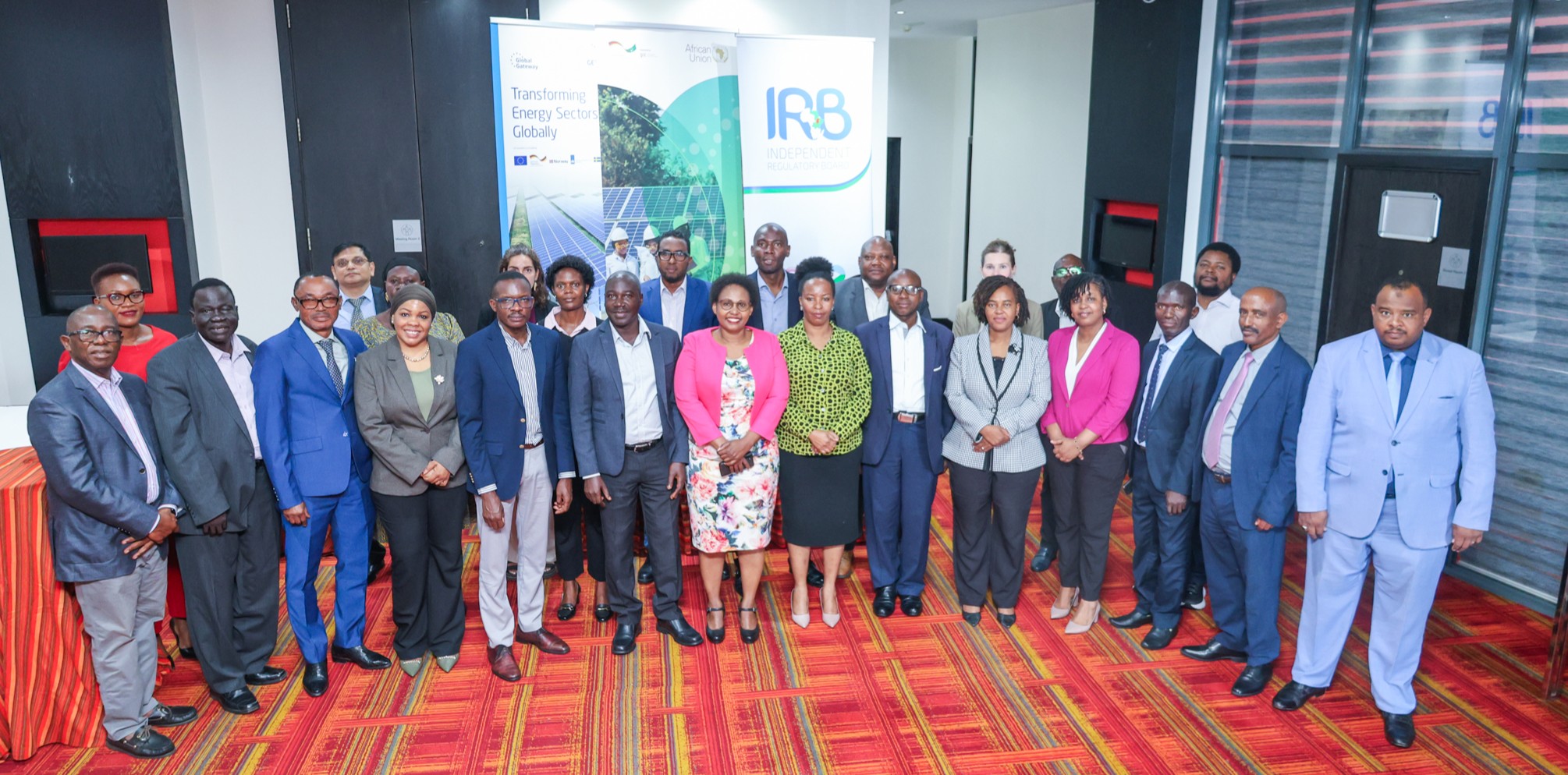
Around 25 IRB representatives from EAPP member states, including Uganda, Egypt, Somalia, South Sudan, Tanzania, Kenya, and Burundi, are actively contributing to the planning. Their objective is to ensure that the emerging regulatory guidelines are not only technically sound but also practical and enforceable across borders.
Central to the process is harmonising the initial draft for a comprehensive regulatory package. The proposed framework addresses critical areas such as rules for cross-border electricity trading, market oversight mechanisms, grid access conditions, and a sanctions regime to uphold compliance.
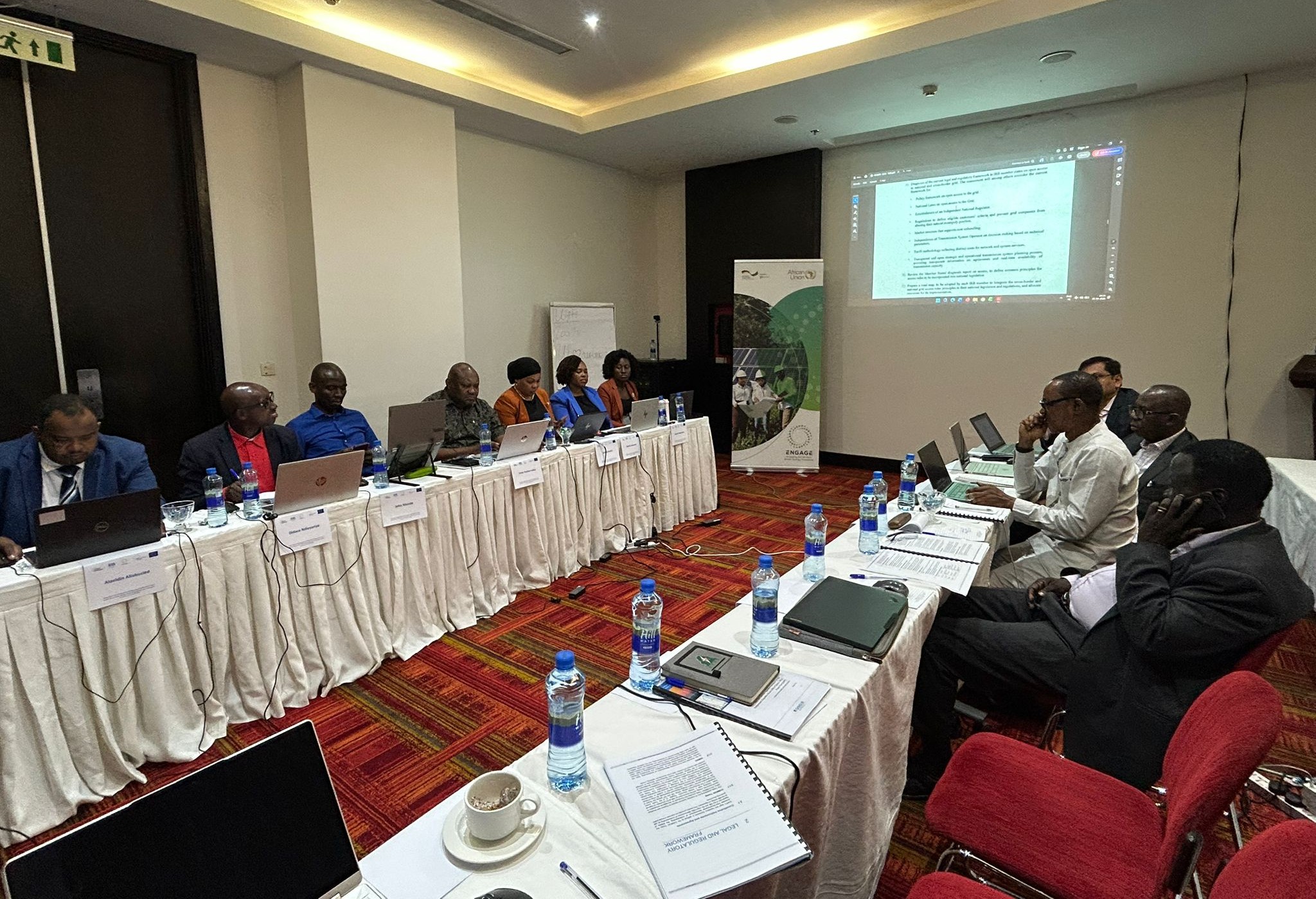
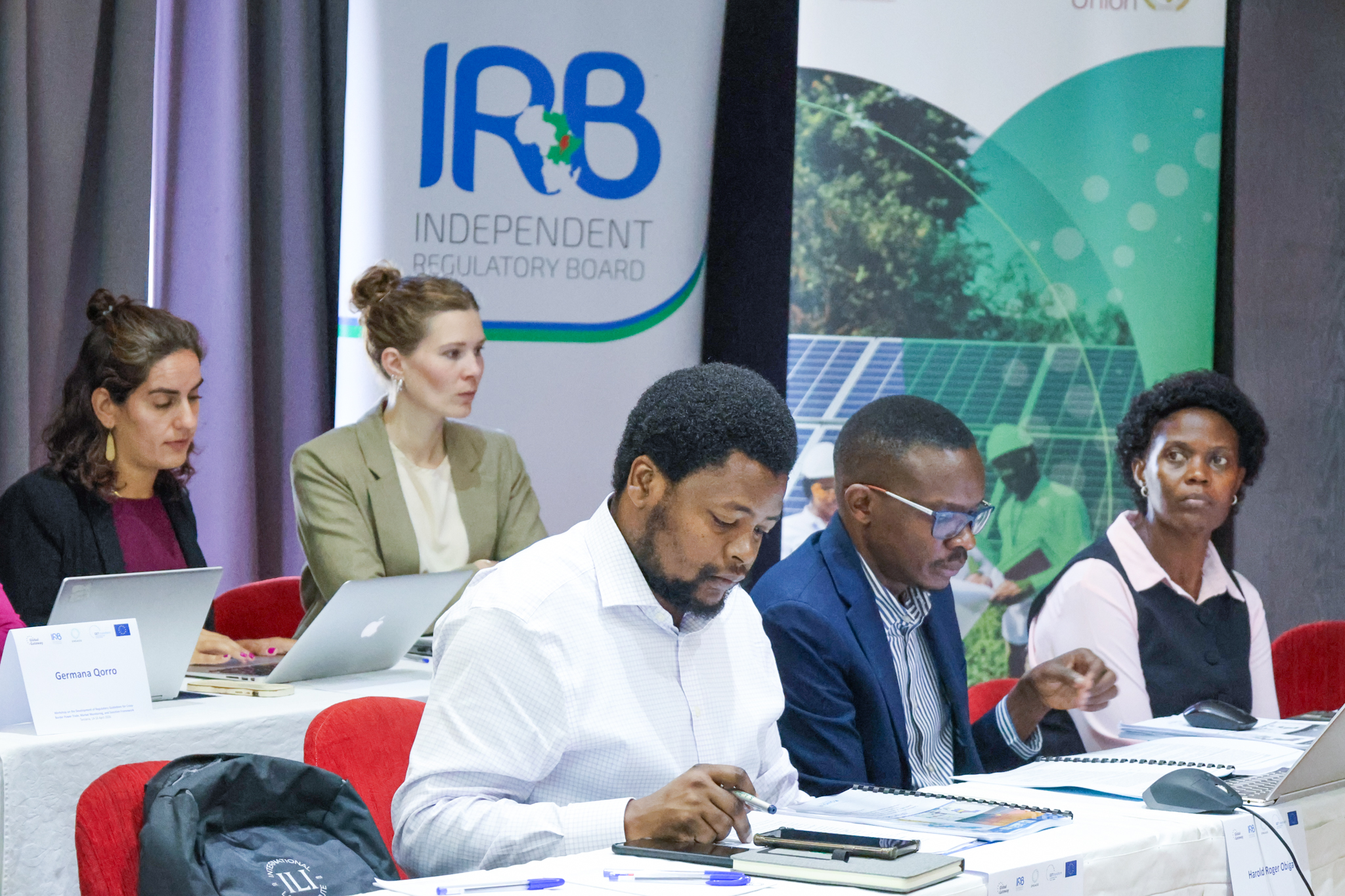
During the sessions, participants examined the draft components in detail, offering targeted feedback on both content and scope. These exchanges helped clarify expectations, resolve outstanding issues, and establish a shared understanding among all parties involved.
The workshop has resulted in a clear roadmap for the next phase of work. Incorporating the input received, the team will now revise and expand the draft guidelines. A follow-up meeting is expected within the coming months to assess progress and review updated proposals.
Once adopted, the framework will serve as a cornerstone for regional power trade, helping to create a more integrated, transparent, and resilient electricity market, advancing Eastern Africa’s transition toward a sustainable energy future.