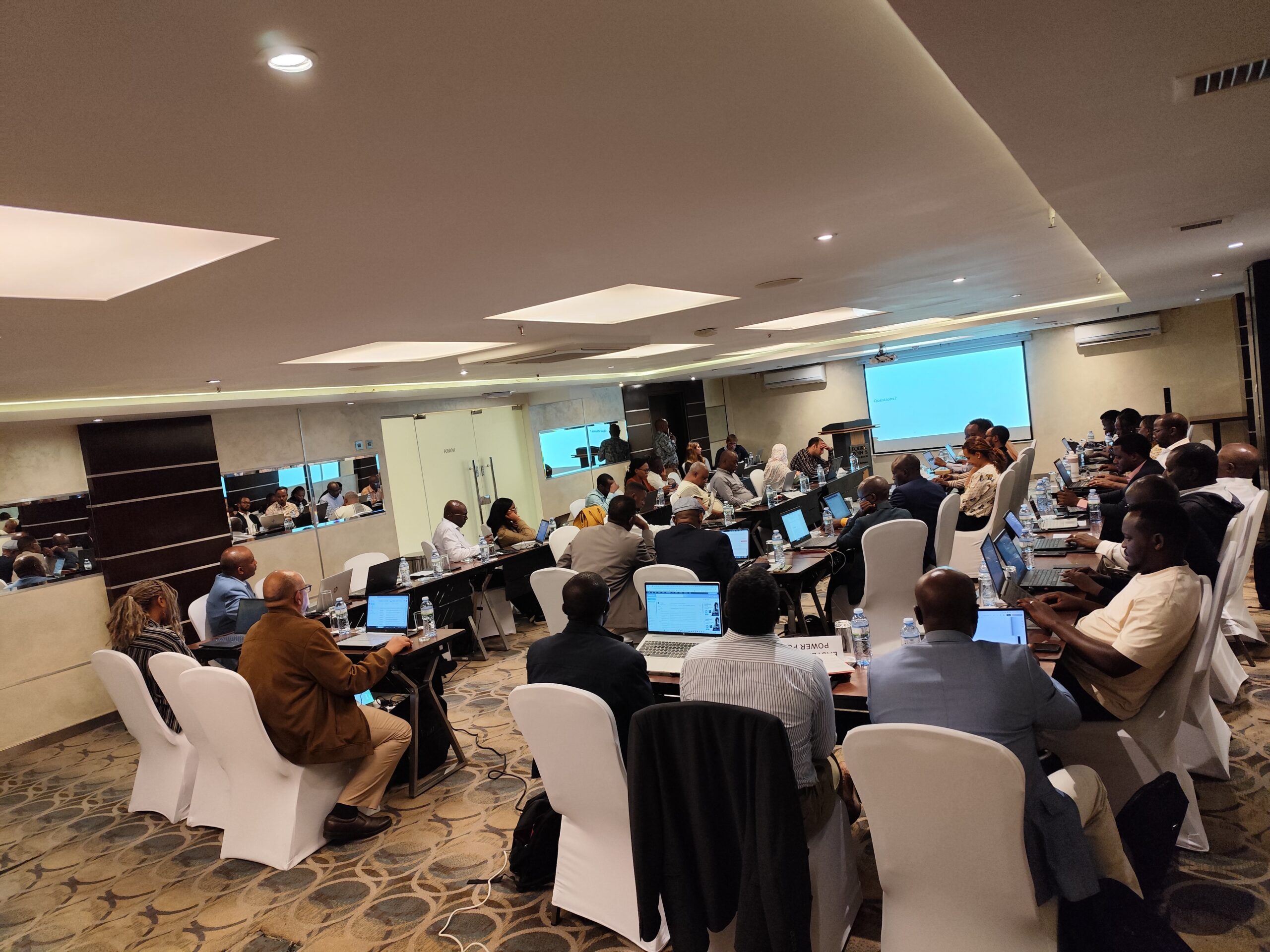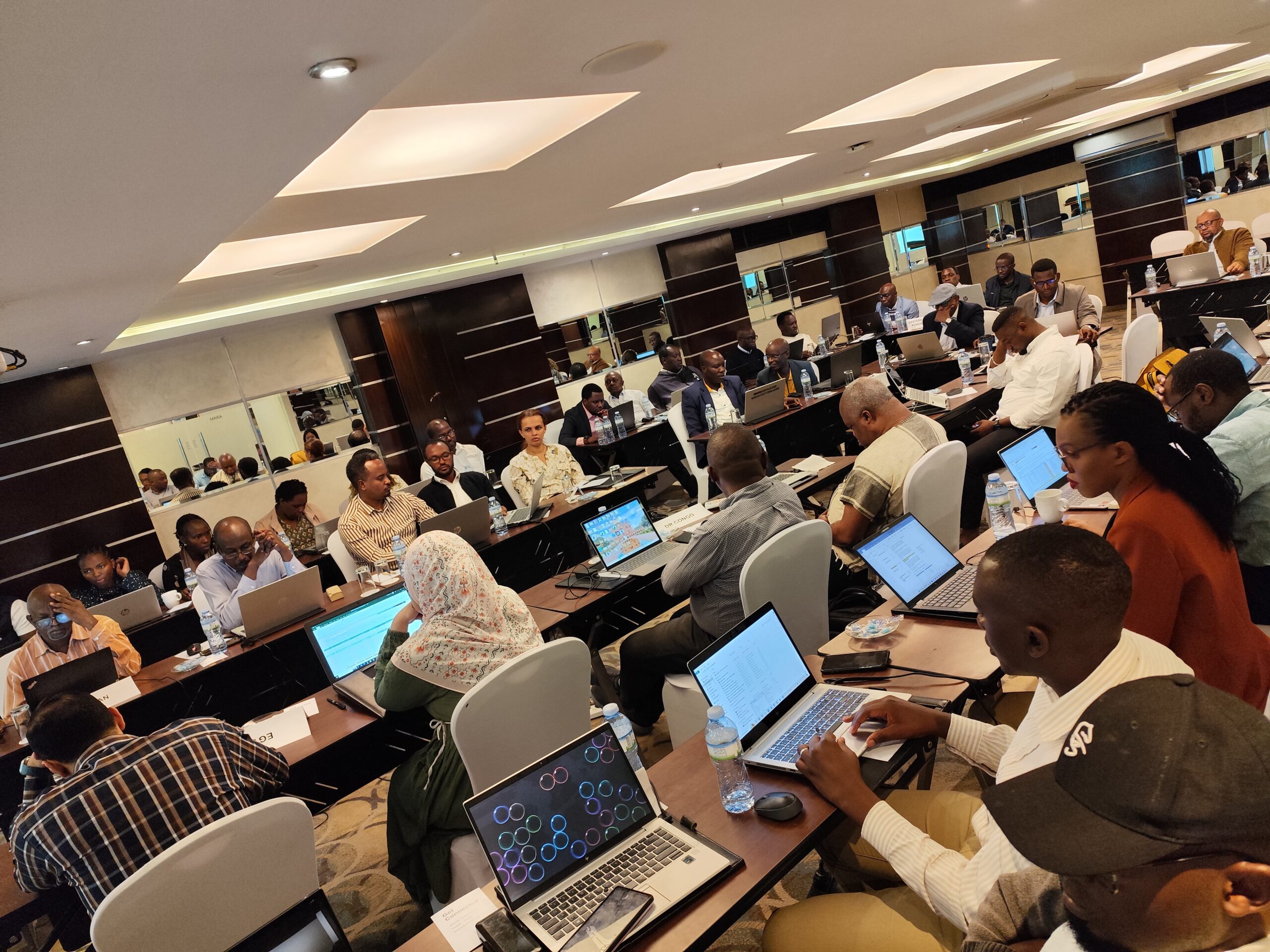

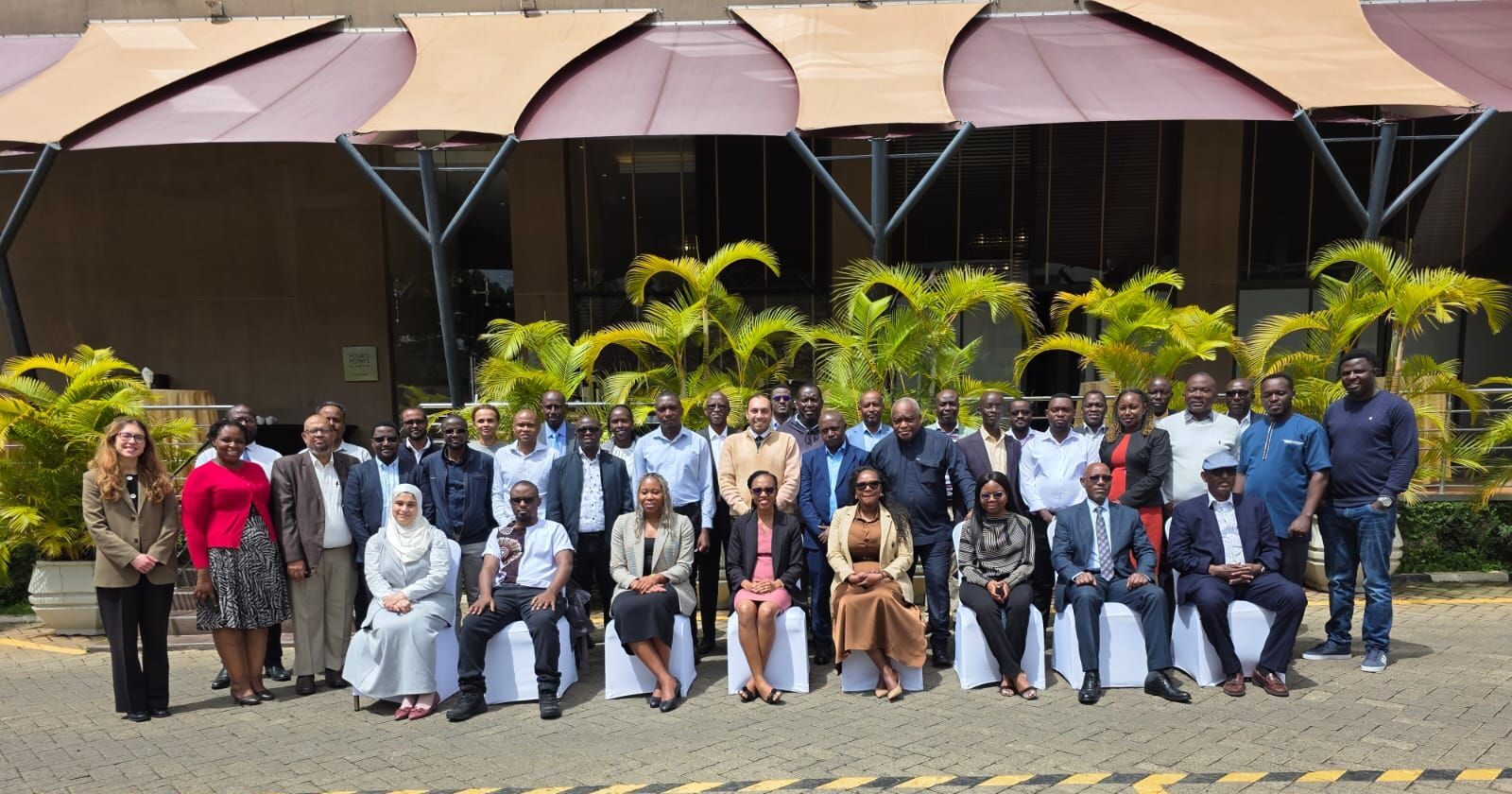
Across Eastern Africa, a fundamental shift is underway. Energy planning is moving beyond separate national approaches towards interdependent, data-driven regional strategies. From 20-24 April 2026, this shift was tangible in Nairobi, Kenya, where energy planners, technical experts, and regional institutions convened for the fifth and final workshop of Phase 1 of the Eastern Africa Regional Model Analysis & Planning Support Programme. Organised by the Eastern African Power Pool (EAPP) in partnership with international and regional partners including International Renewable Energy Agency (IRENA), African Union Development Agency (AUDA-NEPAD), the World Bank, and the Islamic Development Bank, the training forms an essential milestone in boosting long-term energy planning across the region.
The workshop concluded nearly two years of collaboration among 13 national modelling teams and provided advanced, hands-on training to over 50 power planning engineers and experts. Participants focused on translating national policy targets into practical, cost-efficient electricity pathways using the SPLAT-MESSAGE framework, applying to the development of robust and harmonised regional electricity scenarios. As part of a broader capacity-building effort, the programme aims to strengthen institutional capabilities for long-term energy planning across the EAPP region. It directly contributes to the operationalisation of the African Single Electricity Market (AfSEM) and upholds alignment with continental initiatives such as the Continental Power Systems Master Plan (CMP).
This capacity building week featured a series of hands-on technical sessions, covering the harmonisation of national cases within a regional modelling architecture aligned with the CMP, developing and comparing alternative regional power supply pathways, and designing sensitivity analyses to test system robustness. Participants also engaged in the interpretation of modelling outputs to inform investment planning decisions, including generation expansion, transmission development, and cross-border electricity trade. Discussions underscored the importance of sustained technical support, strong institutional ownership, and effective regional coordination in advancing Africa’s energy transition.
In particular, GET.transform contributed to the training through an expert presentation under the Accelerating the Energy Transition in Africa (ENGAGE) project. Drawing on its experience supporting the Southern African Power Pool (SAPP), GET.transform highlighted the ongoing update of the Generation and Transmission Master Plan (2025–2045) as a successful example of how regional planning, capacity building, and market development can reinforce one another to build investment-ready project pipelines and strengthen regional electricity markets.
The overall outcome of the EAPP training encourages a broader vision in how energy planning is conducted across the region, advocating for greater coherence, reduced fragmentation, and increased confidence in decision-making processes. As regional modelling frameworks continue to mature, they are expected to play a central role in guiding investment and supporting the long-term development of resilient electricity systems across Eastern Africa.