
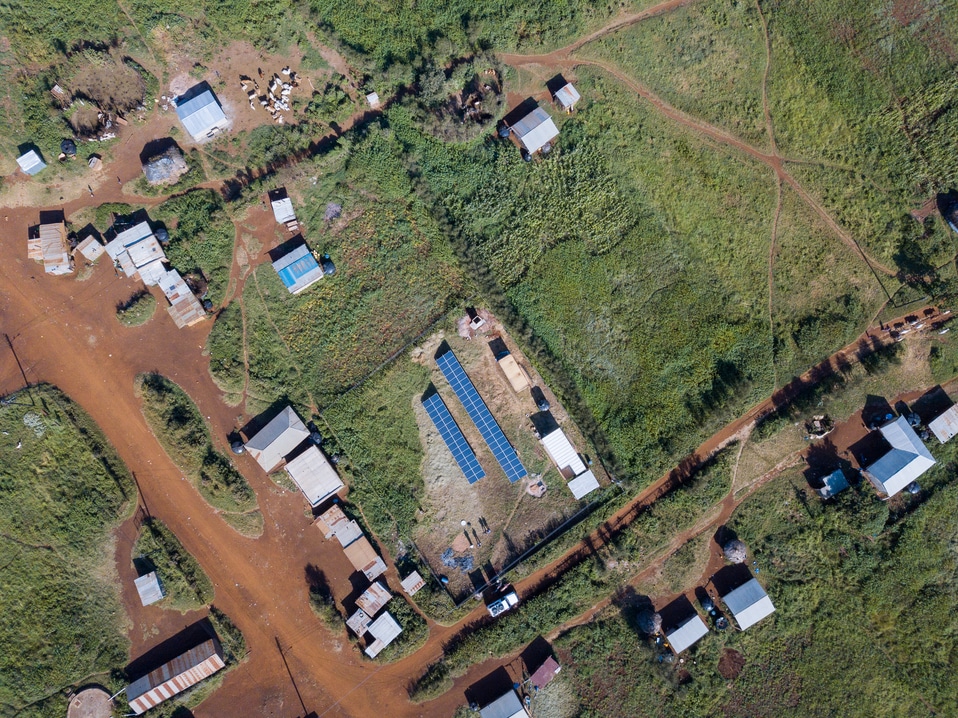
Reliable and scalable electrification is crucial for Africa’s development and economic growth. Mini-grid infrastructure technology remains the most capital efficient solution to electrify unserved populations in Sub Saharan Africa and has evolved rapidly over the last two decades. These small-scale distributed power generation and distribution systems provide energy access in remote areas with no or limited access to the main power grid or where the cost of extending the grid is prohibitive. However, for companies and investors to build mini-grids at scale, governments must also create regulatory reliability, incentives, and fast processing and decision-making frameworks.
The latest of GET.transform´s Impact Case Studies focuses on the African Model Mini-Grid Regulation Tool, a pioneering resource for mini-grid regulation building entrenched in regional and international best practices. The development was driven by the African Forum of Utility Regulators (AFUR) in partnership with GET.transform and African Union Commission (AUC). The process included stakeholder consultations, sector and peer reviews leading to its widespread adoption and institutionalisation by key development partners and organisations.
First adoption results demonstrate that a more rapid roll out of the Tool is imperative.
A strong and harmonised regulatory foundation is key to achieving the goal of electrifying millions. The African Model Mini-Grid Regulations Tool offers a viable route to overcome inconsistent and fragmented regulatory frameworks to accelerate electrification in Africa.