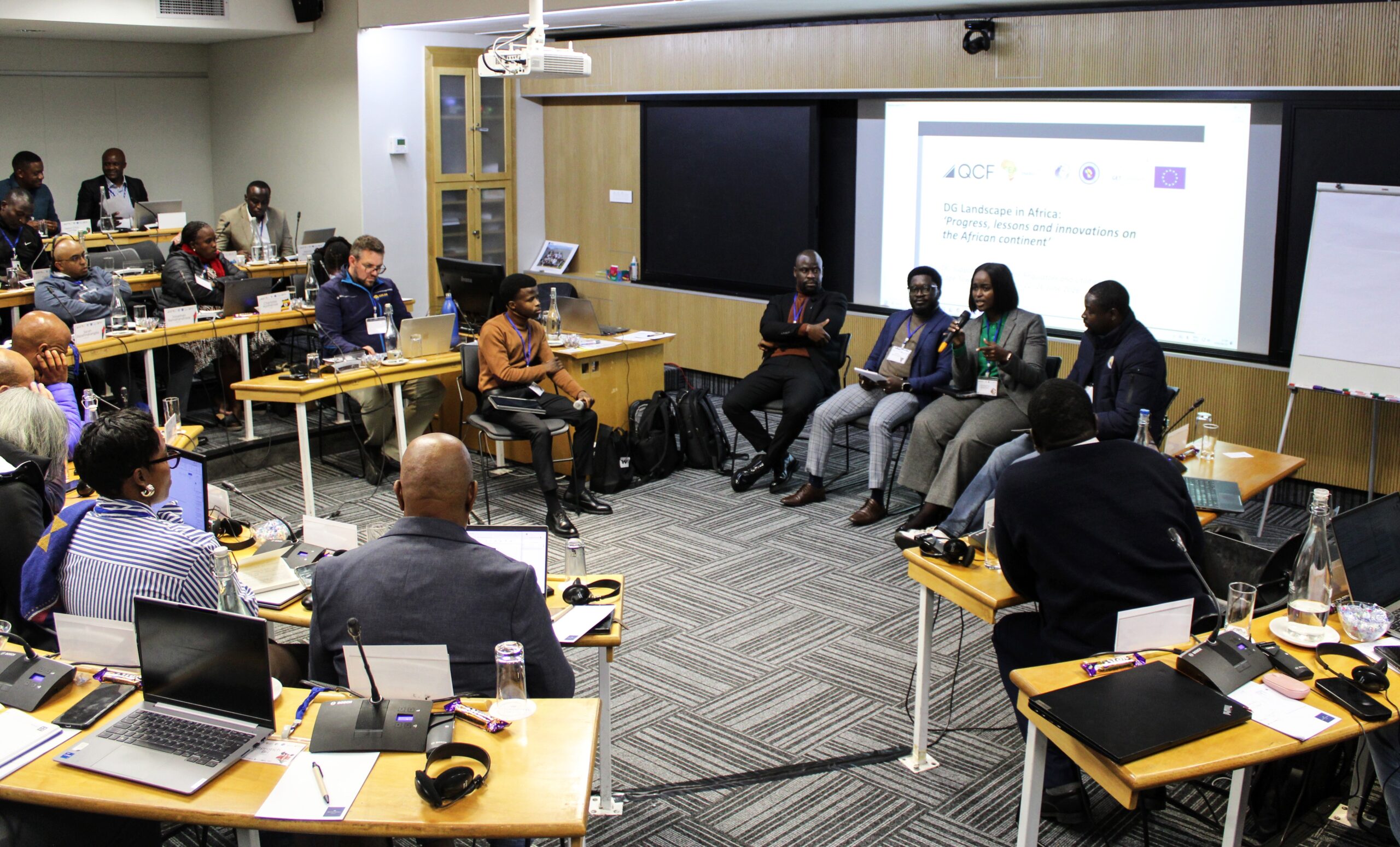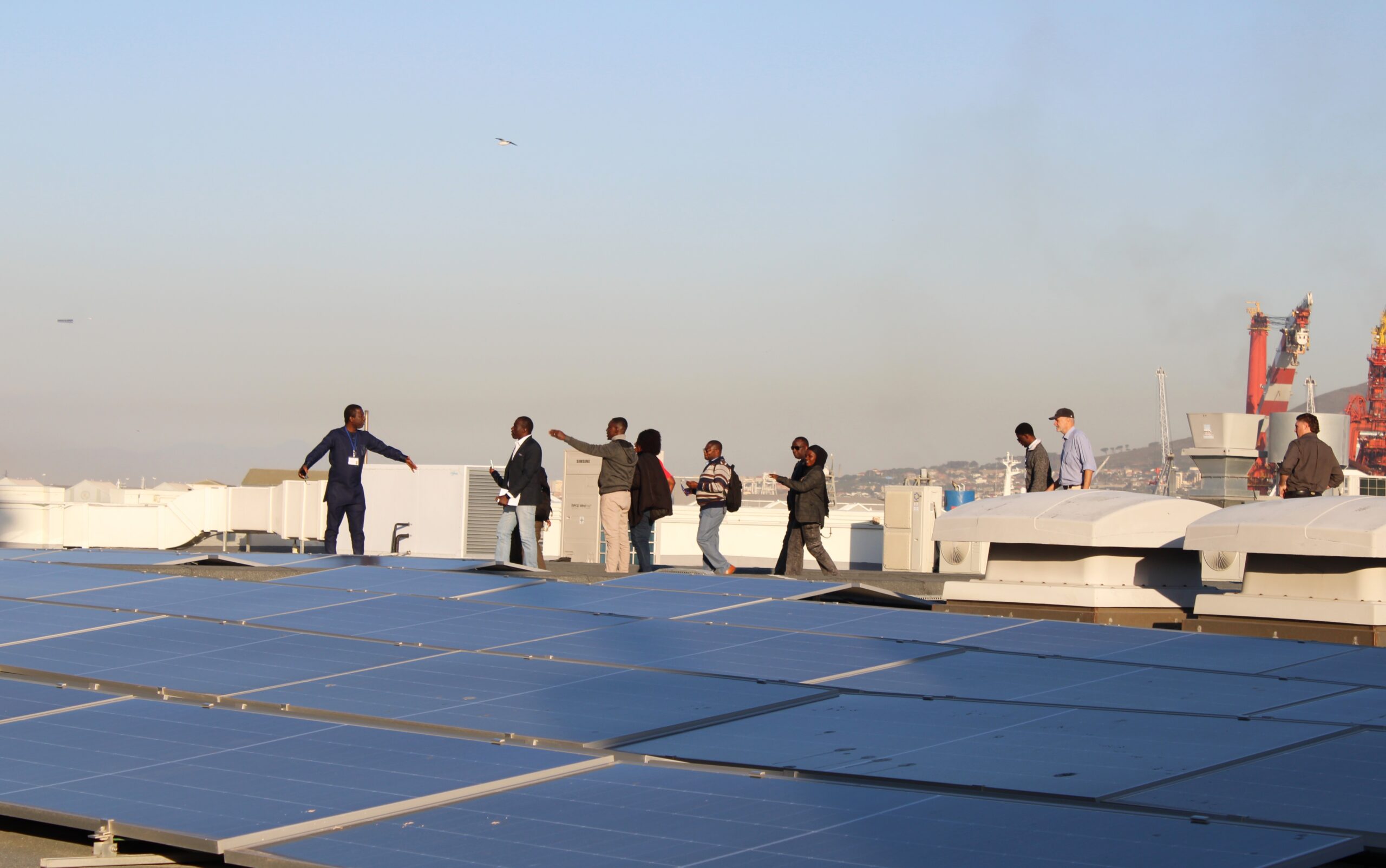

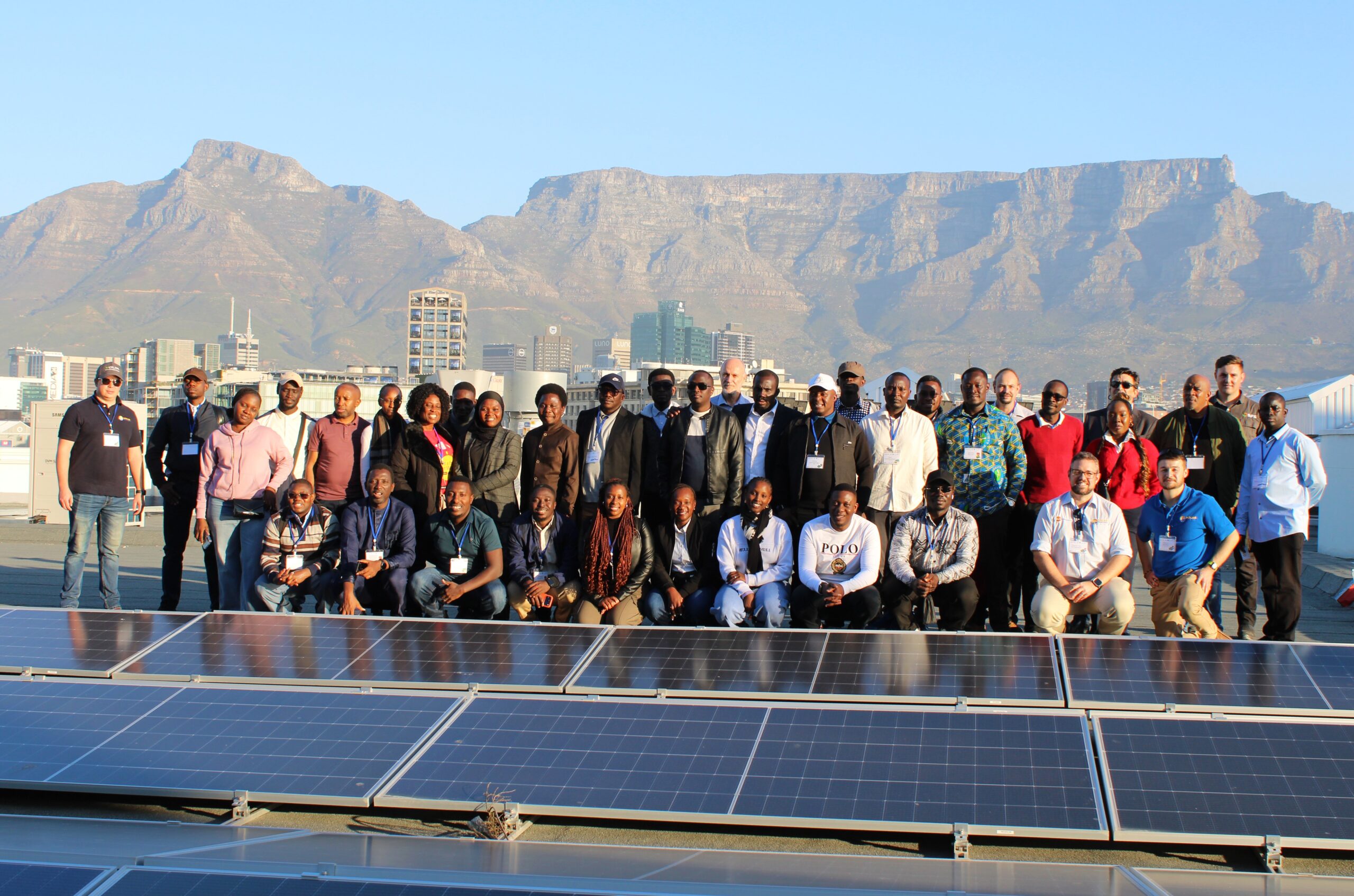
With South Africa, Ghana, The Gambia, Rwanda and Zambia, five new African nations have joined the Policy Catalyst Distributed Generation (DG) Window for Utilties and Regulators, significantly broadening the programme’s reach and impact. Comprising the past and present cohort, a total of fourteen countries came together for the latest workshop in Cape Town, South Africa to exchange on effective ways to accelerate DG across the continent.
The programme, which was initiated by GET.transform in 2024 in partnership with Sustainable Energy Africa (SEA), the African Forum of Utility Regulators (AFUR) and the Association of Power Utilities in Africa (APUA) also welcomed a new partner enabling the new cohort work: the Quadrature Climate Foundation (QCF). The Window provides a key platform for peer learning by uniting countries at different stages in their distributed generation journey to strengthen both regulatory and utility readiness.
Compelling panel discussions explored regulatory approaches and utility implementation, providing participants with a diverse range of perspectives and practical examples from across Africa. Participants learned from real-world experiences to advance the development of effective policies and regulatory frameworks to support the integration of distributed generation.
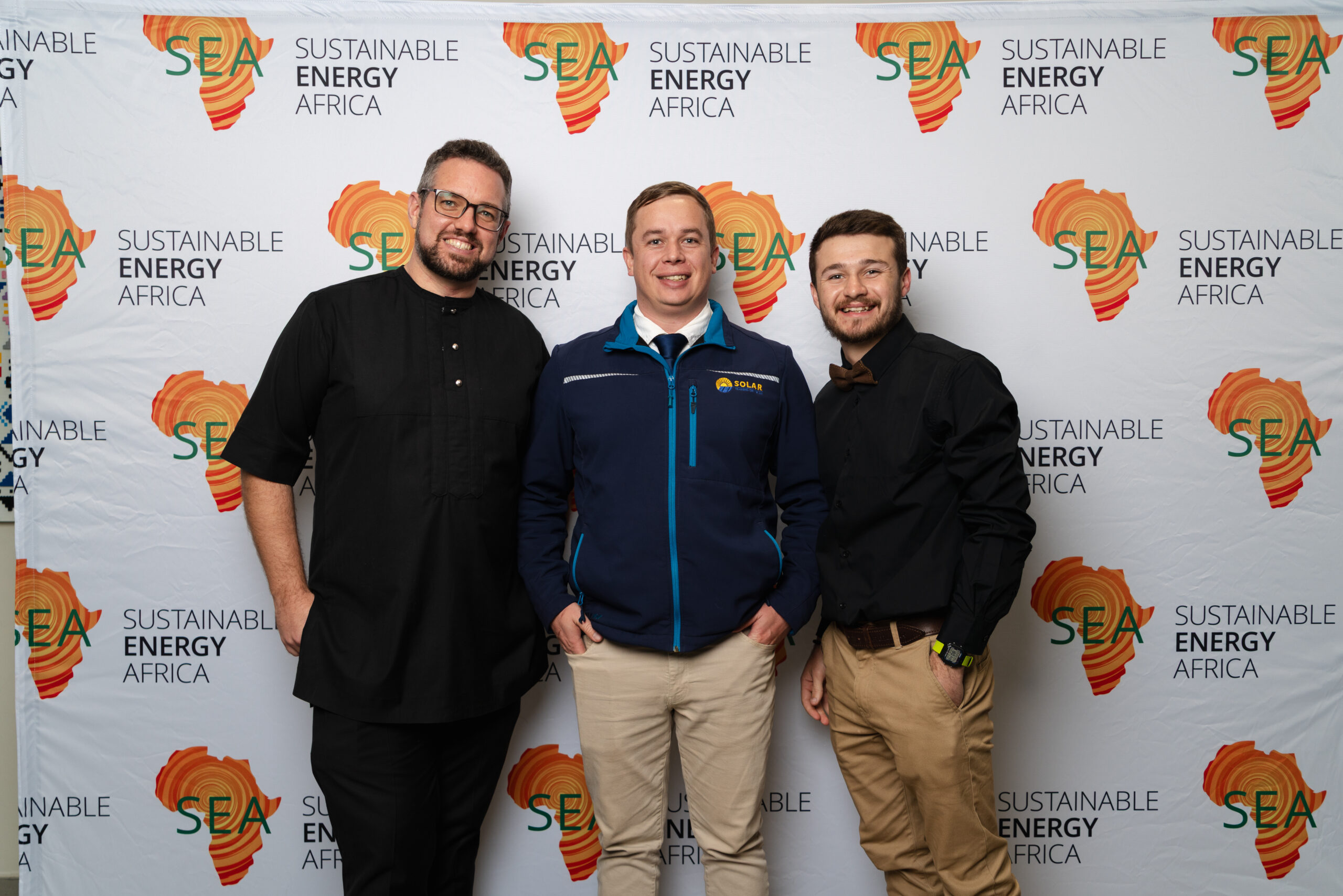
A Networking Dinner celebrated significant progress made by partner countries. Namibia, Eswatini and Liberia all received awards recognising their significant efforts made in advancing distributed generation policy and implementation.
Many outstanding developments across the continent were shared. In Liberia, net metering rules validated at a stakeholder workshop in May are expected to be published next month. Ghana is launching a net metering programme in July with newly developed draft permitting requirements, technical standards and connection criteria. Rwanda also presented and further refined its draft net metering rules at the workshop, with publication scheduled for August. Elsewhere, Zimbabwe has recently validated its technical standards and connection criteria for distributed generation while Senegal is progressing with the validation and refinement of its energy requirements with the Senegal National Electricity Agency (SENELEC), to be finalised by October. In the Gambia, net metering rules are being revised with the support of the DG Window and are scheduled to be republished by December.
The Cape Town workshop highlights the DG Window’s growing impact in supporting Africa’s energy transition. An increasing number of African countries continue to advance towards a common goal– implementing renewable energy solutions in their communities to build a more sustainable future for the continent.