
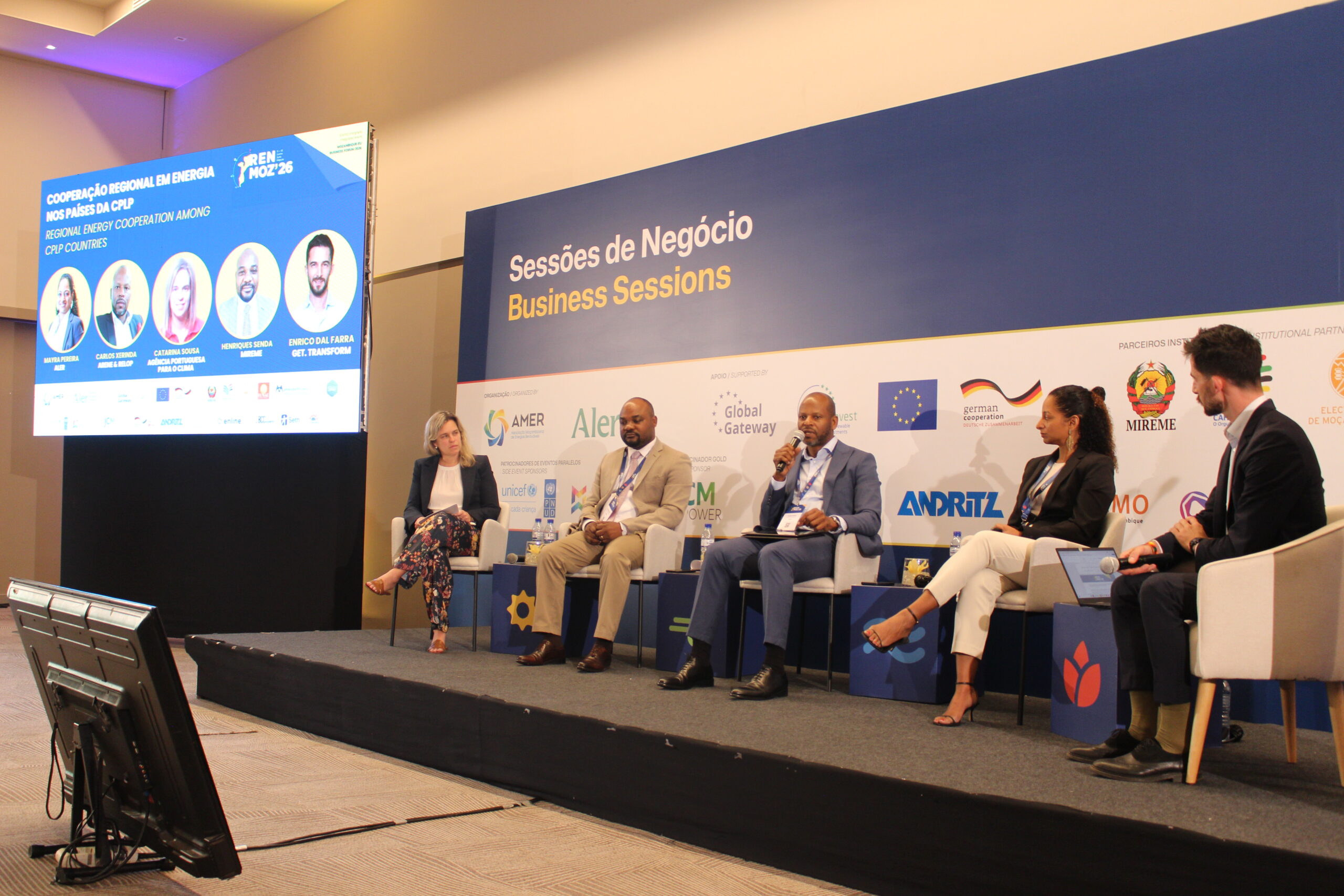
Last week, Maputo hosted the 5th edition of the Renewables Mozambique (RENMOZ 2026), as part of the EU-Mozambique Global Gateway Business Forum, bringing together developers, investors, policymakers, and international partners to advance the country’s energy transition. GET.transform contributed to two substantive sessions that addressed both national investment priorities and broader regional cooperation.
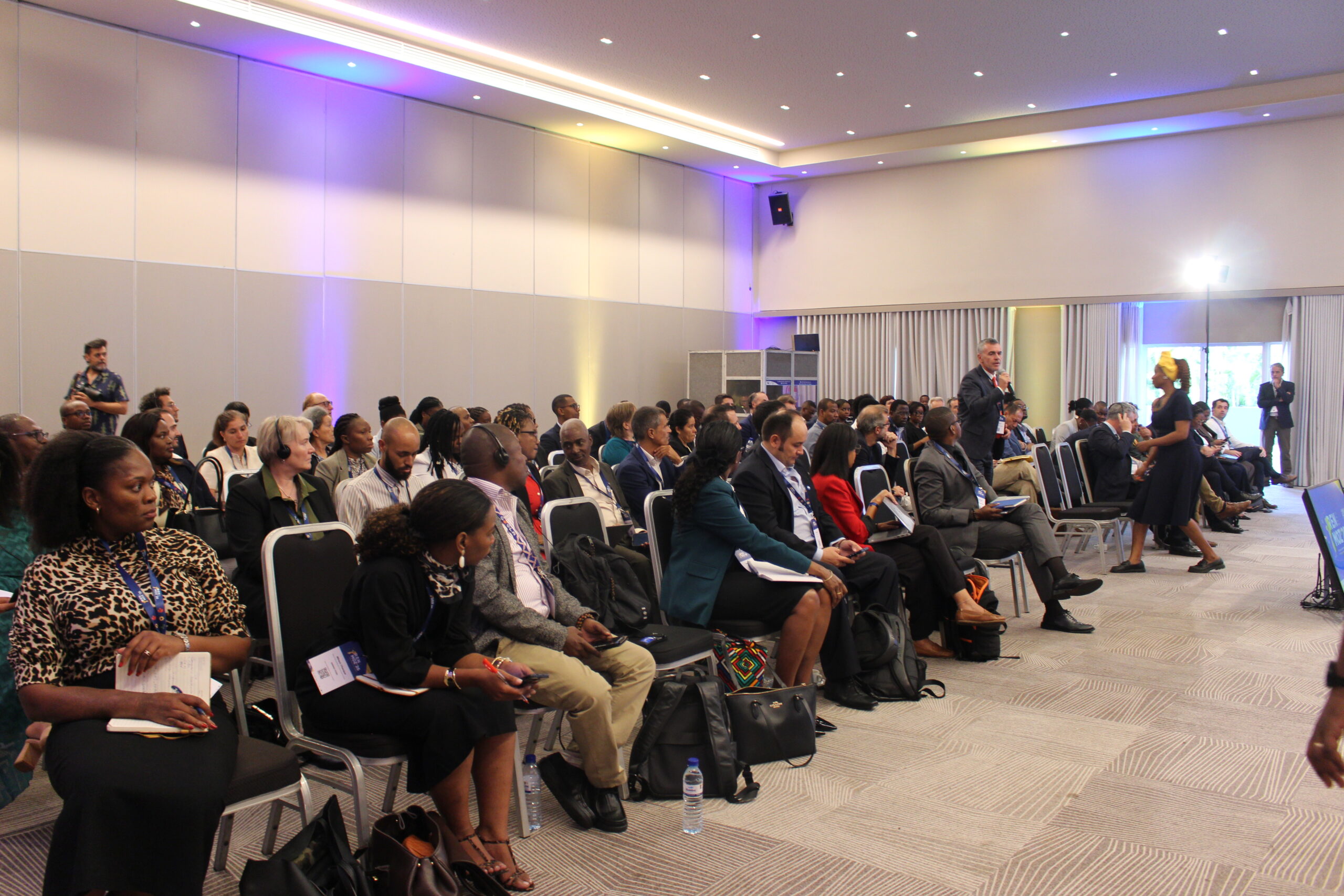
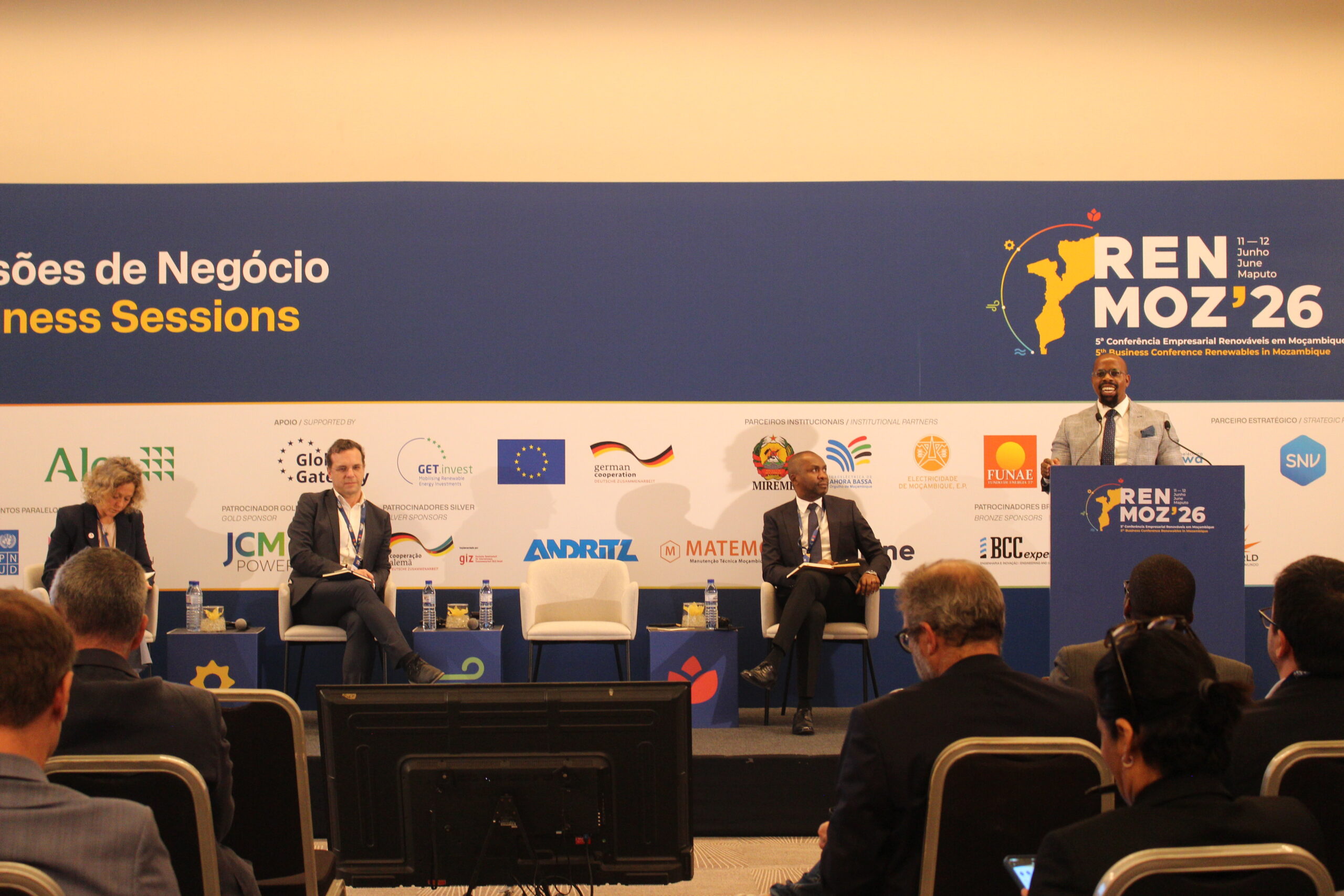
The first session, Shaping the Next Generation of Mini-Grid Investment in Mozambique, was co-organised by GET.transform in partnership with the Ministry of Mineral Resources and Energy (MIREME), the Energy Regulatory Authority (ARENE), Fundo de Energia (FUNAE), the Green Climate Fund (GCF), the European Union, the Swedish International Development Cooperation Agency (SIDA), the Belgian Agency for International Cooperation (ENABEL), and SNV. The session brought together approximately 60 participants, including representatives from public institutions, developers, investors and financing partners, offering a comprehensive overview of Mozambique’s emerging mini-grid investment pathway. Discussions covered site selection methodologies, energy demand assessments, productive use potential, and funding opportunities across the provinces of Tete, Zambezia, and Niassa, as well as the structure of the upcoming tender process under Decree 93/2021. Mozambique is preparing to launch a tender for the development of solar photovoltaic (PV) mini-grids with battery energy storage systems (BESS) in the provinces of Tete, Zambézia and Niassa. According to the indicative timeline, the launch of the tender pre-qualification phase is expected to begin in the third quarter of 2026.
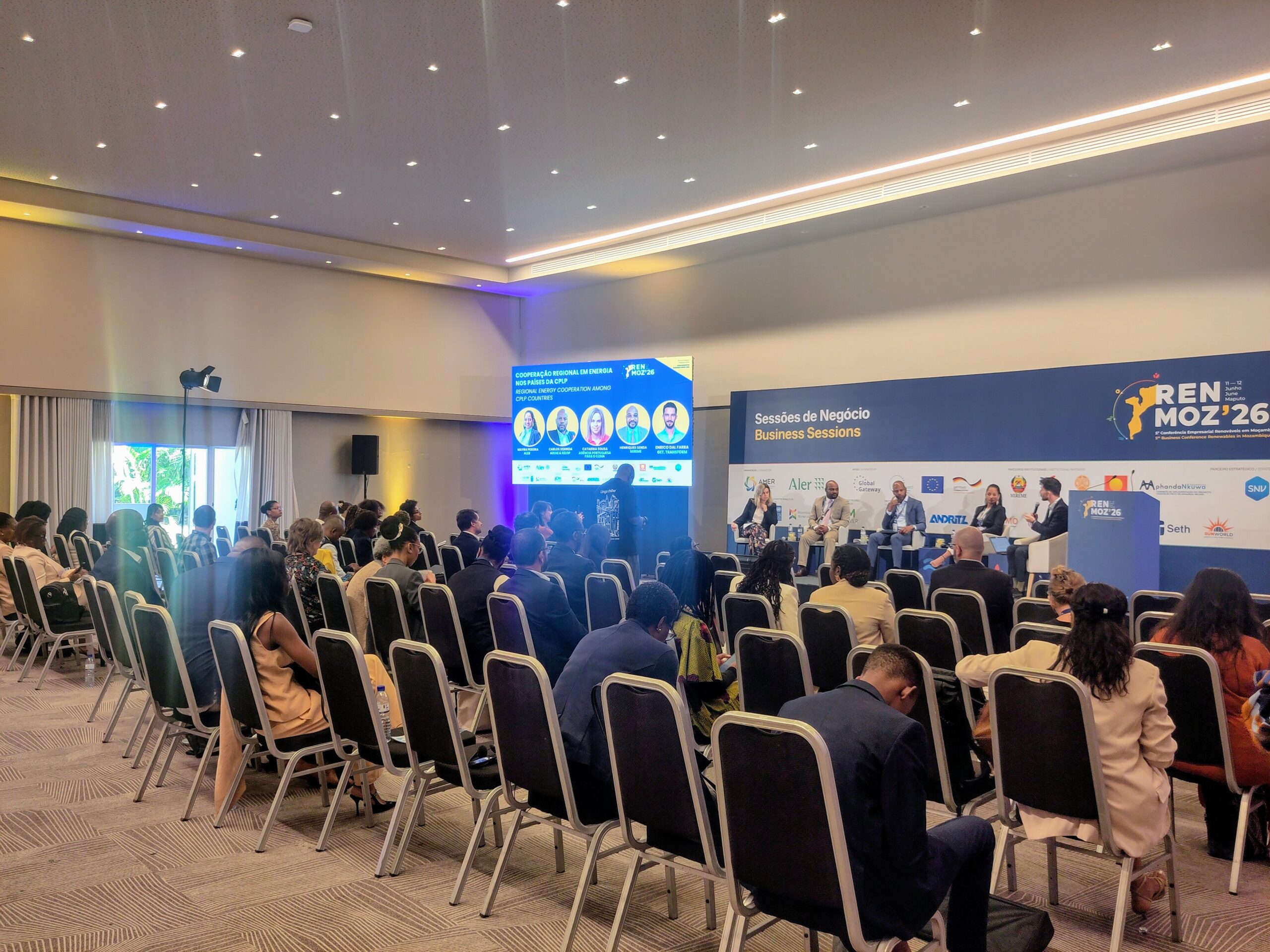
The second session, Regional Energy Cooperation Among CPLP Countries, was conceptualised and moderated by GET.transform and convened MIREME, ARENE, RELOP, the Portuguese Environment Agency(APA), and Associação Lusófona de Energias Renováveis (ALER). The panel explored how Portuguese-speaking communities can exchange knowledge, mobilise finance, and avoid duplication of efforts in their respective energy transitions, while reinforcing Mozambique’s growing role as an emerging reference within the CPLP space. Regional cooperation and knowledge exchange were identified as critical enablers for attracting private sector investment.
With concrete tender timelines on the horizon and a reinvigorated spirit of regional cooperation among CPLP countries, RENMOZ 2026 demonstrated that the conditions for Mozambique’s energy transformation are firmly in place. The momentum generated in Maputo points clearly toward a future where clean energy investment flows faster, partnerships run deeper, and no country has to navigate the energy transition alone.