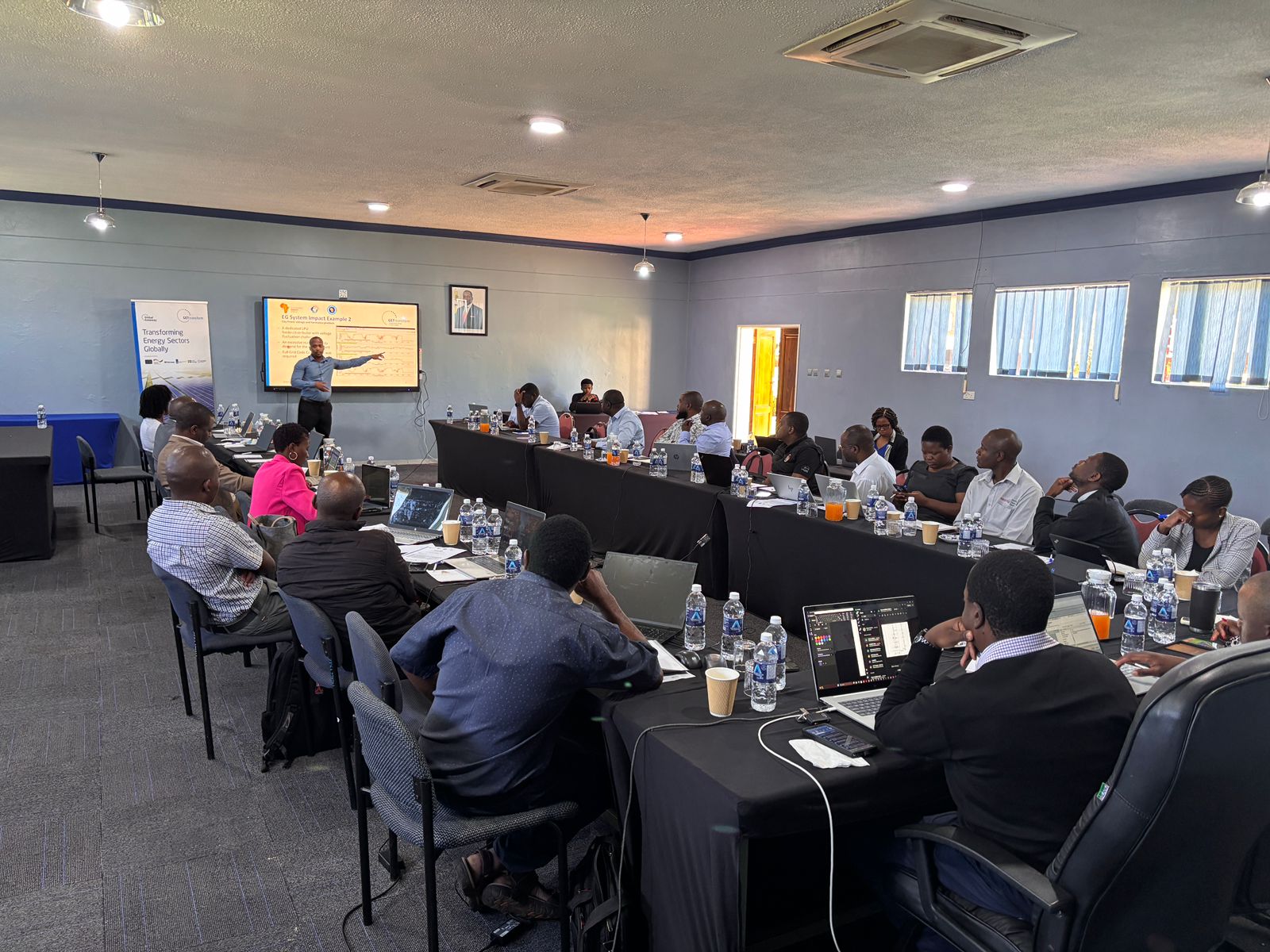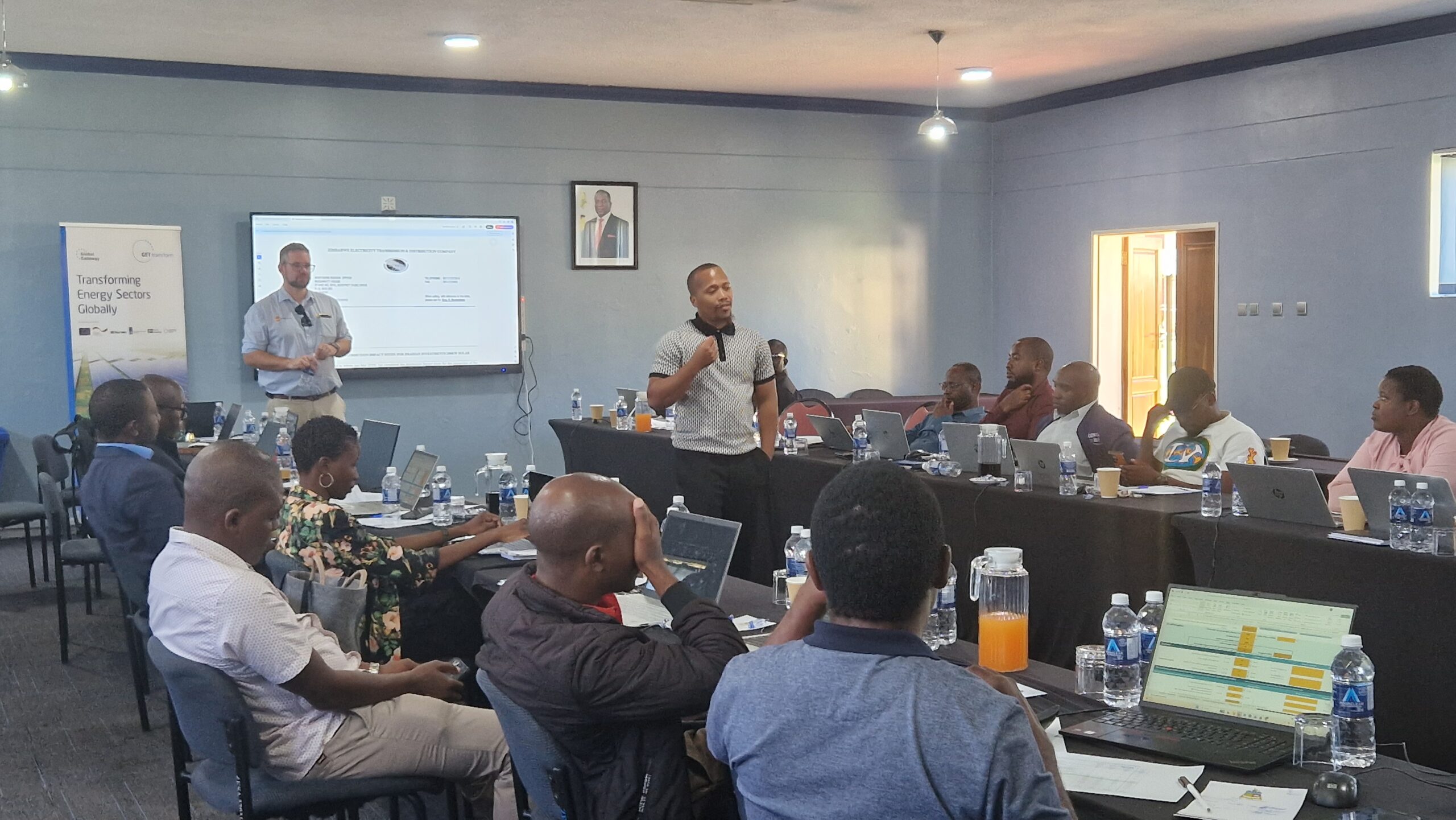

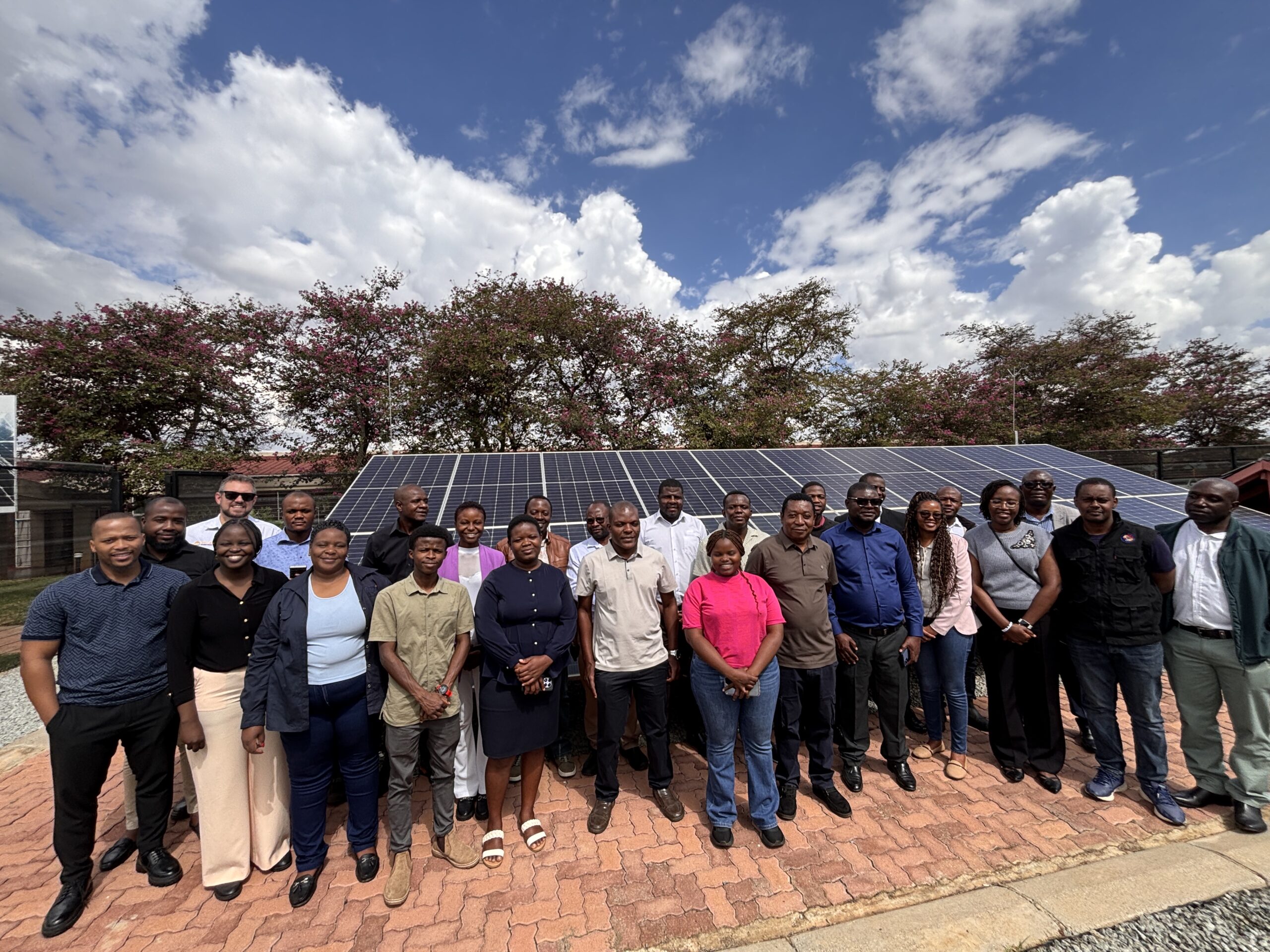
As distributed generation continues to expand across Zimbabwe, the capacity of utilities and regulators to process applications consistently, efficiently, and safely is becoming increasingly essential. Earlier this month, regulators, utility engineers, and energy sector experts convened in Harare for a technical assistance workshop aimed at strengthening Zimbabwe’s readiness for a more decentralised electricity system.
Held at the ZESA Training Centre, the workshop marked another instalment of the Distributed Generation (DG) Policy Catalyst Window under GET.transform. Thirty participants from the Zimbabwe Electricity Transmission and Distribution Company (ZETDC), the Zimbabwe Energy Regulatory Authority (ZERA), the Ministry of Power and Energy Development, and the Scientific and Industrial Research and Development Centre (SIRDC) engaged in technical sessions covering Zimbabwe’s DG application processes, simplified connection criteria, application assessments, and commissioning procedures. The training was facilitated by Sustainable Energy Africa, while GET.transform providing broader technical assistance on renewable energy tendering, mini-grid regulation, distributed generation integration, and grid code development amongst other activities.
A key focus was improving the application processing times, with ZETDC reporting reduction from 30 working days to as little as seven days in some cases. Regulatory requirements were also reviewed, including the obligation for systems above 100 kW to obtain a ZERA generation licence, alongside grid impact and environmental assessments under Section 40 of the Electricity Act.
Technical sessions examined the simplified connection criteria under consideration, including a 4.6 kVA export limit for single-phase inverters, a 5 MW cap on distributed generation injection into distribution networks, and five core assessment areas: voltage rise, equipment overloading, medium-voltage feeder impacts, power factor, and harmonics. Broader discussions also addressed compliance with Distributed Generation Interconnection Specifications and evolving grid code requirements for voltage and frequency ride-through, with GET.transform supporting updates to Zimbabwe’s Grid Code Suite.
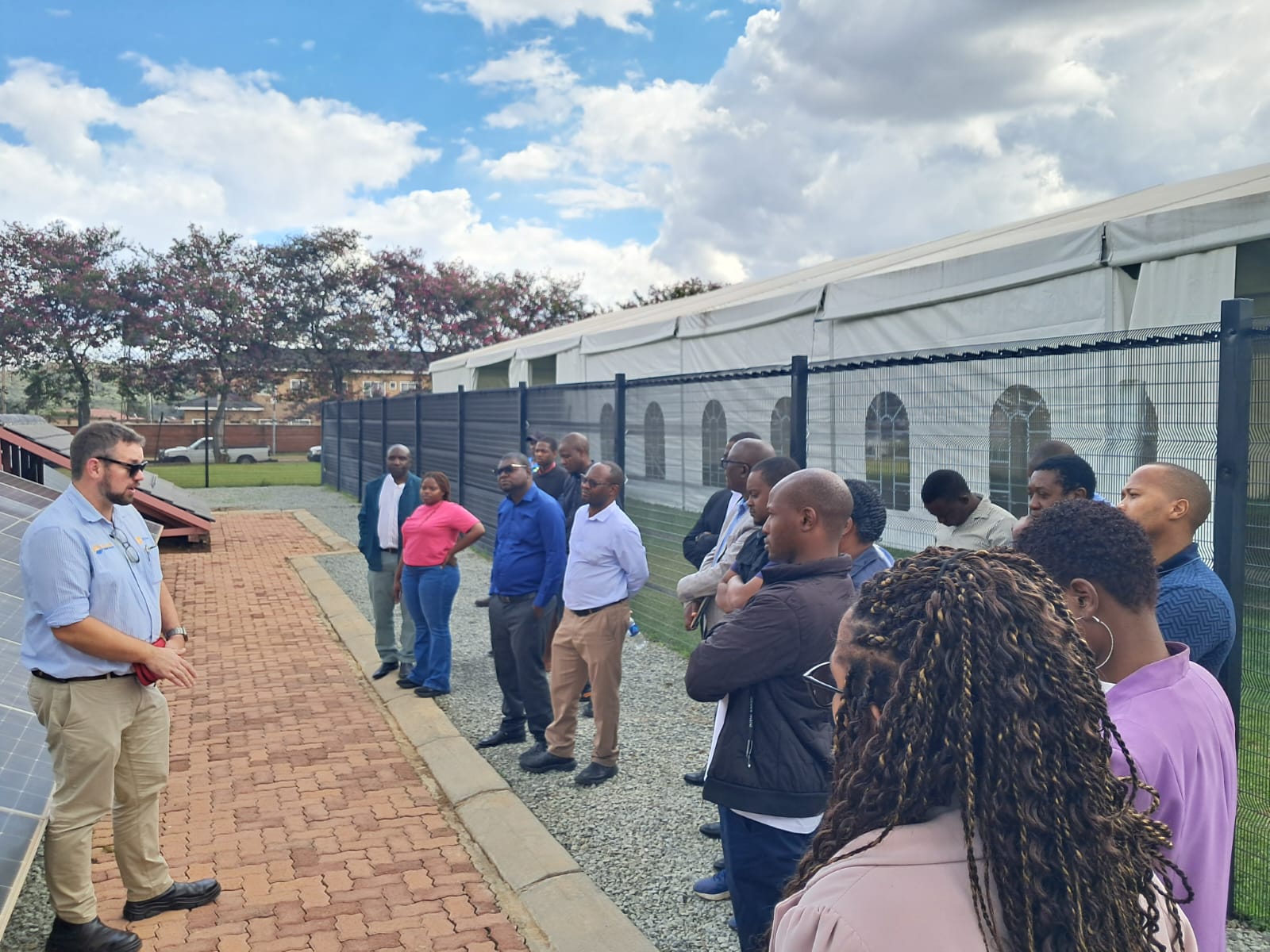
Participants completed hands-on DG assessment exercises and conducted commissioning site visits, identifying challenges including phase imbalances, high charging currents, inappropriate earthing, and missing test certificates.
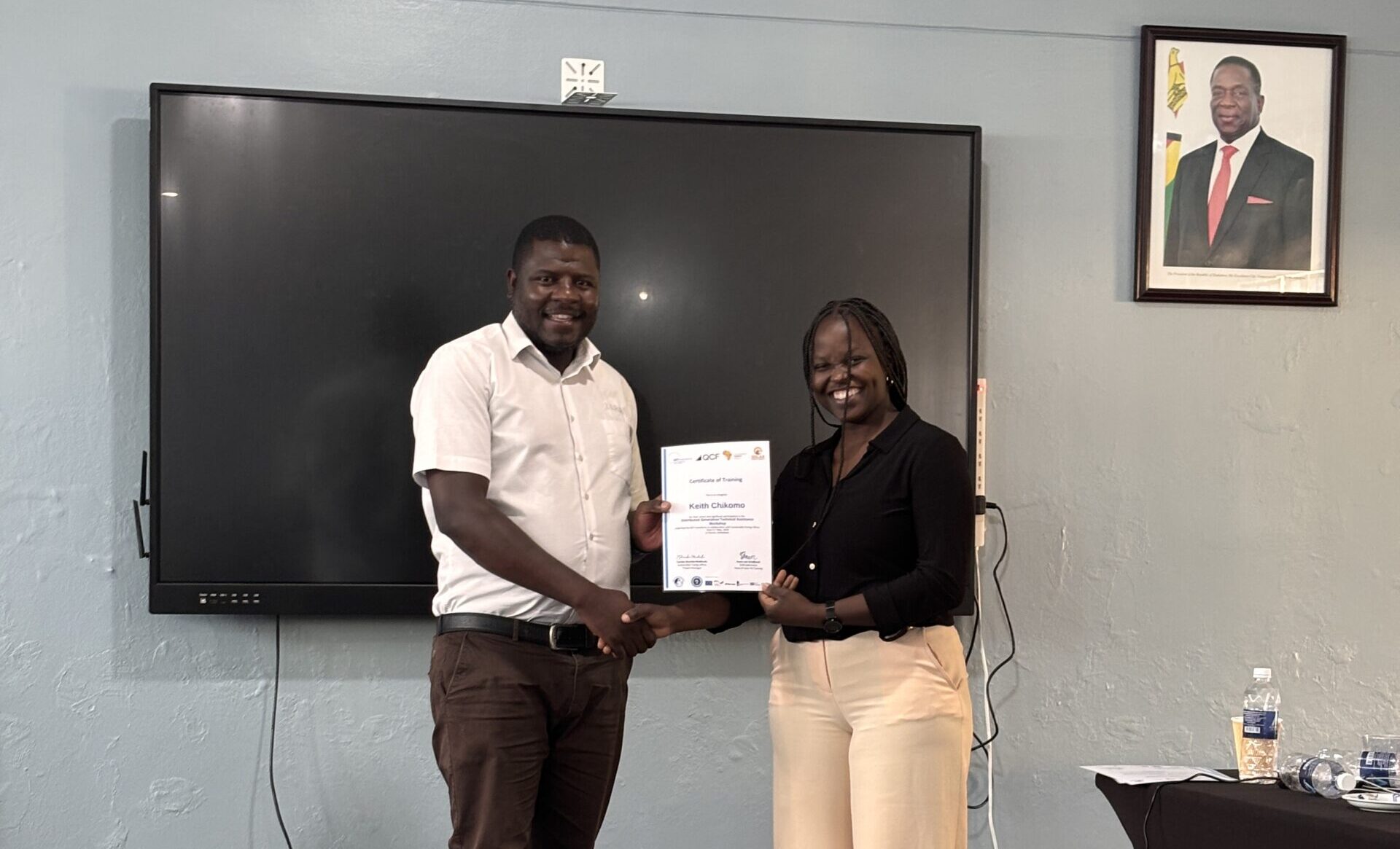
The workshop concluded with recommendations to improve coordination, adopt interim technical standards, simplify approvals for systems below 500 kW, and develop a central database for approved embedded generation systems. Certificates were awarded to participants who completed the programme, closing the DG Policy Catalyst engagement supported by GET.transform.