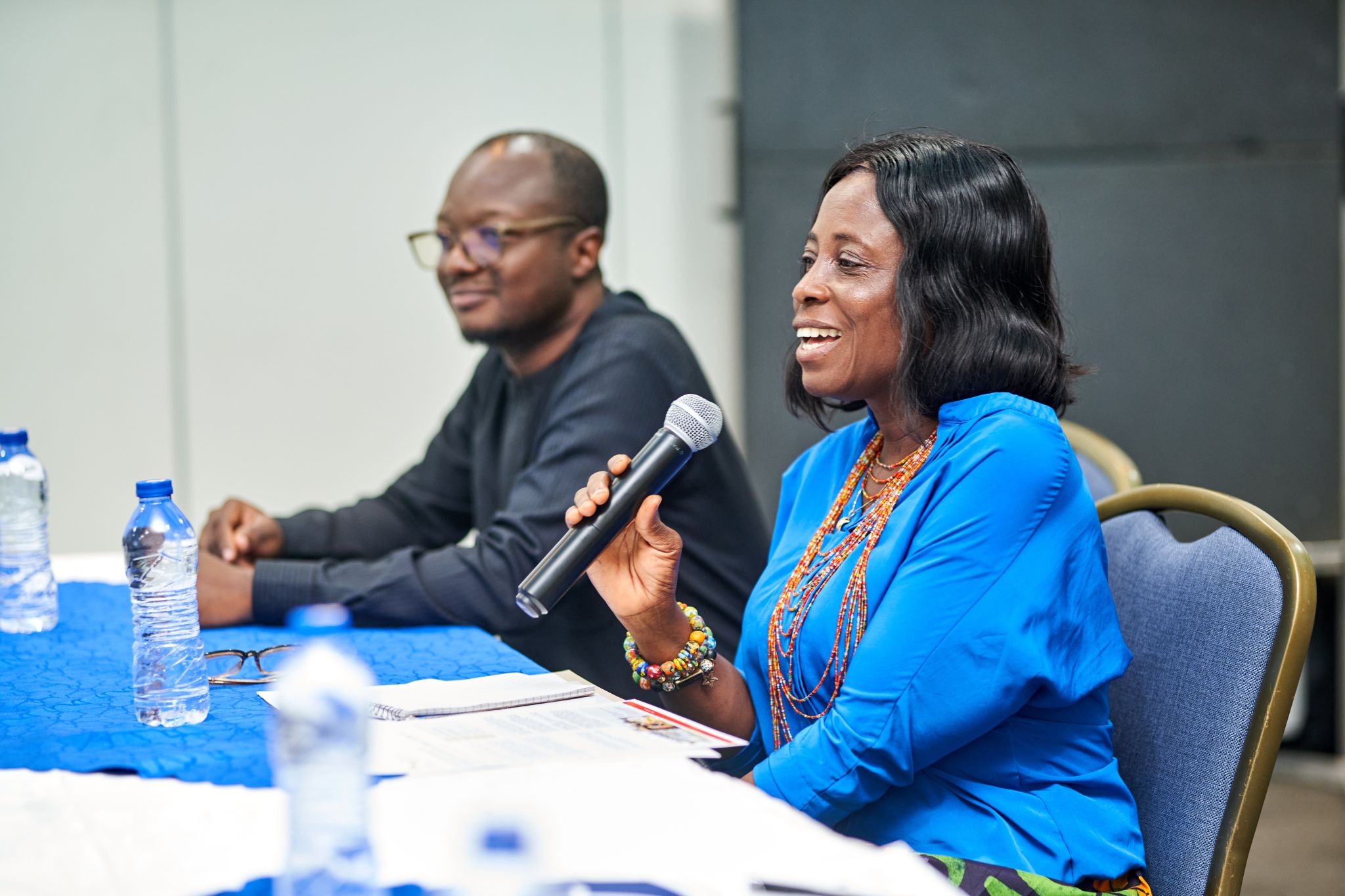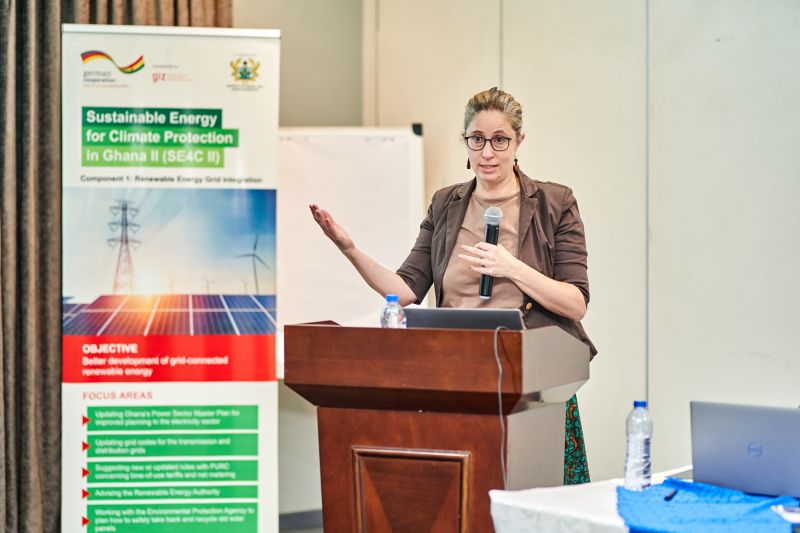
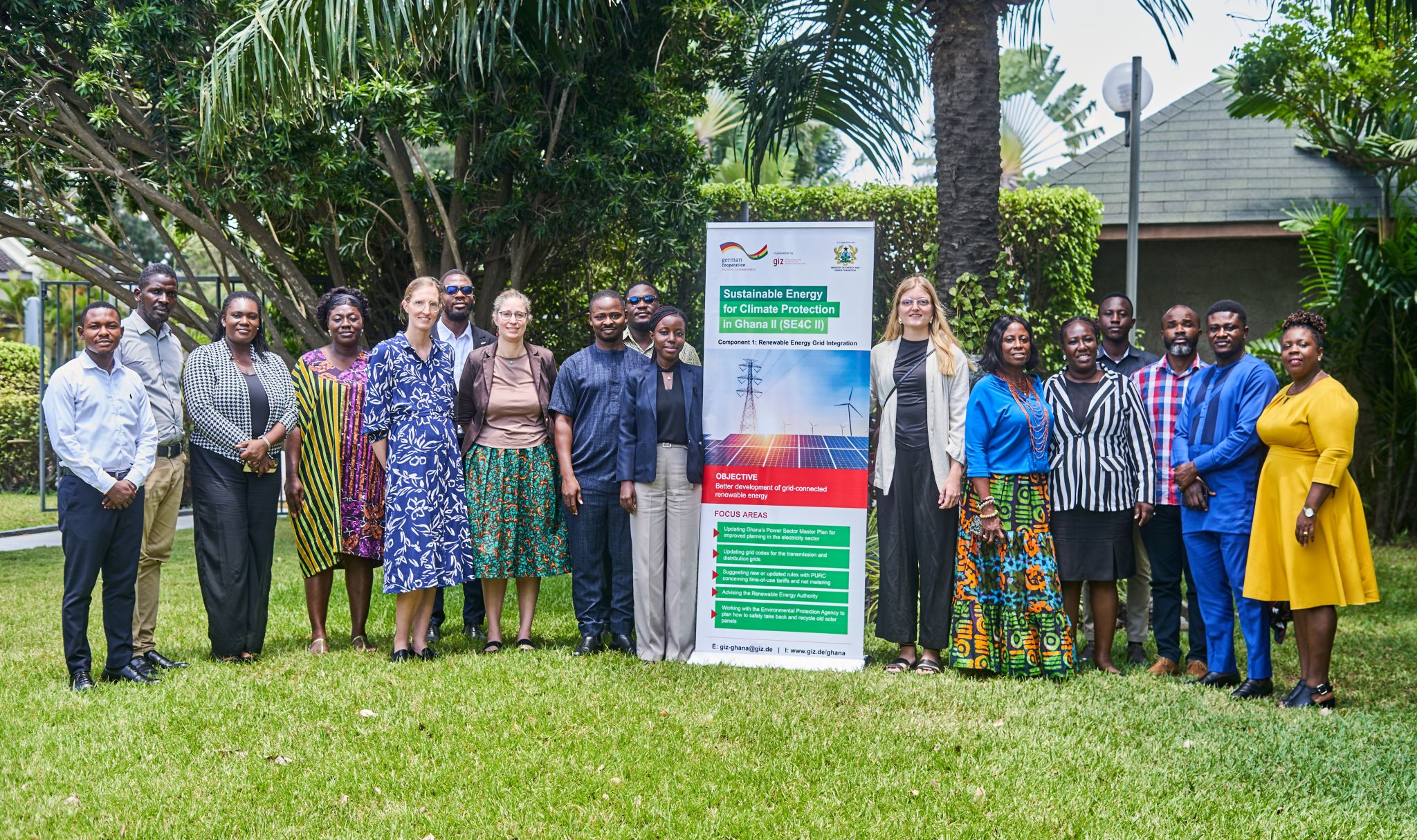
In March 2026, key stakeholders from Ghana’s energy sector convened in Accra for a Capacity Development Support Workshop on Long-Term Energy Planning. The event was conducted under the Sustainable Energy for Climate Protection in Ghana II (SE4C II) project, an initiative of the Federal Ministry for Economic Cooperation and Development (BMZ), implemented by Deutsche Gesellschaft für Internationale Zusammenarbeit (GIZ) GmbH in cooperation with the Ministry of Energy and Green Transition. The two-day workshop brought together representatives from the Ministry of Energy and Green Transition, Energy Commission, the Public Utilities Regulatory Commission , and the Power Planning Technical Committee to advance the ongoing update of Ghana’s Integrated Power Sector Master Plan (IPSMP), which is currently supported by SE4CII.
A sustainable energy future requires robust planning frameworks, strong institutional coordination, and evidence-based decision-making. Delivered with technical support through a GET.transform Leveraged Partnership, the workshop focused on strengthening Ghana’s national capacity to design a resilient, least-cost, and inclusive power system.
The first day engaged policy makers and regulators in aligning the country’s long-term vision for the power sector. Sessions covered the fundamental principles of energy planning, governance structures, and international best practices. Participants explored scenario construction, planning challenges, and the role of data and assumptions in shaping future energy pathways. These discussions laid the groundwork for a shared understanding of priorities and planning objectives guiding the IPSMP update.
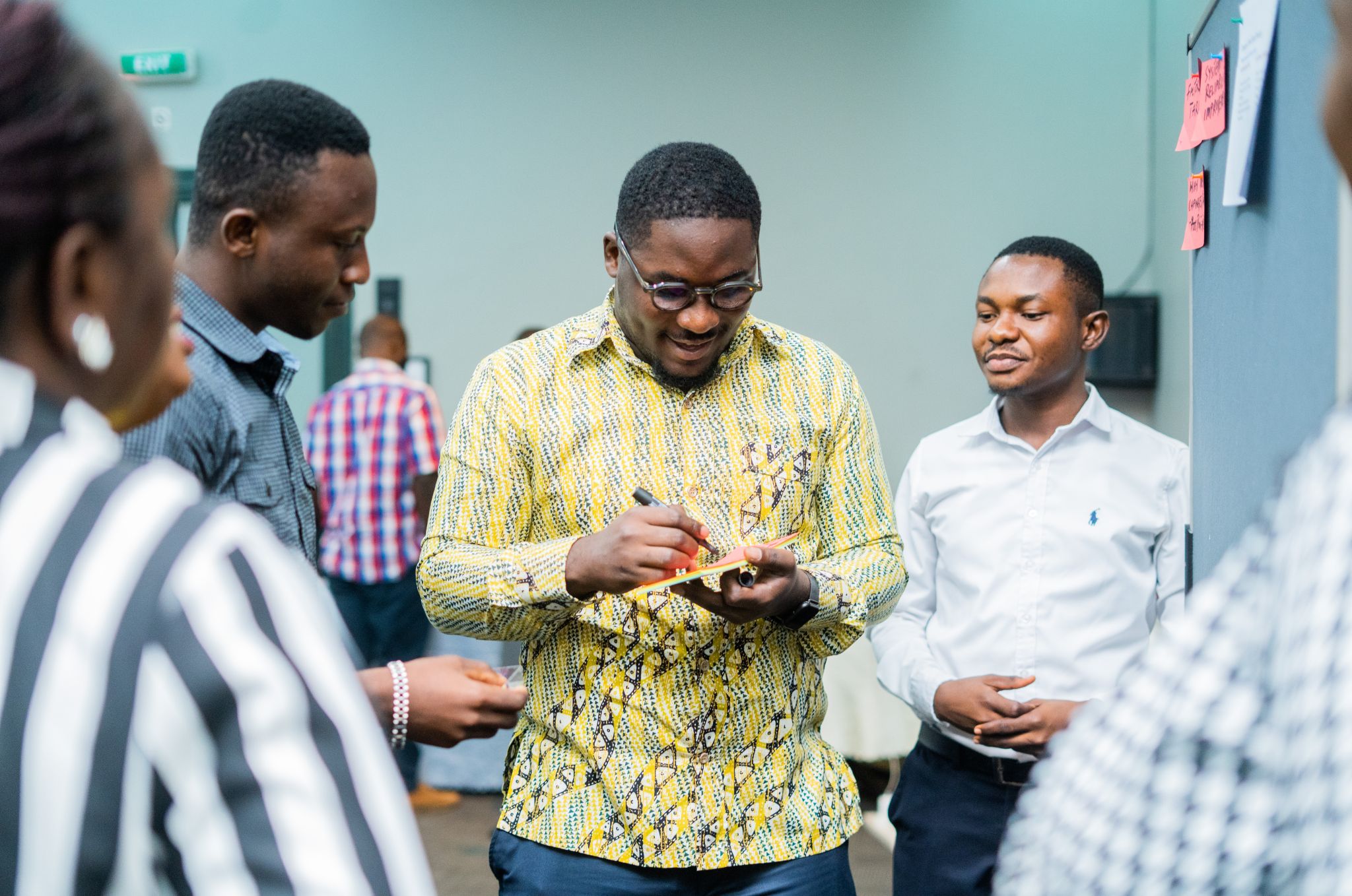
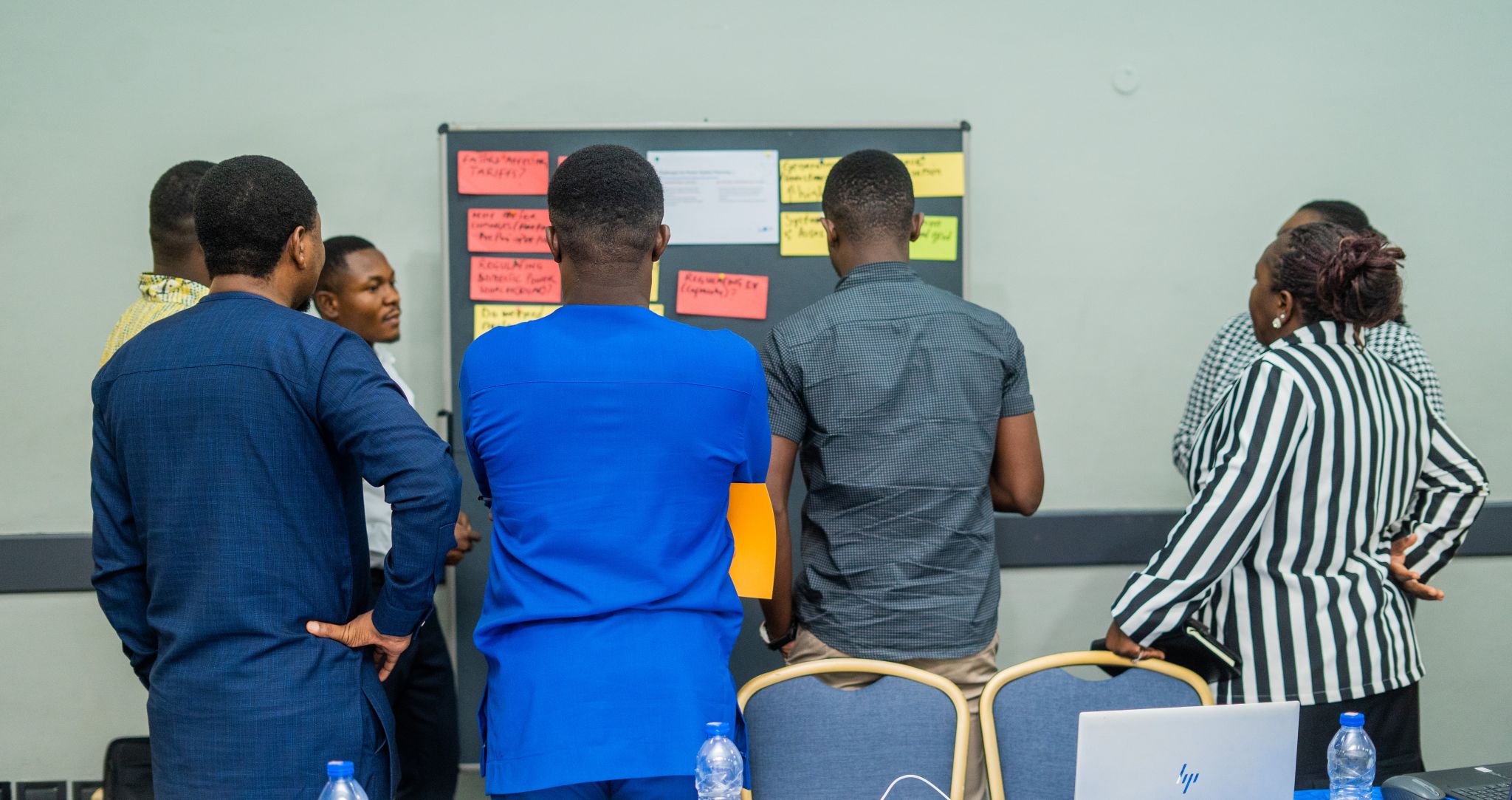
On the second day, members of the Power Planning Technical Committee engaged in deeper technical discussions, translating policy priorities into actionable planning approaches. The sessions focused on data frameworks, scenario development, and modelling pathways required to operationalise Ghana’s energy goals. Additional emphasis was placed on communication strategies to ensure that technical outputs effectively inform policy processes and stakeholder engagement.
The sessions were facilitated by Alessia De Vita from GET.transform and leveraged the programme’s experience in supporting other national and regional Master Plan updates on the continent. Each day brought together approximately 15 participants, allowing for focused engagement and in-depth technical knowledge exchange. This hands-on approach strengthened participants’ ability to connect theoretical planning concepts with real-world application.
The workshop resulted in outcomes that will directly inform the IPSMP update process, including a shared vision and governance framework, a structured approach to scenario development and data requirements, and clearly defined next steps for modelling, stakeholder engagement, and communication.