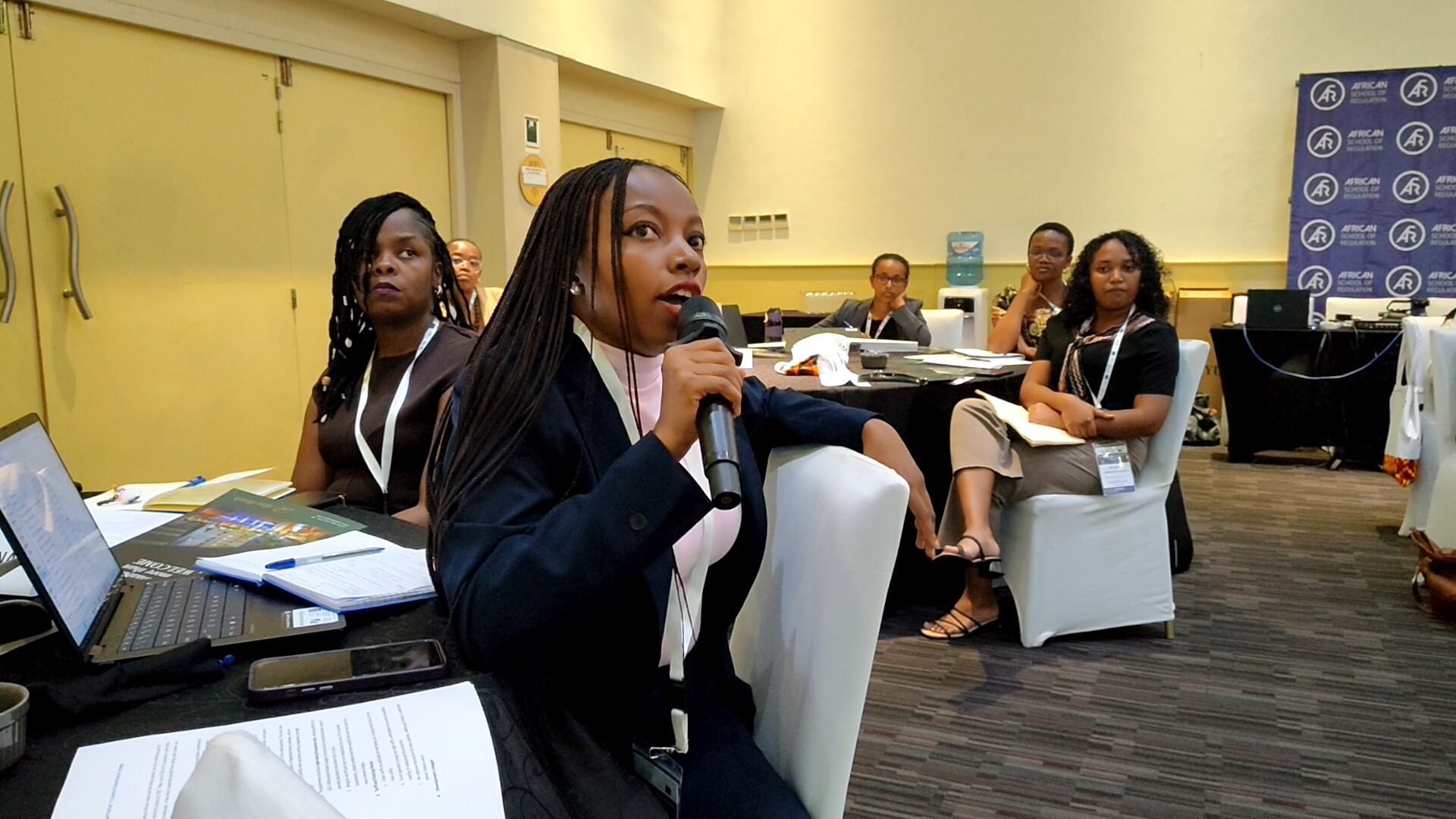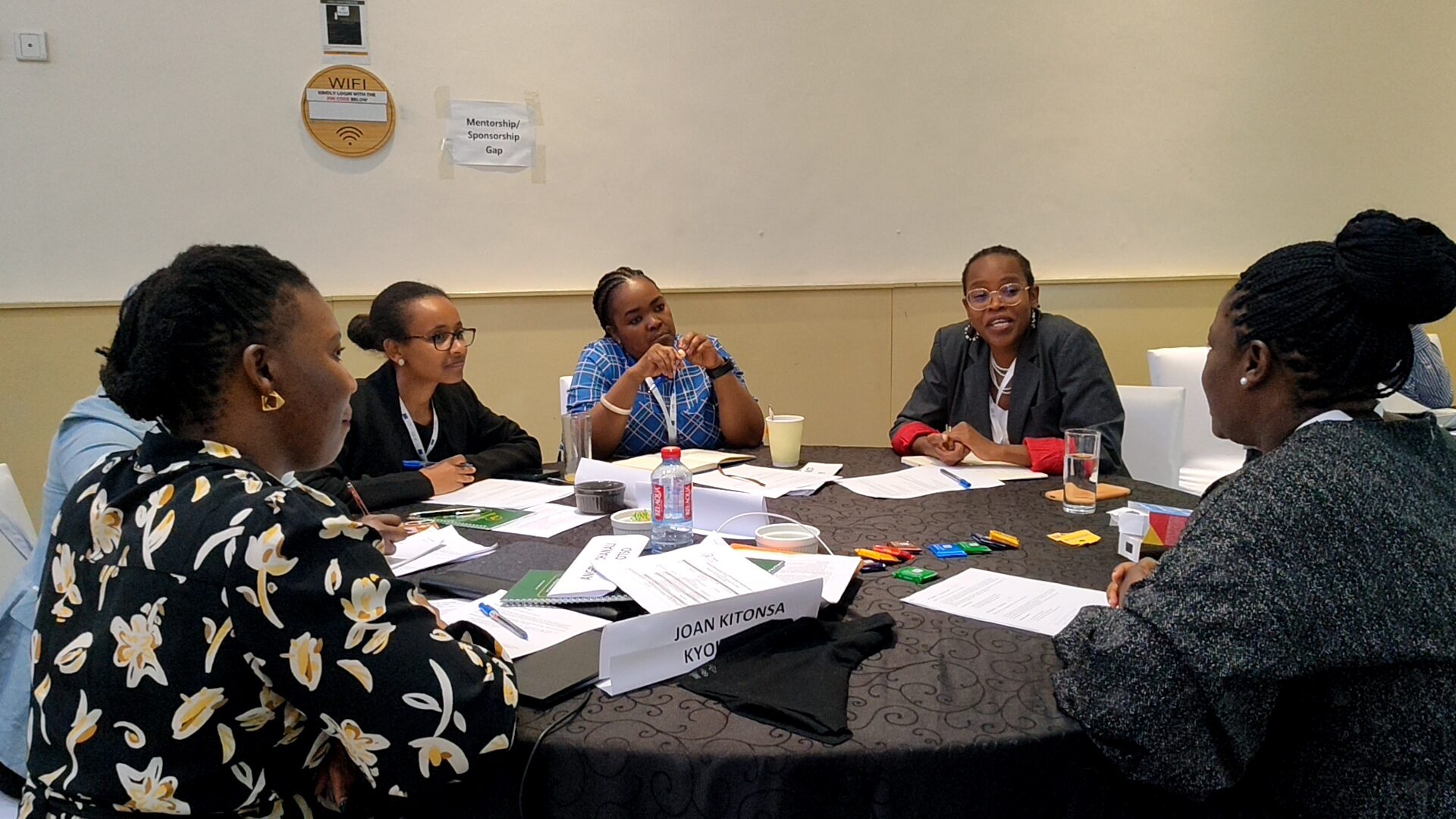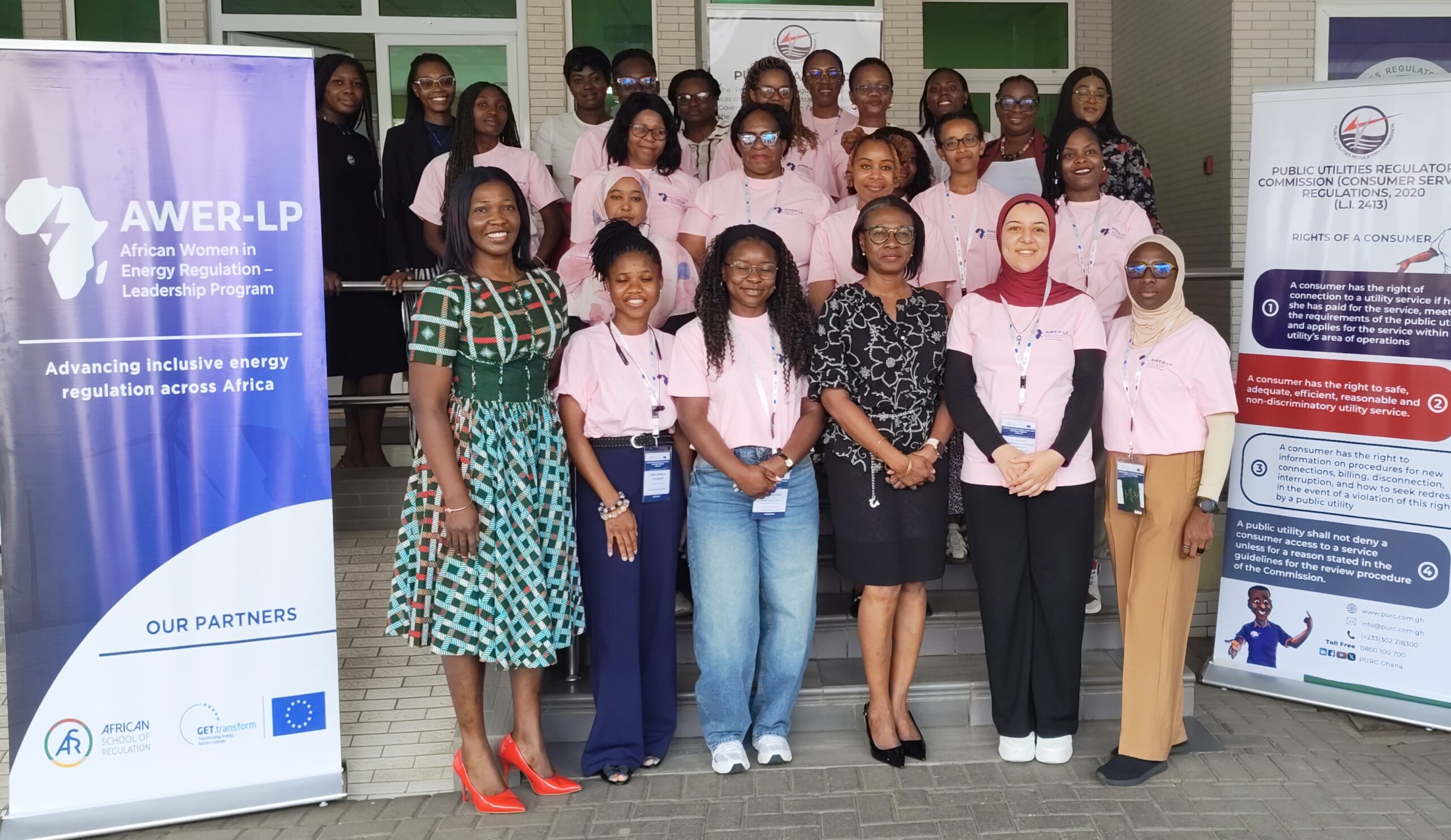


End of November, the vibrant city of Accra became the epicenter of transformation as 30 women professionals from across Africa gathered for the in-person week of the African Women in Energy Regulation – Leadership Program (AWER-LP) jointly hosted by the African School of Regulation and GET.transform. The trailblazing women had been selected from more than 1,000 applications for the program and came together with one mission: to strengthen their leadership and regulatory expertise while forging lifelong partnerships.
The program directly addresses the growing need for inclusive leadership to drive fair and sustainable energy transitions. The week began with a powerful message from Ene Macharm, Head of Partnerships at GET.transform, who reminded participants that: “AWER-LP is more than a training program; it is a deliberate and concerted response to the persistent challenge of underrepresentation among women in Africa’s energy workforce. The 2025 IRENA report, Renewable Energy: A Gender Perspective, highlighted that global female participation has stalled at 32%, with even lower rates in technical and leadership roles. We believe Africa’s energy future is only viable when both women and men have equal opportunities to play a central role in driving sustainable energy solutions.” Her bold speech set the tone for a week of learning, collaboration, and empowerment.
Welcoming remarks from Carol Ofafa, Course Director at the African School of Regulation, reinforced the program’s vision: “This program is designed to equip women with the tools and confidence to lead regulatory transformation across the continent. Women are needed in building the energy systems that Africa needs: systems that are reliable, sustainable, inclusive, and capable of powering growth for the next generation.”
An ambition that is realised and confirmed through the emerging women energy leaders like Maame Esi Nkrumah Abamfo, a Strategy and Legal Analyst from Ghana, who sums up her experience:
Over the past two weeks, first online and now through this in-person intensive training, my understanding of the energy sector has grown immensely. I have gained deeper insights into transmission, distribution, generation, and the integration of variable renewable energy. These sessions didn’t just build my technical capacity; they expanded the way I think about systems, policy, and the future of Africa’s energy landscape.”
The training truly had a continental reach. The participating women represented 18 countries including Cameroon, Democratic Republic of Congo, Madagascar, Tanzania, Ethiopia, Uganda, Kenya, Sudan, South Africa, Egypt, Zimbabwe, Namibia, Lesotho, Eswatini, Mozambique, Ghana, Nigeria, and The Gambia.
The technical deep dives into Integrated Frameworks for Electrification, Energy-as-a-Service and transmission models, or the Utility of the Future were flanked by soft skill sessions on mentorship and sponsorship strategies, challenging workplace biases, overcoming impostor syndrome or building accountability partnerships. It was this unique combination of technical and personal development skills that ensured a holistic learning experience.
The participants benefited from guidance from renowned technical experts like Filagot Tesfaye of On Energy Consult and Trading PLC , Clara Musama of Bawetu Coaching & Consulting Ltd, the ASR’s Prof. Ignacio Pérez-Arriaga but equally from an influential mentoring team comprising Ene Macharm, ASR Board members Ifey Ikeonu and Eunice Potani, alongside Course Director Carol Ofafa and Program Coordinator Zita Ohikere.
A highlight of the week was the site visit to Ghana’s Public Utilities Regulatory Commission (PURC) and Energy Commission, offering participants firsthand exposure to regulatory operations. The experience bridged theory and practice, deepening understanding of the challenges and opportunities in Africa’s energy landscape.
Networking events further fostered friendships and professional bonds. By the end of the week, participants had not only gained knowledge but also built a sisterhood committed to mutual support and shared success.
As Shimaa Ali Ibrahem Khalifa, Energy Technical Advisor from Sudan, put it:
I believe this program is critically relevant for Africa’s energy future because it directly invests in the most powerful asset we have: our people. By empowering women with advanced regulatory expertise and leadership skills, the AWER-LP is building a resilient network of female leaders who can shape equitable and sustainable energy policies.”
Three words echoed throughout the program: Sisterhood. Partnership. Accountability. The connections made during the AWER-LP are not confined to the days in Accra but have built the base for a lasting network of women leaders determined to drive change in their countries and across Africa.
This network will further grow as a second cohort of 30 women will embark on the training in March 2026. They will soon be selected from the standing bulk of original applications.
As the current participants departed, one message strongly resonated: The AWER-LP doesn’t end here. It is the beginning of a lifelong journey of collaboration and leadership.